Bingham Canyon, Utah: The Copper City Its Own Mine Devoured
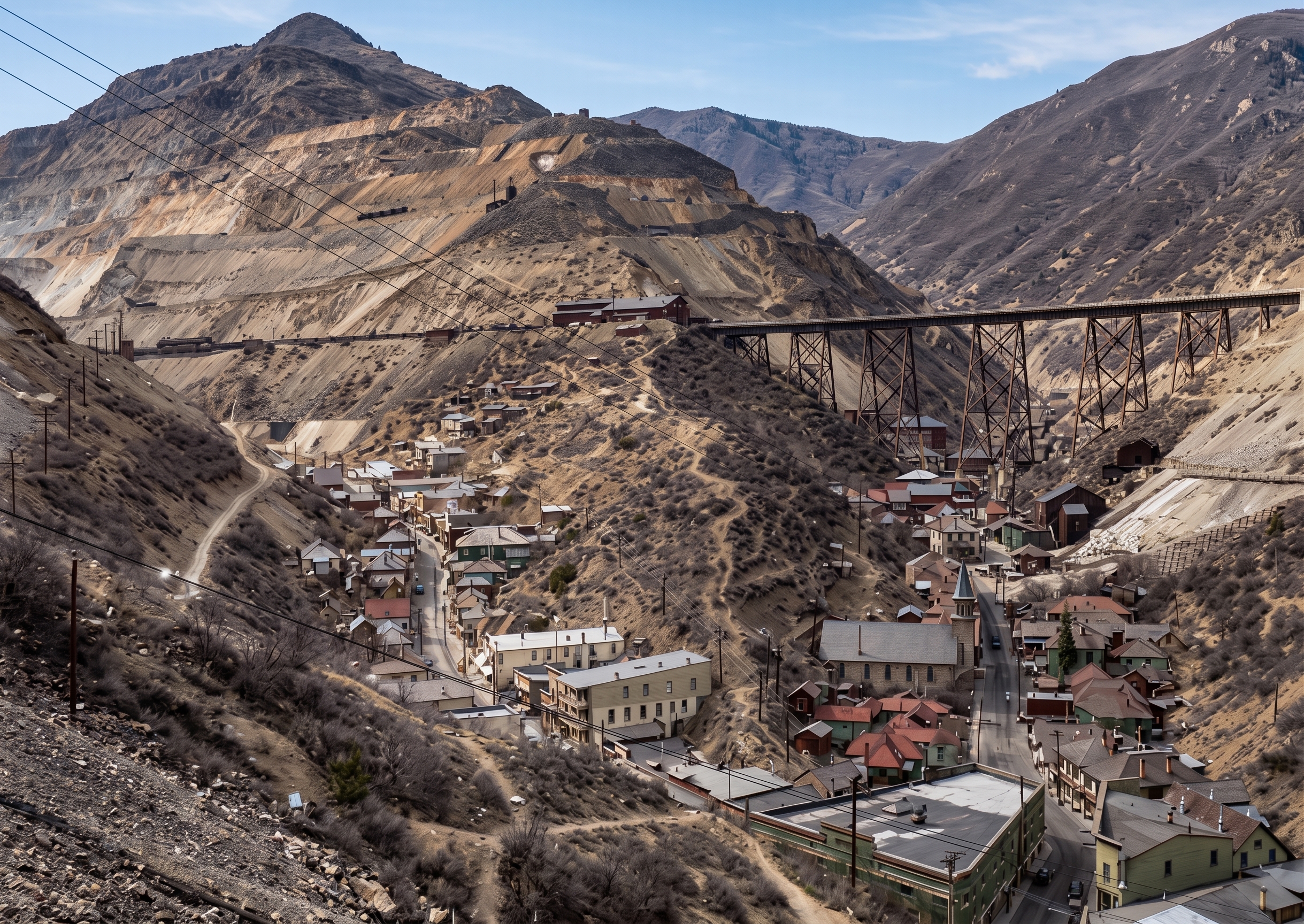
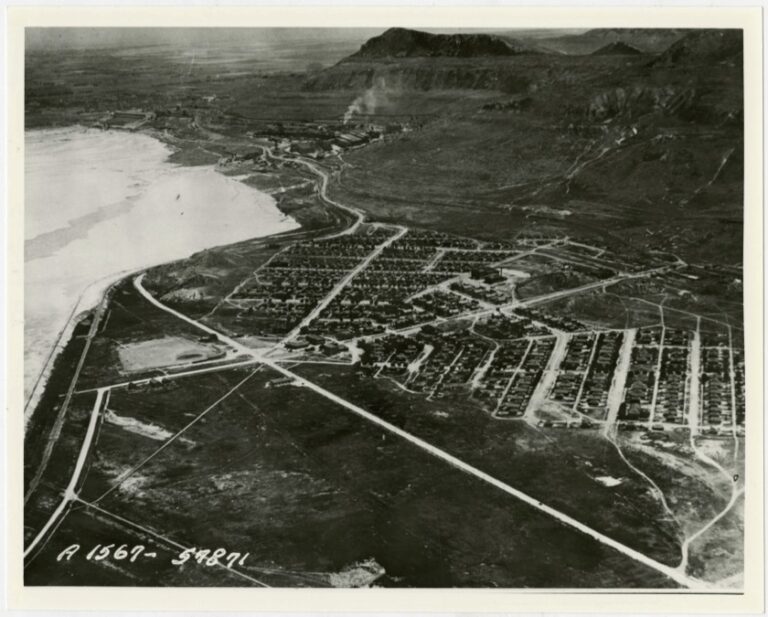
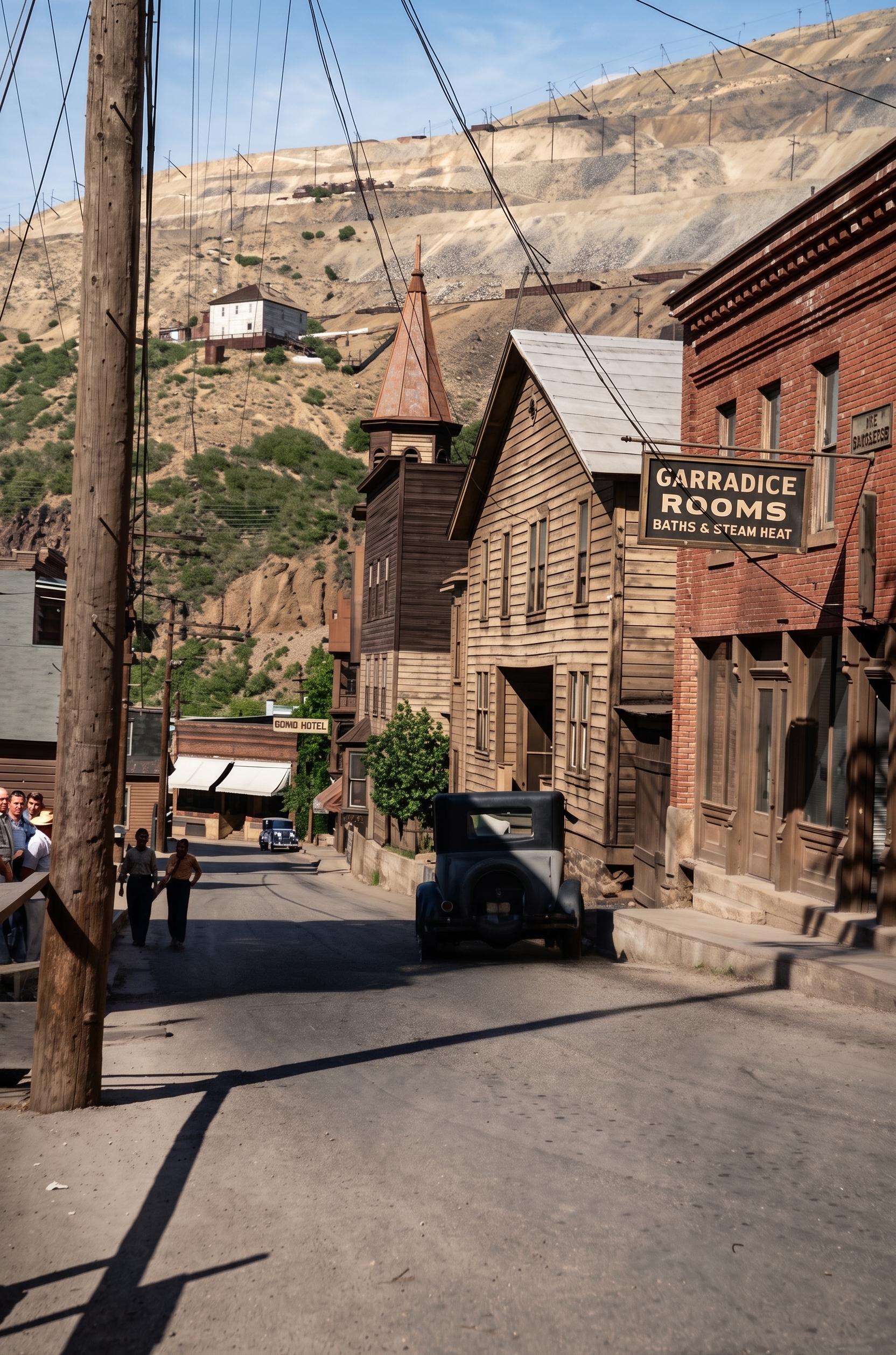
Most ghost towns die when the ore runs out. Bingham Canyon died the opposite way — from a vein of copper so vast and so profitable that the mine dug up the ground the town was standing on. Over roughly a century a remote grazing canyon on the east face of Utah’s Oquirrh Mountains grew into a dense, wildly cosmopolitan city of about 15,000 people, and then was quietly, methodically demolished so the pit could keep expanding into the space where its houses had stood.
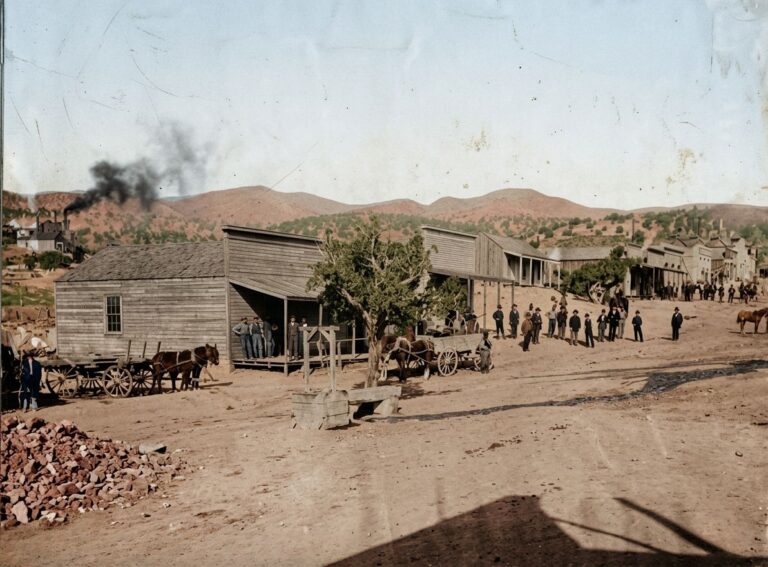
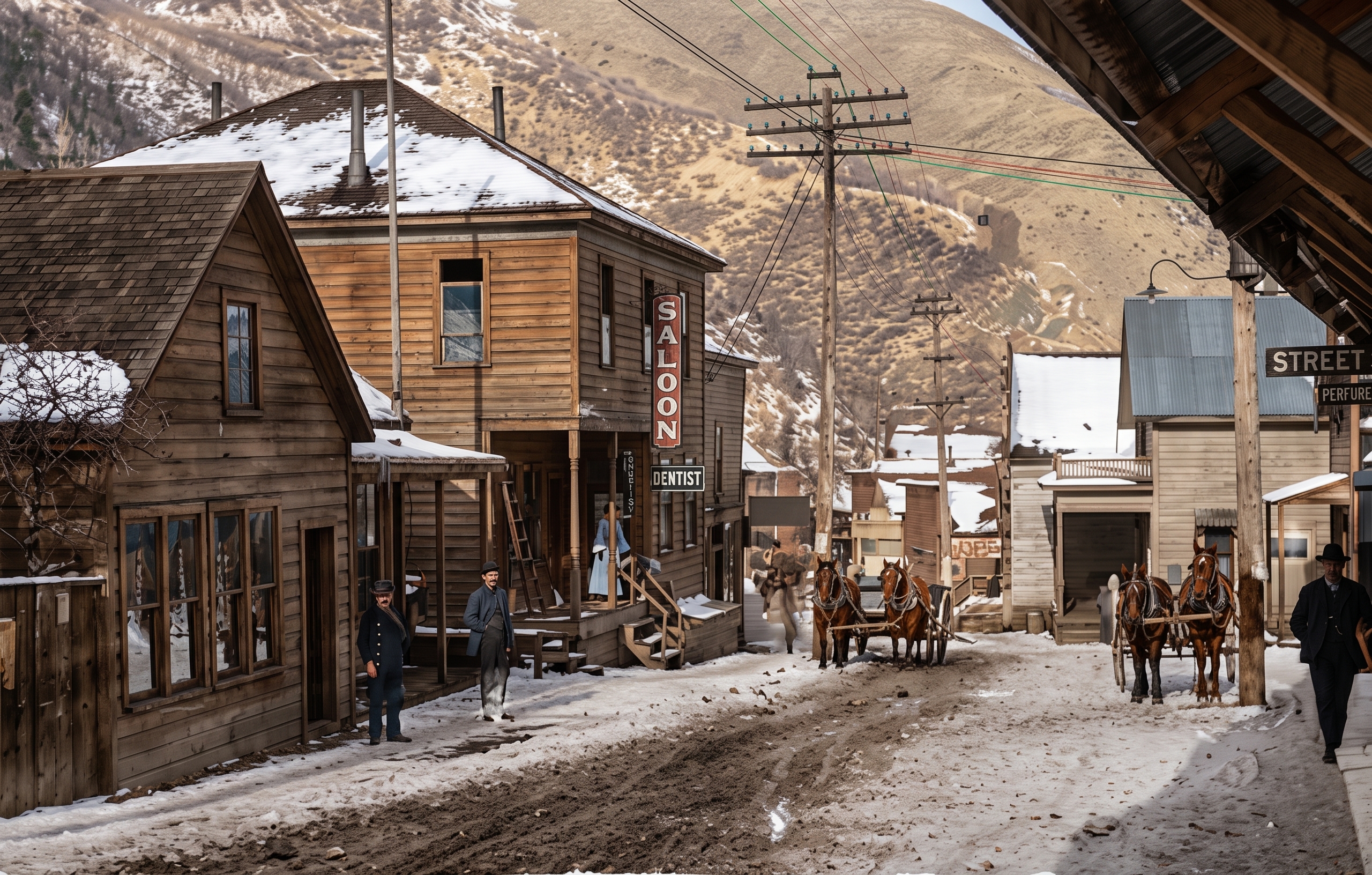
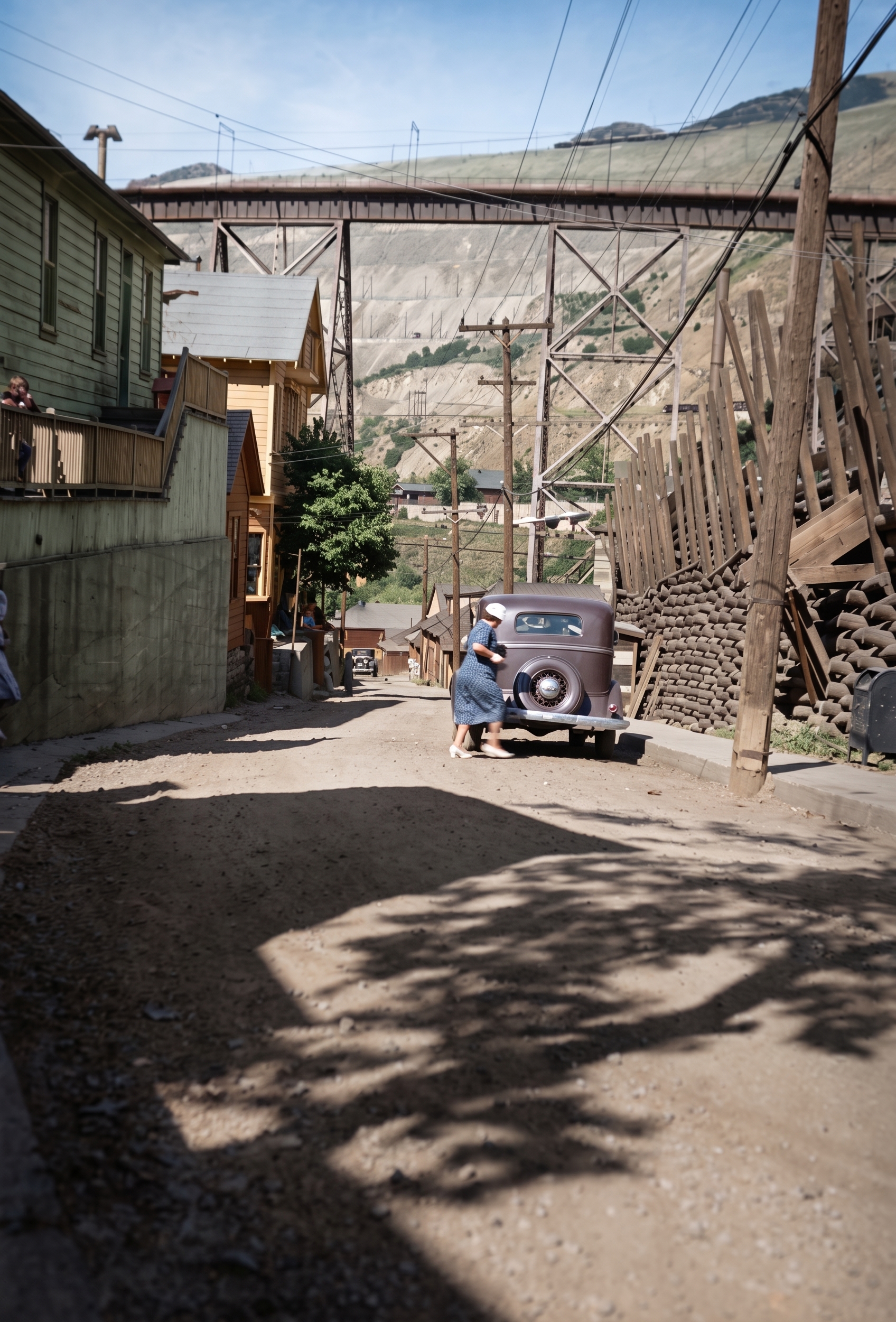
Geography made it strange from the start. Bingham had almost no flat ground, so the town stretched more than seven miles up a single winding canyon road and its side gorges, houses and boardinghouses stacked up the slopes. That same geography left it no room to survive once open-pit mining reached the valley floor. Today the place where Main Street once ran is open air, high above the bottom of the Bingham Canyon Mine.
The Canyon the Church Told Them Not to Mine
In August 1848, Mormon pioneers Sanford and Thomas Bingham entered the canyon under the direction of their father, Erastus, to graze cattle and cut timber — some of which went into the Salt Lake Tabernacle. When the brothers found ore in 1850 and brought samples to Brigham Young, he told them not to pursue it. Church leadership wanted agrarian stability, not a prospecting rush that would flood the valley with outsiders.
That restraint lasted until federal troops arrived. In the autumn of 1863, soldiers stationed at Camp Douglas under Colonel Patrick E. Connor — who wanted precisely the mining boom Young feared — found gold, silver, and lead in the canyon. On December 17, 1863, Connor organized the West Mountain Mining District across the Oquirrhs. Placer gold gave way to underground silver-lead shafts, and in 1873 the Bingham Canyon & Camp Floyd Rail Road broke the canyon’s isolation, tying its mines to regional smelters and world markets.
Jackling’s Gamble: Low-Grade Ore at Colossal Scale
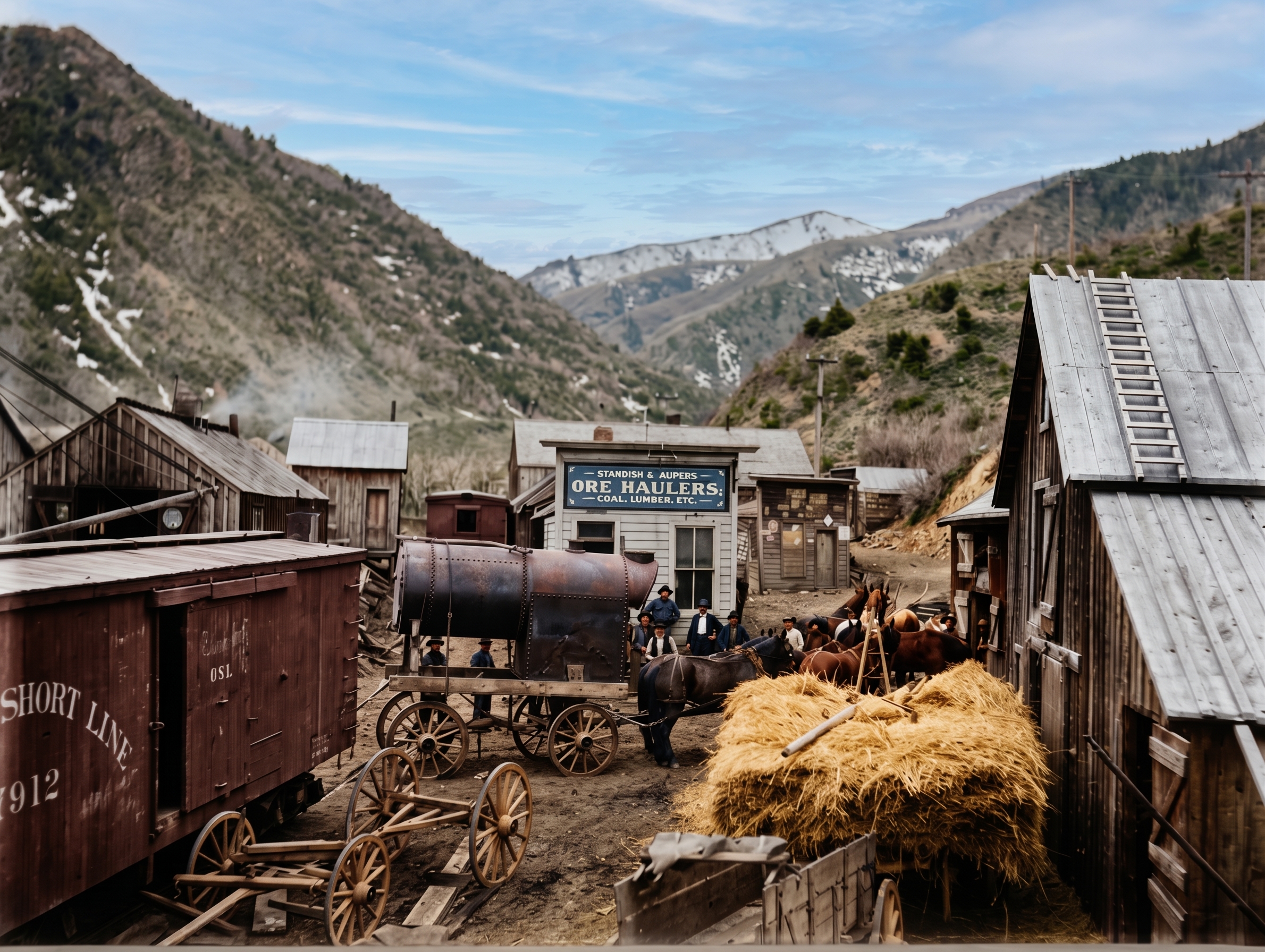
By the 1890s the rich silver veins were thinning, but something far larger lay underneath: enormous bodies of low-grade copper porphyry — ore too poor to mine profitably by any conventional method. In 1893 Enos A. Wall recognized their potential and staked broad claims across the canyon floor. His work drew engineer Daniel C. Jackling, who proposed a radical idea: don’t chase copper down shafts, strip it from the surface with steam shovels, moving thousands of tons a day at low cost per ton.
Jackling and his partners organized the Utah Copper Company in 1903, and the town of Bingham Canyon incorporated on February 29, 1904. When large-scale open-pit mining began in 1906, it turned the canyon into an industrial engine and set the global template for porphyry copper — the model later exported to mines around the world. It also set in motion the town’s eventual erasure: every ton of ore the shovels took widened the pit toward the houses.
Fifteen Thousand People in a Seven-Mile Line
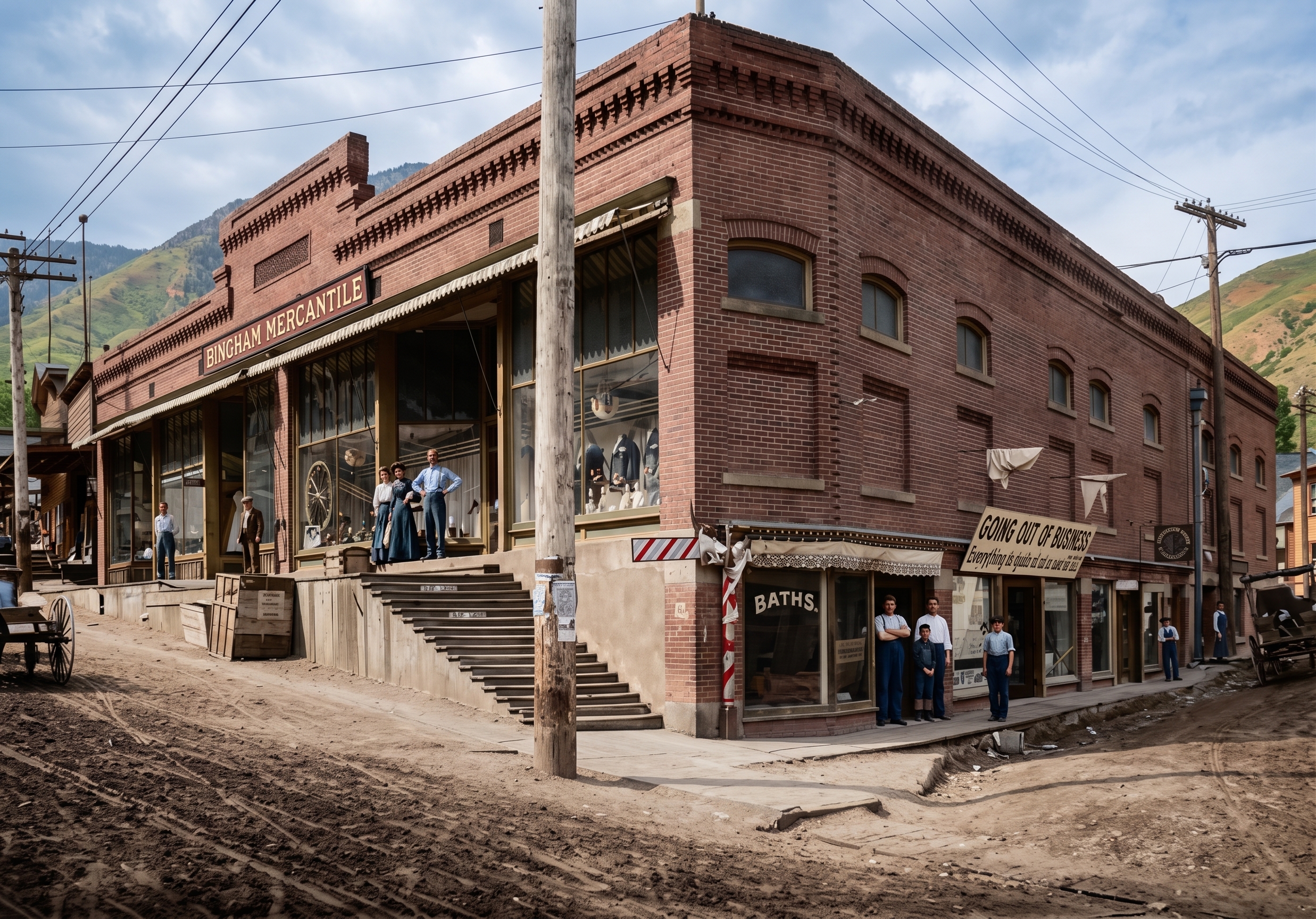
At its peak in the late 1910s and 1920s, Bingham Canyon held around 15,000 people and ranked among the most diverse communities in the Intermountain West. By 1912 roughly 65 percent of residents were foreign-born, representing more than 32 nationalities. Barred by language and prejudice from mixing freely, groups settled into distinct sub-camps threaded along the canyon: Cornish and Irish in the old core, Scandinavians in Carr Fork, and Greeks, Italians, Serbs, and Croatians up in Highland Boy. Upper Main Street became Copperfield, a warren of micro-neighborhoods with period names like Greek Camp, Jap Camp, Terrace Heights, and Dinkeyville.
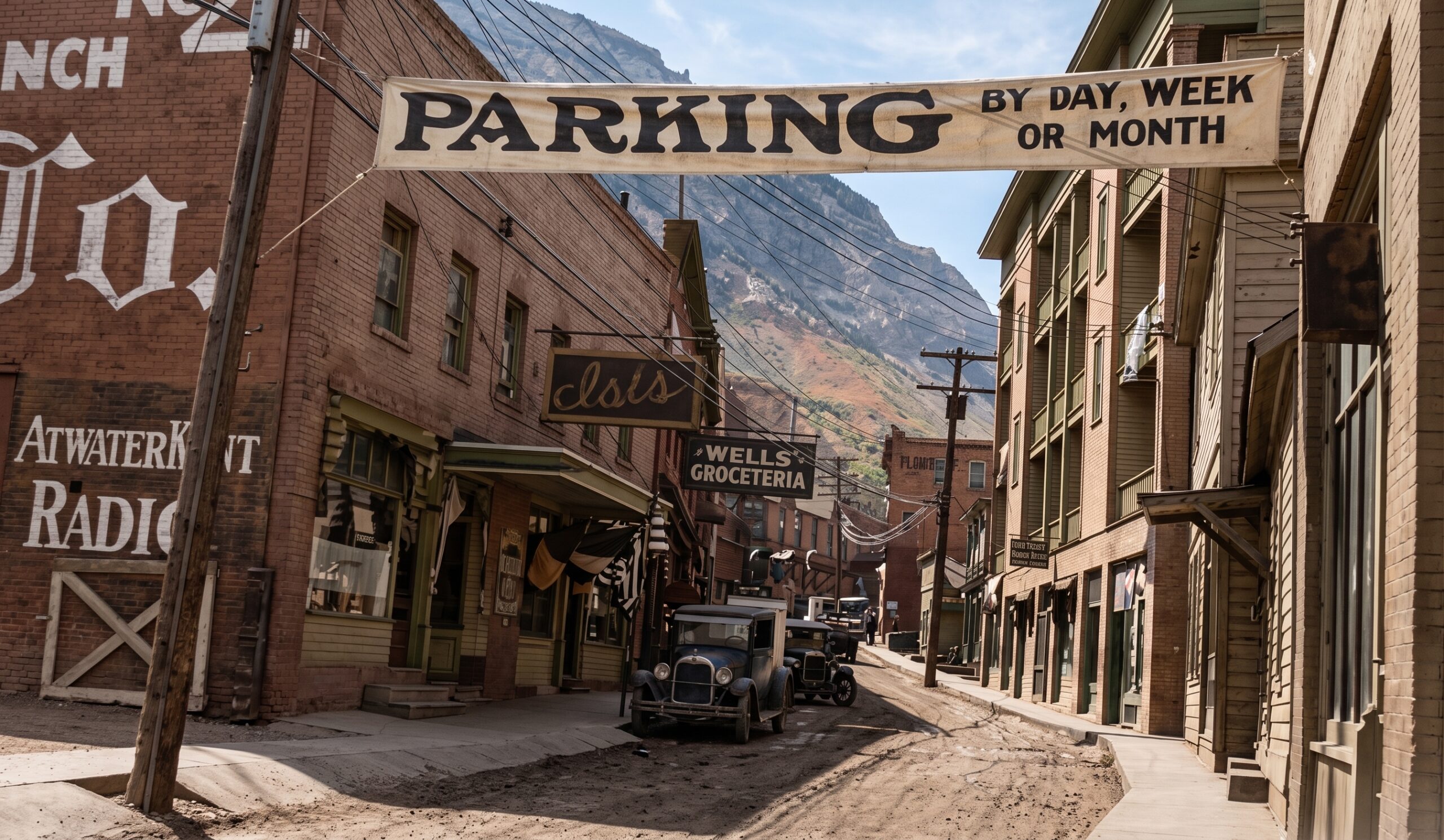
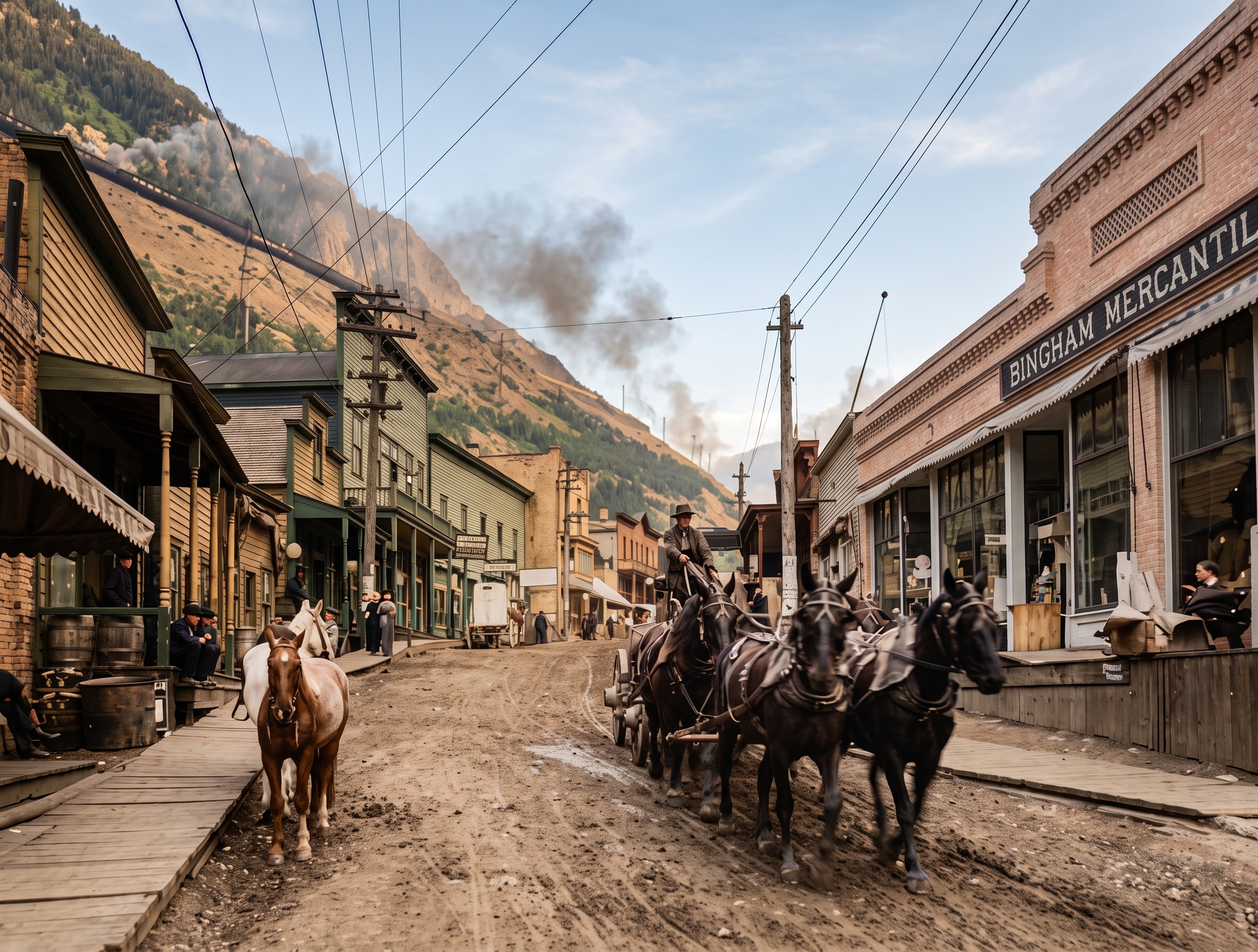
It was a full city despite the squeeze — general stores, saloons, hotels, fraternal halls, boardinghouses, dairies, and schools packed into the gorge. Boarding houses run by immigrant families fed and housed single miners; lunch counters and bars along Main Street stayed busy around the mine’s shifts.
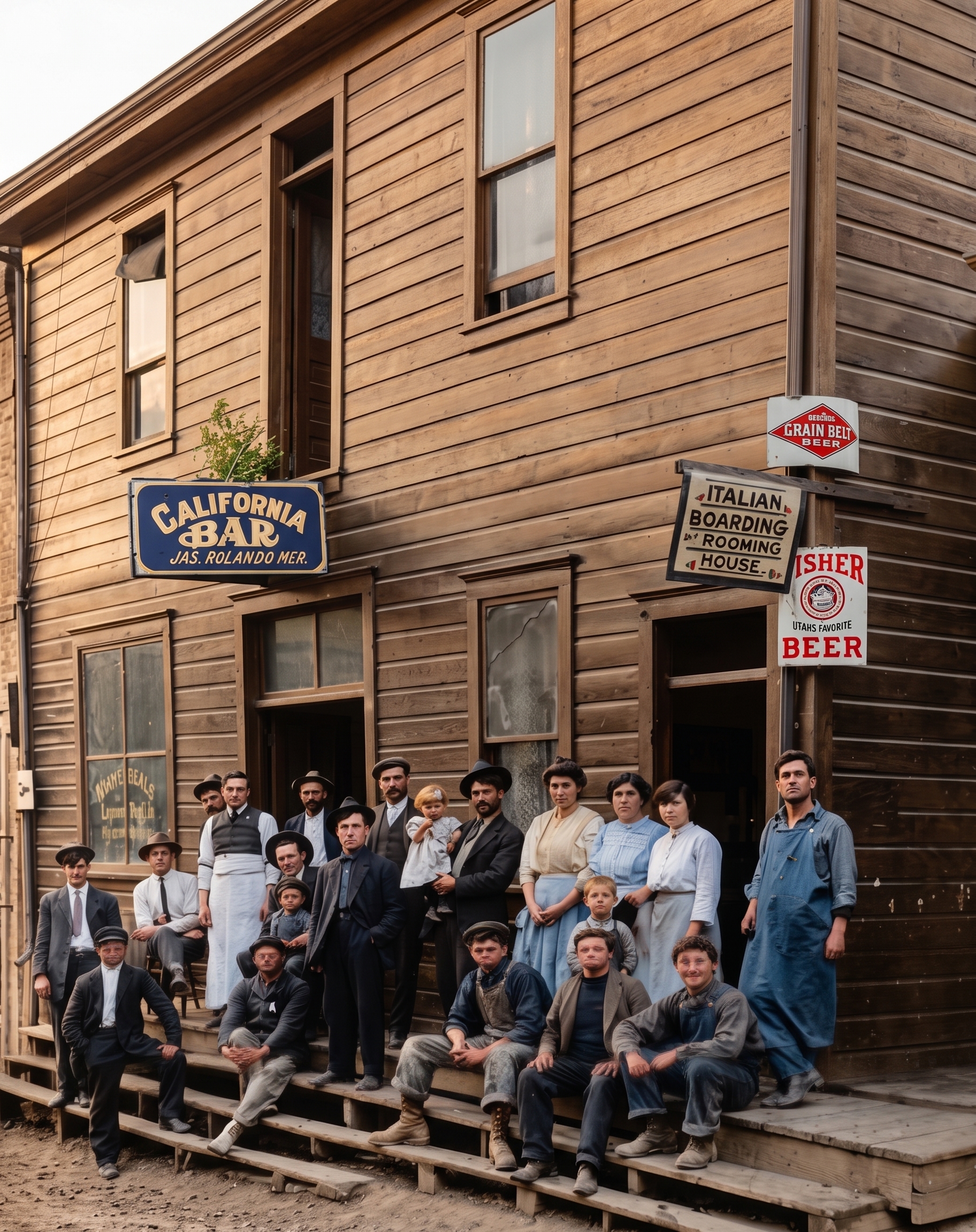

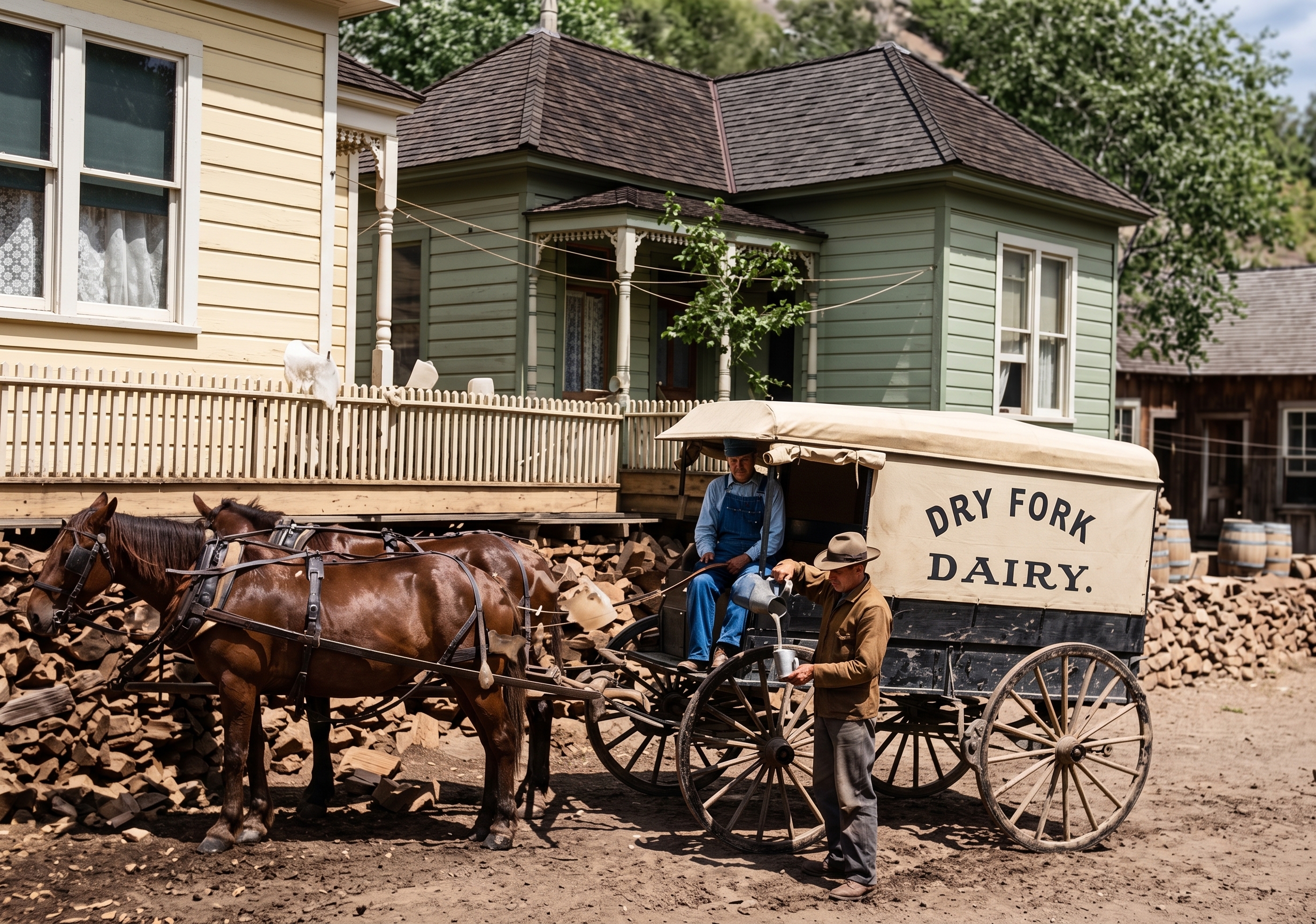

Beneath the vitality ran a rigid ethnic-economic order. Anglo-American workers held the skilled and supervisory jobs; Southern and Eastern European, Asian, and Mexican laborers got the dangerous, low-paid work — often about half an Anglo wage for the same task. Greek miners, more than a third of the workforce by 1912, labored under a padrone system in which labor agents skimmed fees for placing them with the company. In September 1912 the Western Federation of Miners, joined by thousands of Greek and Italian workers, struck to abolish the padrone system and end wage discrimination. The company broke the strike by importing Mexican strikebreakers, and in the 1920s a locally active Ku Klux Klan targeted Catholic and Eastern European miners across the Oquirrh camps.
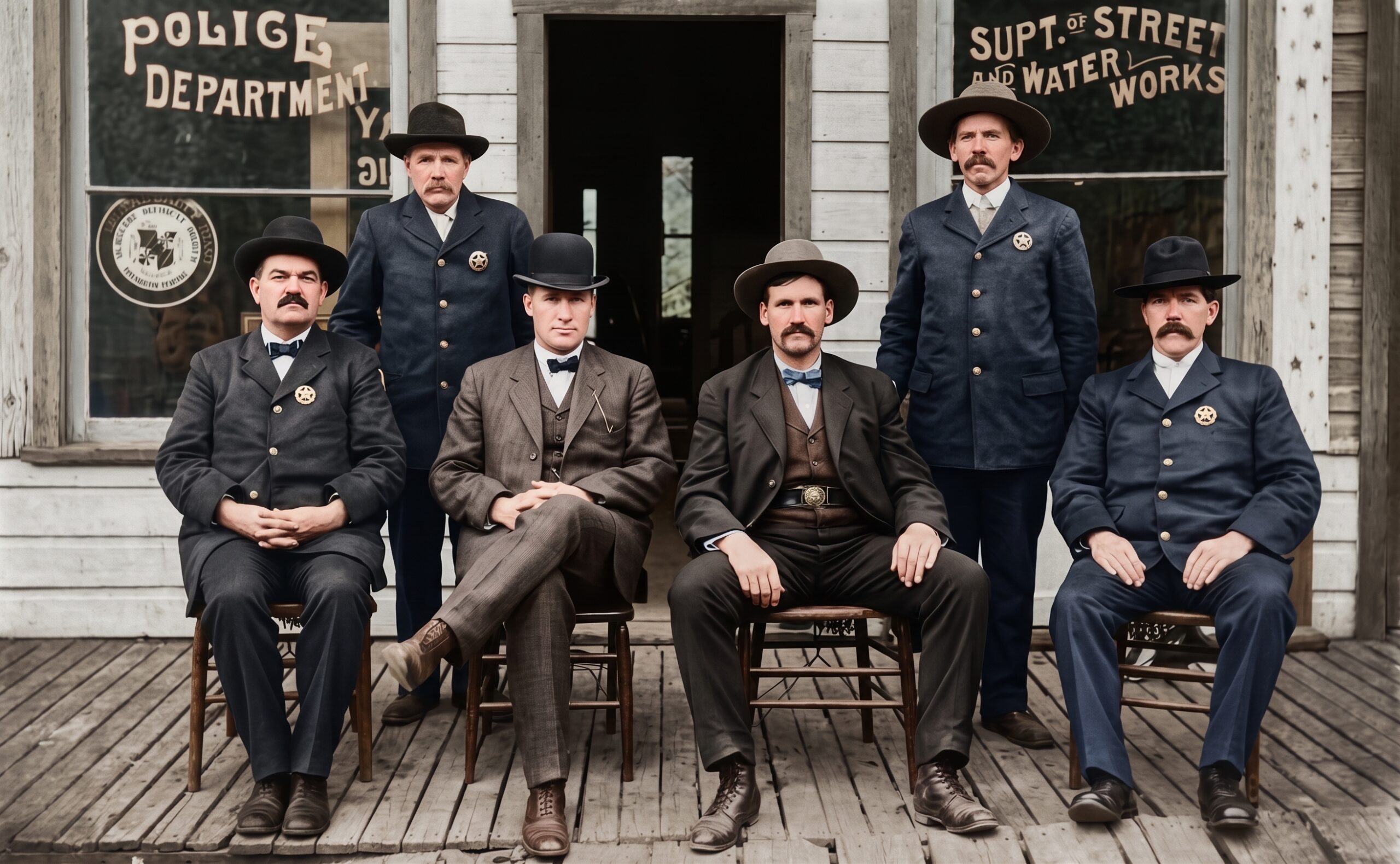
The canyon punished its own density. Wooden buildings jammed together made fire a constant threat; blasting sent boulders down the slopes; spring runoff flooded Main Street; and the steep side canyons loaded up with snow. In February 1926 an avalanche swept down Carr Fork, destroying homes and mine buildings and killing residents.
The Red Lopez Manhunt
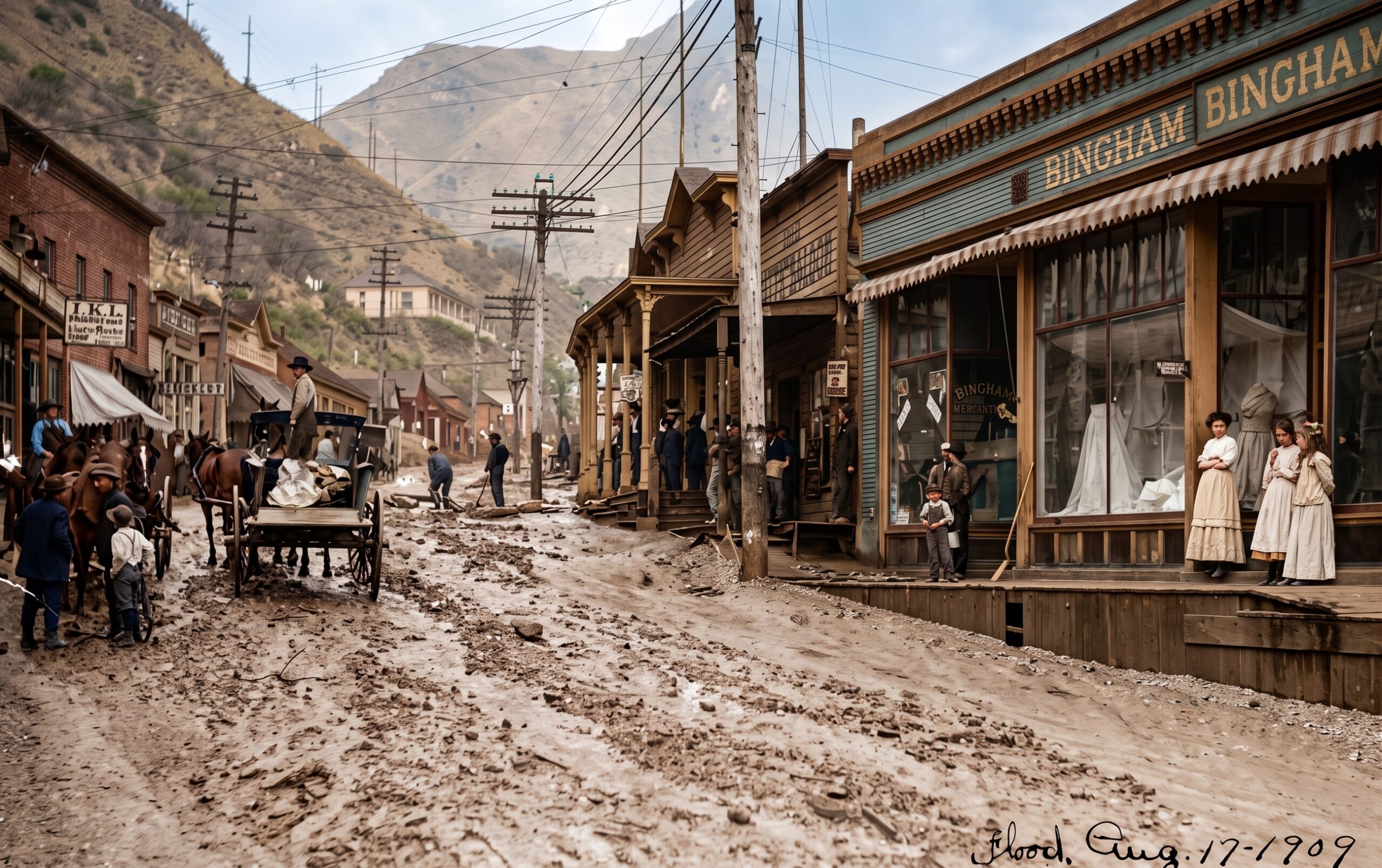
Bingham’s most famous episode began on November 21, 1913, and remains the deadliest event in Utah law-enforcement history. Rafael “Red” Lopez, a miner of mixed Mexican and English descent, shot a man named Juan Valdez after a quarrel in Highland Boy and fled into the snow-covered Oquirrhs. A four-man posse caught up near present-day Saratoga Springs, where Lopez ambushed them, killing Bingham police chief John Grant and deputies George Witbeck and Nephi Jensen.
More than 200 armed men mobilized. Lopez doubled back to Bingham and vanished into the labyrinth of the Minnie Silver and Utah-Apex mine workings. Lawmen tried to smoke him out, burning oil-, sulfur-, and cayenne-soaked hay at the portals. On the eighth day, deputies James Hulsey and Vaso Mandarich pushed a smoldering ore car into a shaft; Lopez ambushed and killed both, then slipped deeper into the mountain. Sympathetic immigrant miners were said to have passed him food. When lawmen finally cleared the mine, Lopez was gone — six men dead and no body.
Consumed by the Pit
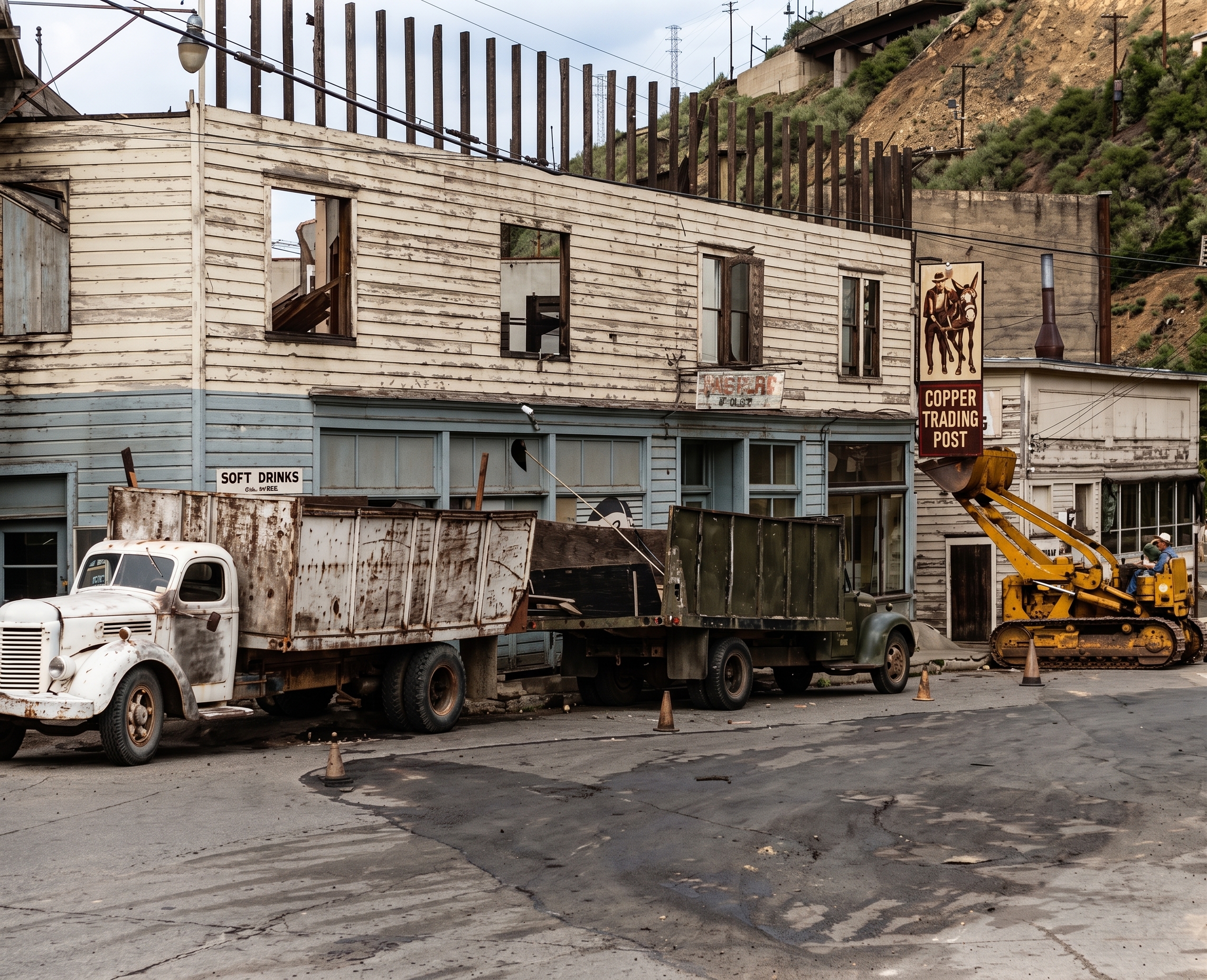
The mine, not the market, ended Bingham Canyon. As the shovel terraces widened and deepened, the company had to buy and demolish the neighborhoods in the way. Recognizing both the hazards and the coming squeeze, the Utah Copper Company built a planned town, Copperton, on the flats east of the canyon mouth in 1926 — brick homes with copper roofs and copper trim — and encouraged workers to leave the gorge. In 1956 the Kennecott Copper Corporation, which had absorbed the operation, sold the Copperton houses to employees for roughly $4,800 to $6,000, accelerating the exodus while mechanization cut the workforce.
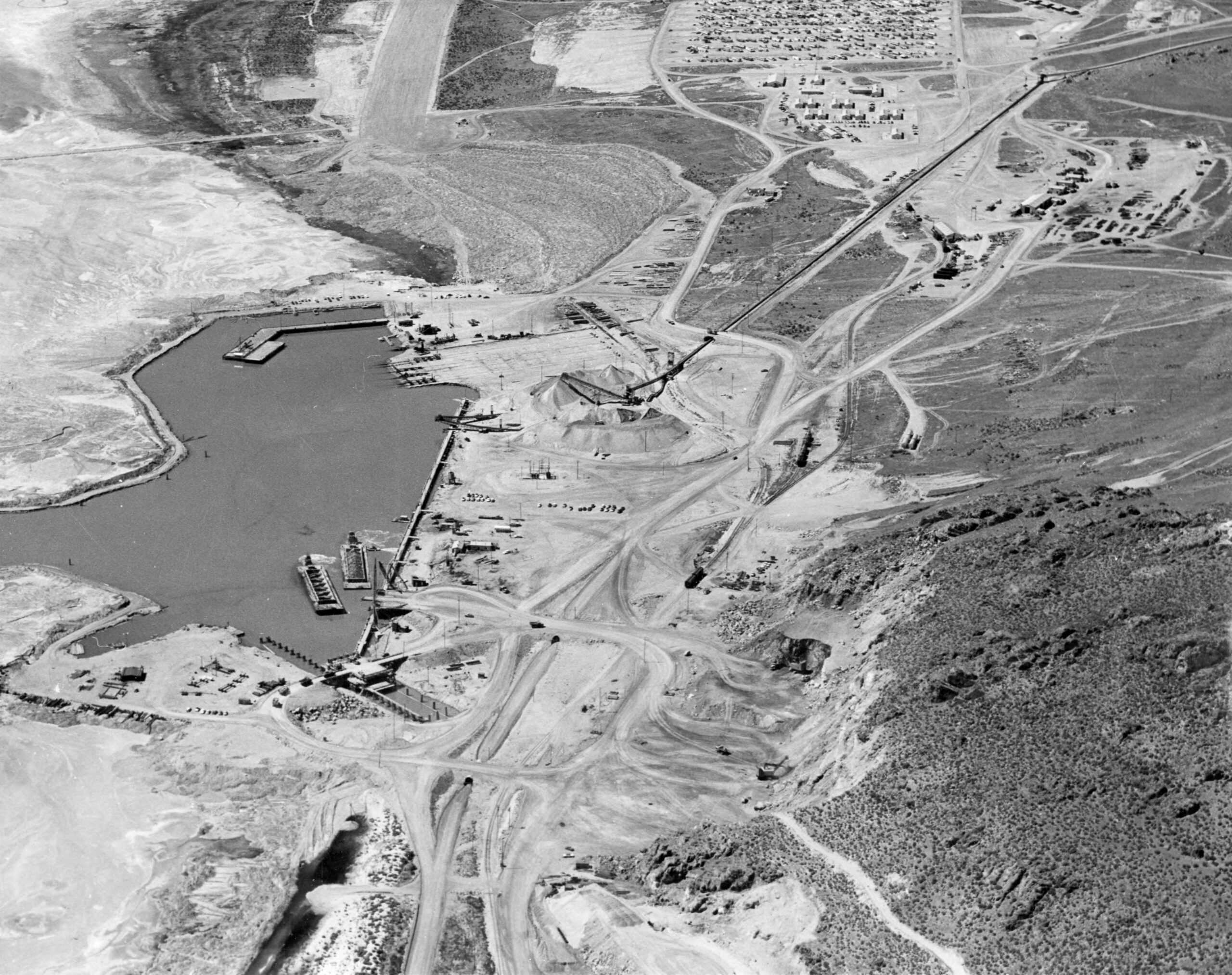
One by one the sub-camps went under the pit — Commercial, Boston Con, Niagara, Highland Boy, Apex, Copperfield. By 1970 the pit face had reached Main Street. The 1971 census counted 31 residents. On November 22, 1971, they voted 11 to 2 to disincorporate, and in 1972 Kennecott razed the last buildings and dug the ground away. Nothing of the town survives in place; its footprint is now empty air above the mine floor. What remains is Copperton — still inhabited, still copper-trimmed — along with archives, a 1973 historical marker near the access road, and the pit itself, one of the largest human excavations on Earth.
Timeline
Visiting Today
There is nothing to see at the original town site — it no longer exists. The only public access to the area is a seasonal overlook on the rim of the active mine.
Ghost Towns Nearby
Further Reading
Sources & further reading
History and demographics: Bingham Canyon, Utah (Wikipedia)
Immigrant labor and the sub-camps: Immigrants at the Bingham Canyon Mine (Intermountain Histories)
Photographs and municipal records: Utah Division of Archives & Records Service