Unionville, Nevada: The Silver Camp Where Mark Twain Gave Up Mining
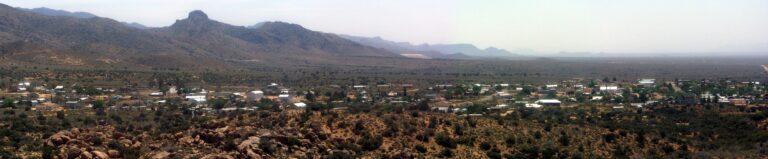
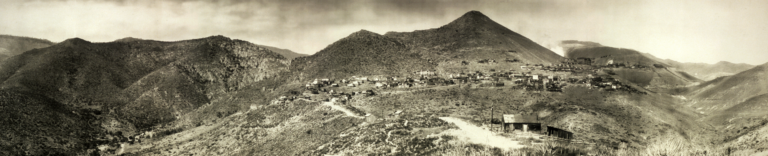
Tucked into a narrow crease of the Humboldt Range, Unionville is the kind of place that once mattered a great deal and now mostly doesn’t — which is precisely what makes it worth the drive. For a few years in the 1860s it was the seat of Humboldt County and one of the busiest towns in the region. A young prospector named Samuel Clemens tried his luck here, failed spectacularly, and left for Virginia City to become Mark Twain instead. Today fewer than thirty people live in the canyon among the stone ruins and old orchards.
Unionville’s arc is the classic Nevada silver-camp cycle compressed into a single canyon: an Indigenous ore discovery, a rush, a boom, a bypass by the railroad, a courthouse lost to a rival town, and a long, quiet fade into a ranching enclave that never entirely emptied out.
An Ore Sample and a Rush
The town began, as many Nevada camps did, with Northern Paiute people who knew the country. In May 1861 they brought rich silver-ore specimens from Buena Vista Canyon, on the eastern flank of the Humboldt Range, to prospectors over in Virginia City. Word moved fast. Within weeks miners were pouring into the canyon, and by mid-summer 1861 a permanent settlement had been laid out along the narrow canyon floor.
Geologically, the district sits on the faulted eastern limb of a large anticline, where flat-lying quartz-calcite veins follow bedding planes in Triassic limestone near contacts with rhyolite. The payoff was silver — bound up with galena, tetrahedrite, and other sulfides — plus a little placer gold in Buena Vista Creek. The industrial anchor was the Arizona Mine, found in 1862, which worked on and off all the way to 1959 and produced somewhere between $2.7 and $13 million in silver over its lifetime. Smaller operations — the Henning, Pfluger, Wheeler, Marigold, and Black Warrior mines — filled out the district.
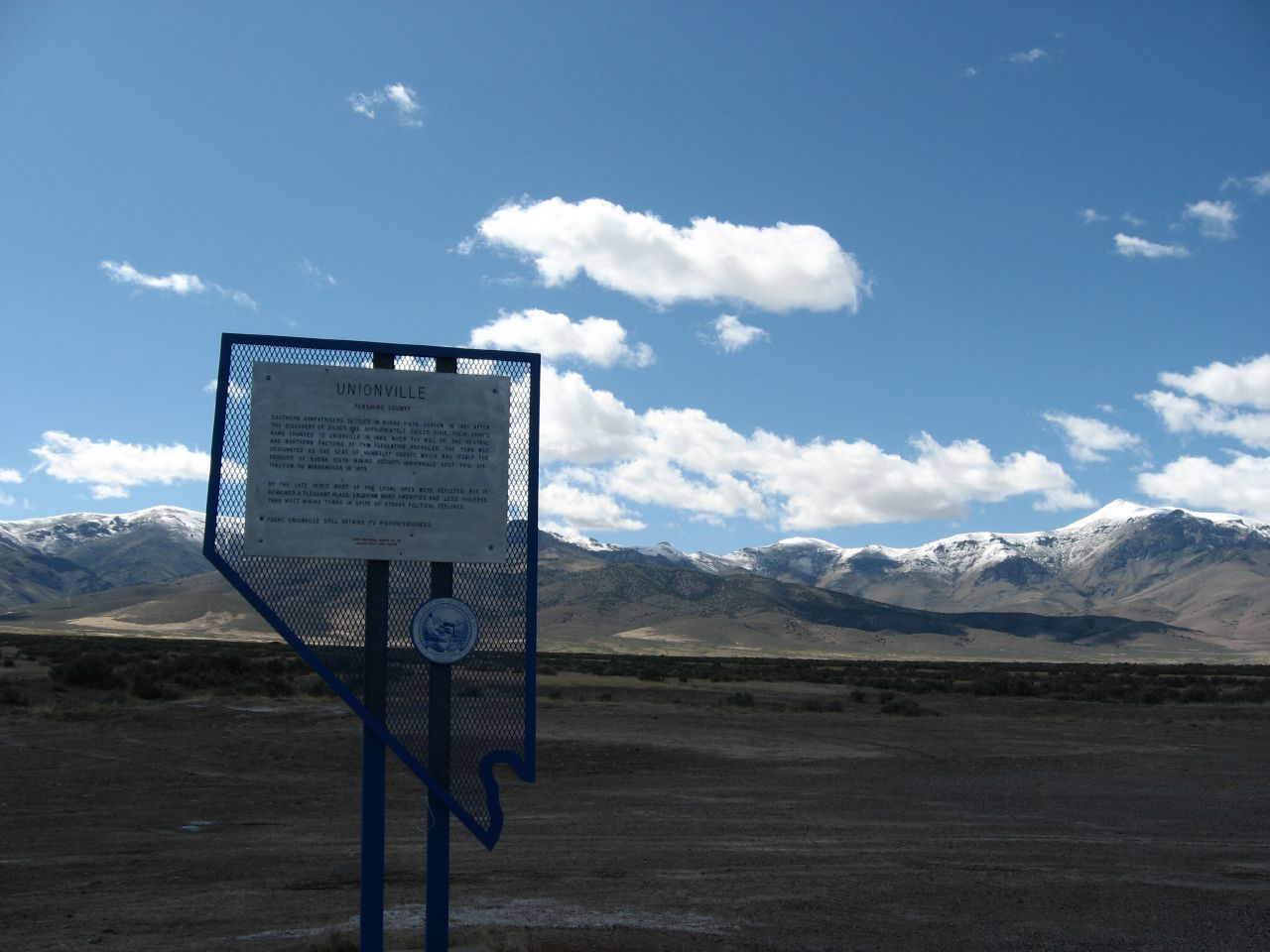
A Town Divided by the Civil War
Unionville’s very layout was a map of national politics. In early 1861, pro-Confederate miners founded the first camp in the upper canyon and called it Dixie. As Northern and neutral prospectors arrived through the year, the settlement sorted itself into ideological neighborhoods: a Lower Town (Dixie, for Southern sympathizers), an Upper Town dominated by Northerners, and a middle zone called Centerville that served as an informal buffer between them.
By late 1861 the Northern miners had the numbers, and they renamed the combined settlement Unionville — a small, pointed act of political branding at the height of the Civil War. Remarkably, the town stayed relatively peaceful despite the polarization, avoiding the bloodshed that marked some contemporaries.
County Seat and Commercial Hub
In November 1861, Unionville was named the first county seat of the newly created Humboldt County. Its main growth came between 1863 and 1870: by mid-1863 the population neared 1,000, cresting around 1,500 in the mid-to-late decade. For a while it was the administrative and commercial center of the east Humboldt mining region.
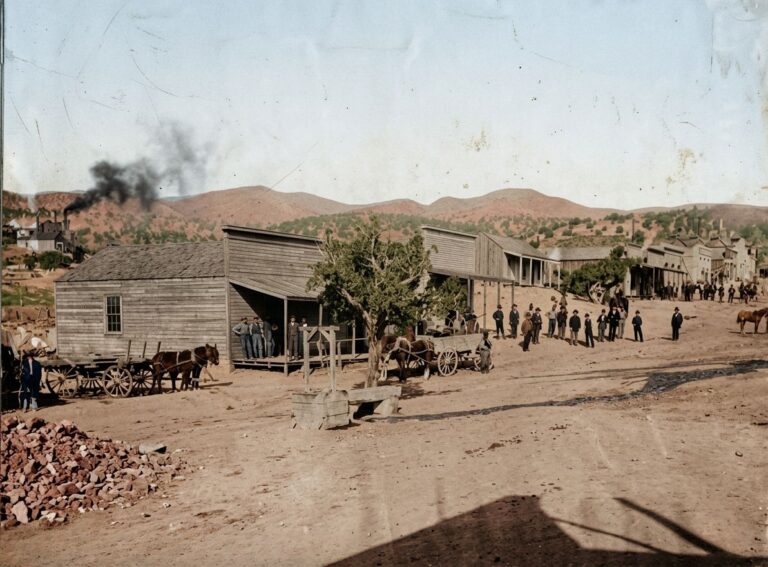
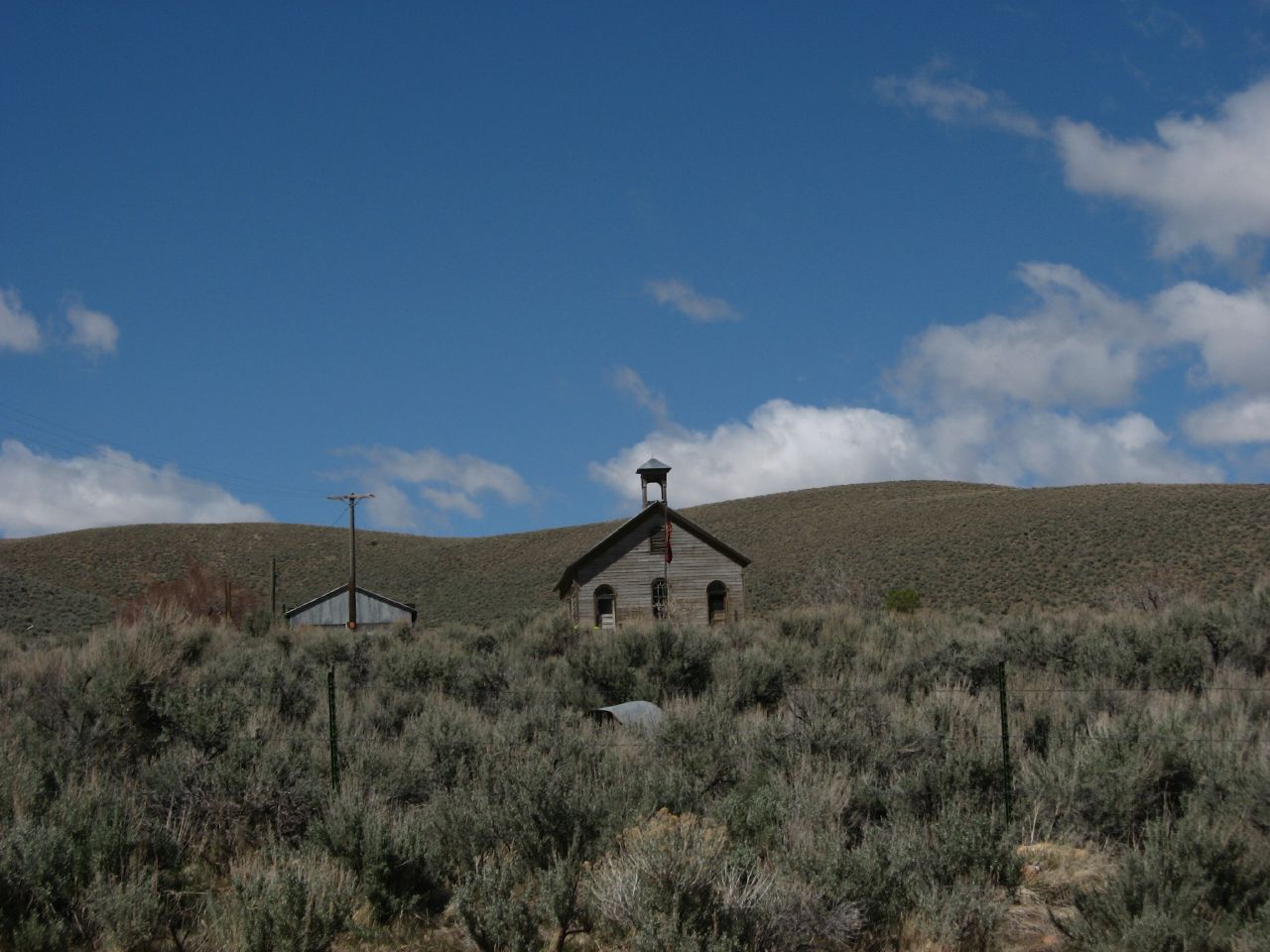
The town’s business directory reflected that status. At its height Unionville had ten general stores, nine saloons, six hotels, four livery stables, a brewery, a schoolhouse, and a post office opened on April 15, 1862. Three ten-stamp mills pounded local ore, and a newspaper — the Humboldt Register — began publishing in May 1863. It was, briefly, a real town rather than just a mining camp, in the way that Virginia City was on a far larger scale a few ranges to the south.
Enter Samuel Clemens
In late 1861 or early 1862, a 26-year-old Samuel Langhorne Clemens turned up in Unionville with three companions, chasing the silver dream that had emptied half of California into Nevada. He later wrote up the three-week misadventure in Roughing It (1872), describing the camp on his arrival as “eleven cabins and a liberty-pole” wedged into a canyon crevice.
His mining career was short and instructive. The claims that looked so promising turned out to hold worthless mica and iron pyrite — fool’s gold — rather than silver. Clemens quit, headed for Virginia City, and took a newspaper job, adopting the pen name Mark Twain. Unionville, in other words, is where one of America’s great writers discovered he was a much better journalist than a prospector.
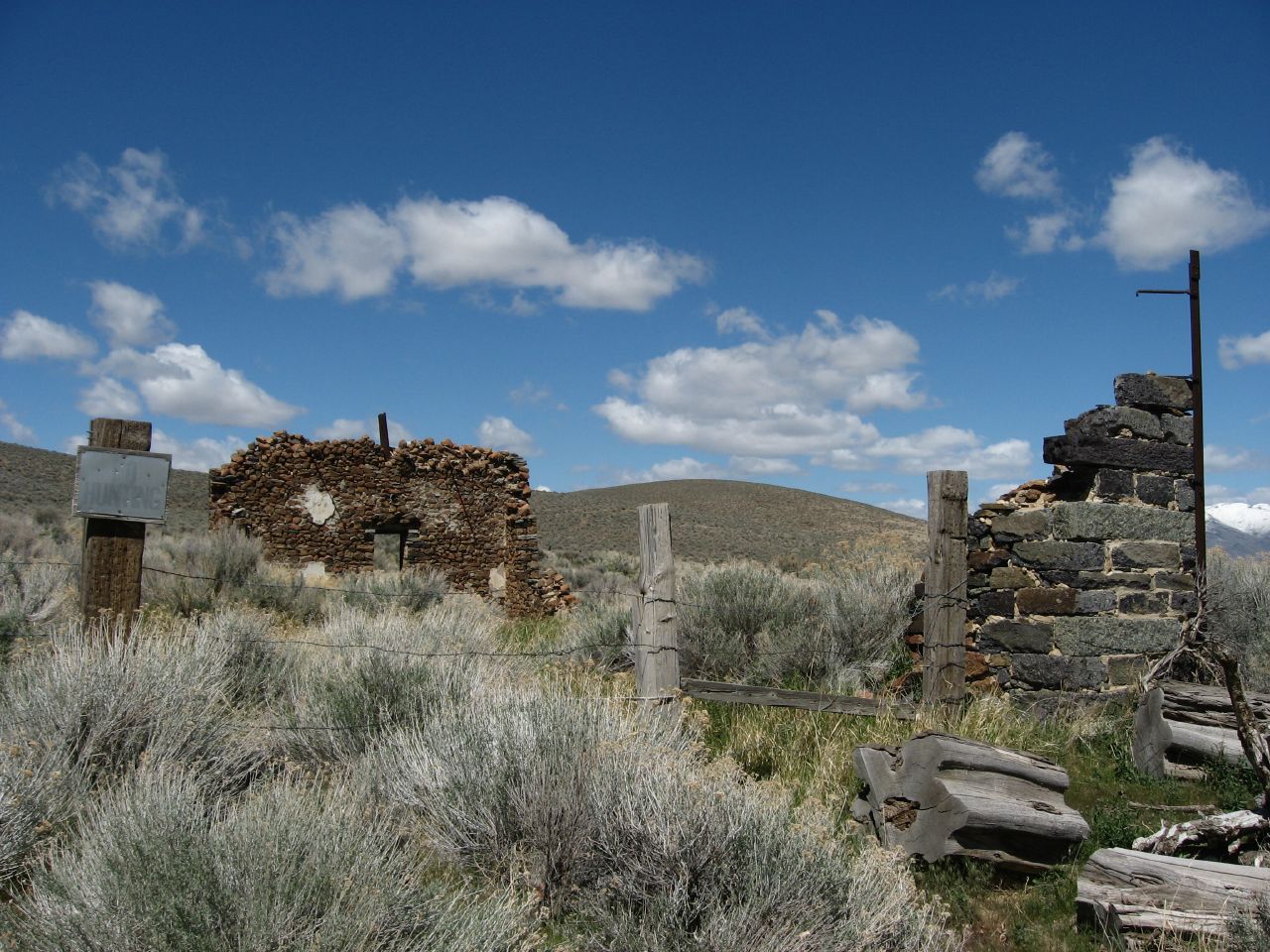
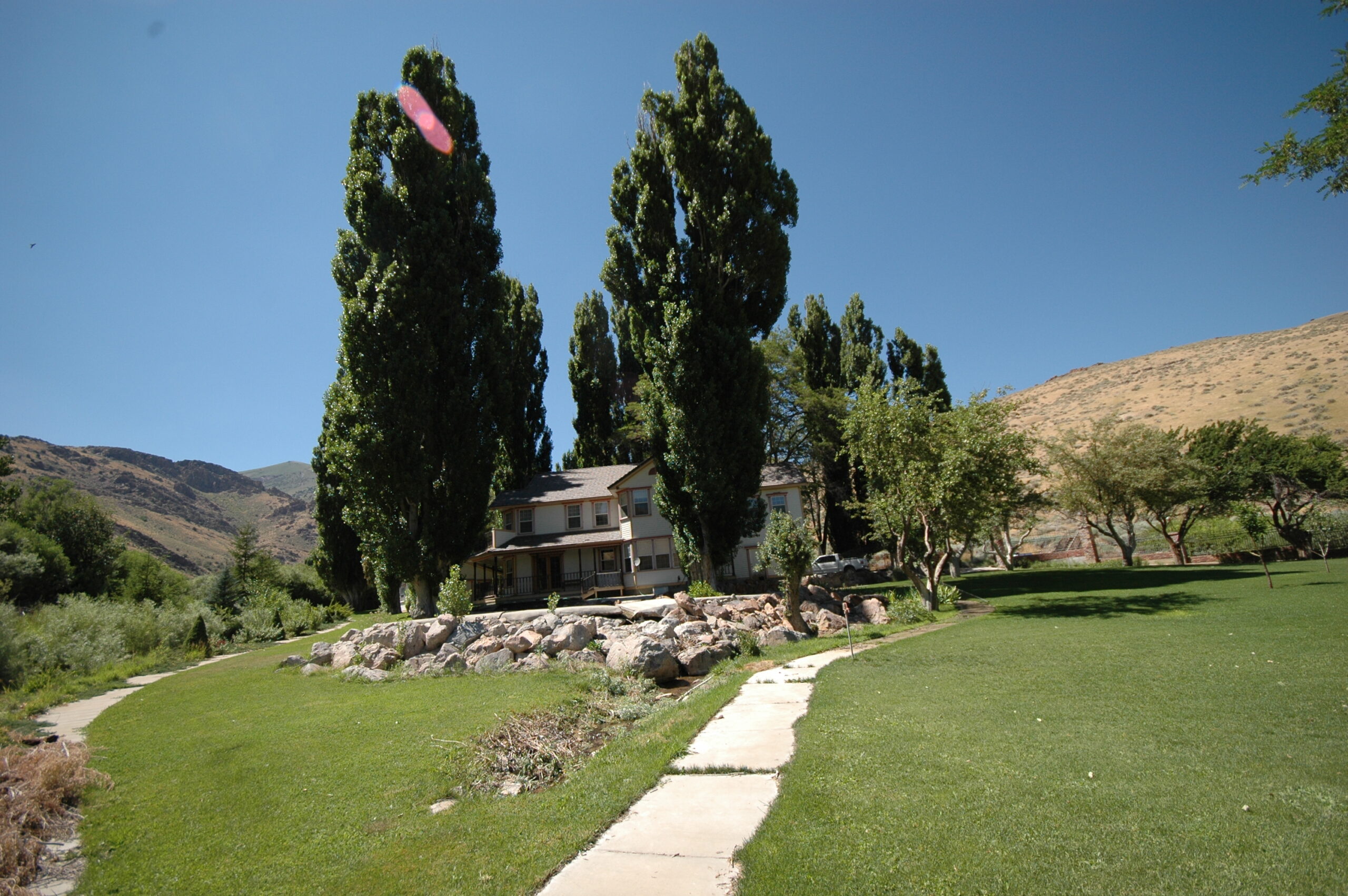
The Expulsion of 1869
Unionville’s history also carries a darker chapter that reflects broader currents of the era. Chinese immigrants were a key part of the regional mining labor force, working in and around Unionville and the placer diggings of nearby American Canyon — and they were the target of intense hostility, stoked by local white residents and amplified by the Humboldt Register.
In mid-January 1869, white residents formed an “Anti-Chinese League,” rounded up 35 Chinese residents, loaded them onto wagons, and forcibly hauled them 25 miles to the railroad at Mill City, expelling them under threat of violence. The episode did draw legal consequences: a federal grand jury indicted 18 League members for violating the Burlingame Treaty between the United States and China. Years later, after the corporate mines had faded, small groups of elderly Chinese miners quietly returned to American Canyon to work placer gold by hand until around 1905.
Why It Faded
Several forces converged to hollow Unionville out. First was geology: by 1870 the near-surface, high-grade silver was largely mined out, and although the stamp mills kept grinding lower-grade ore into the early 1870s, profits thinned. When the Arizona Mine curtailed its main operations in 1880, the town lost its biggest employer.
Second was the railroad — or rather, the lack of it. The Central Pacific pushed through the Humboldt Valley in 1869, but it ran along the lowland corridor through stations like Mill City and Winnemucca, bypassing Unionville’s mountain canyon entirely. Trade shifted to the rails almost immediately, isolating the town. Then came fire: in August 1872 a blaze destroyed some $30,000 worth of the wooden commercial core. The final blow was political — in 1873 the Nevada legislature moved the Humboldt County seat to Winnemucca, and Unionville’s reason for existing as an administrative center was gone.
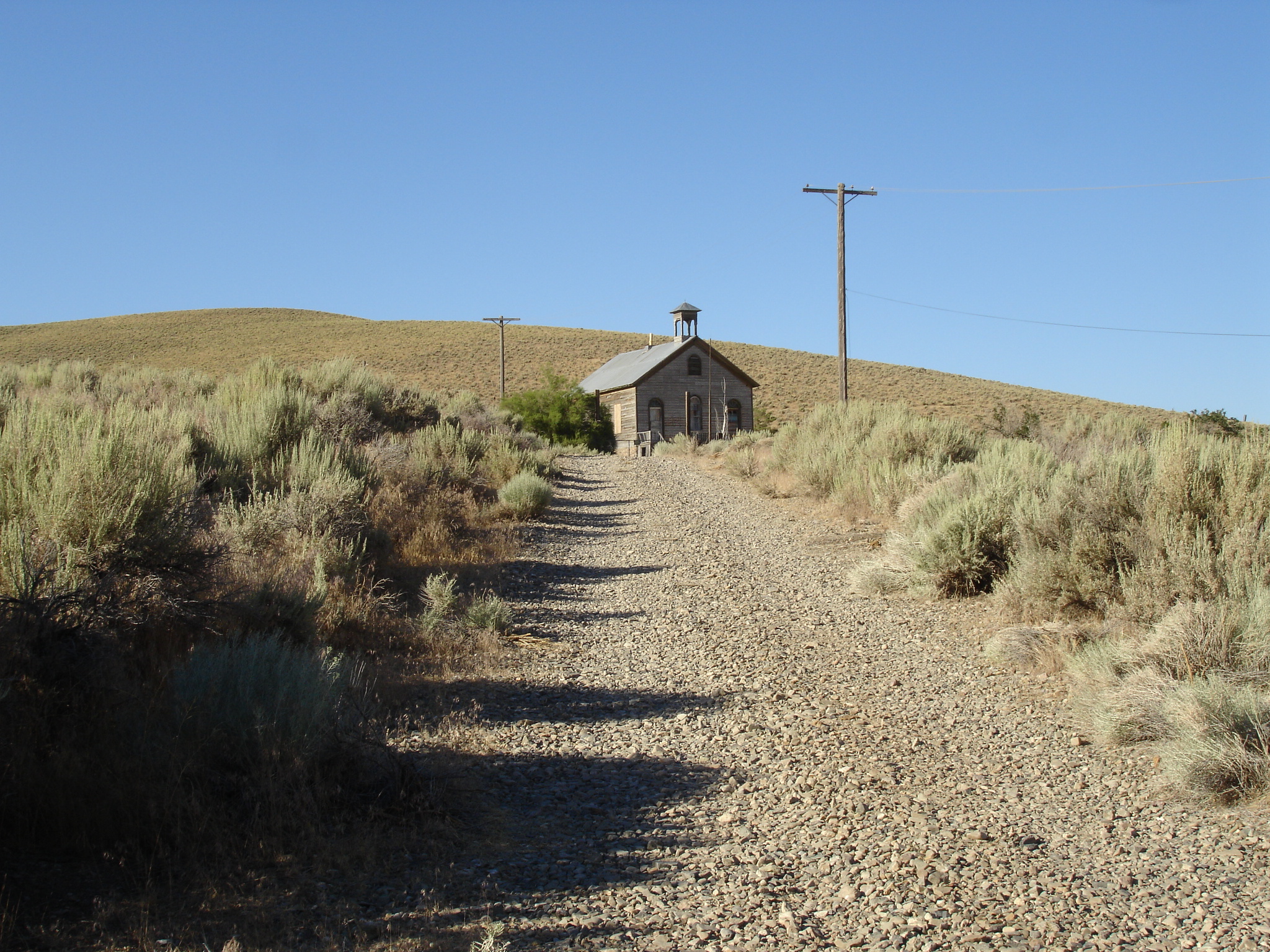
A Last Bid, and a Long Quiet
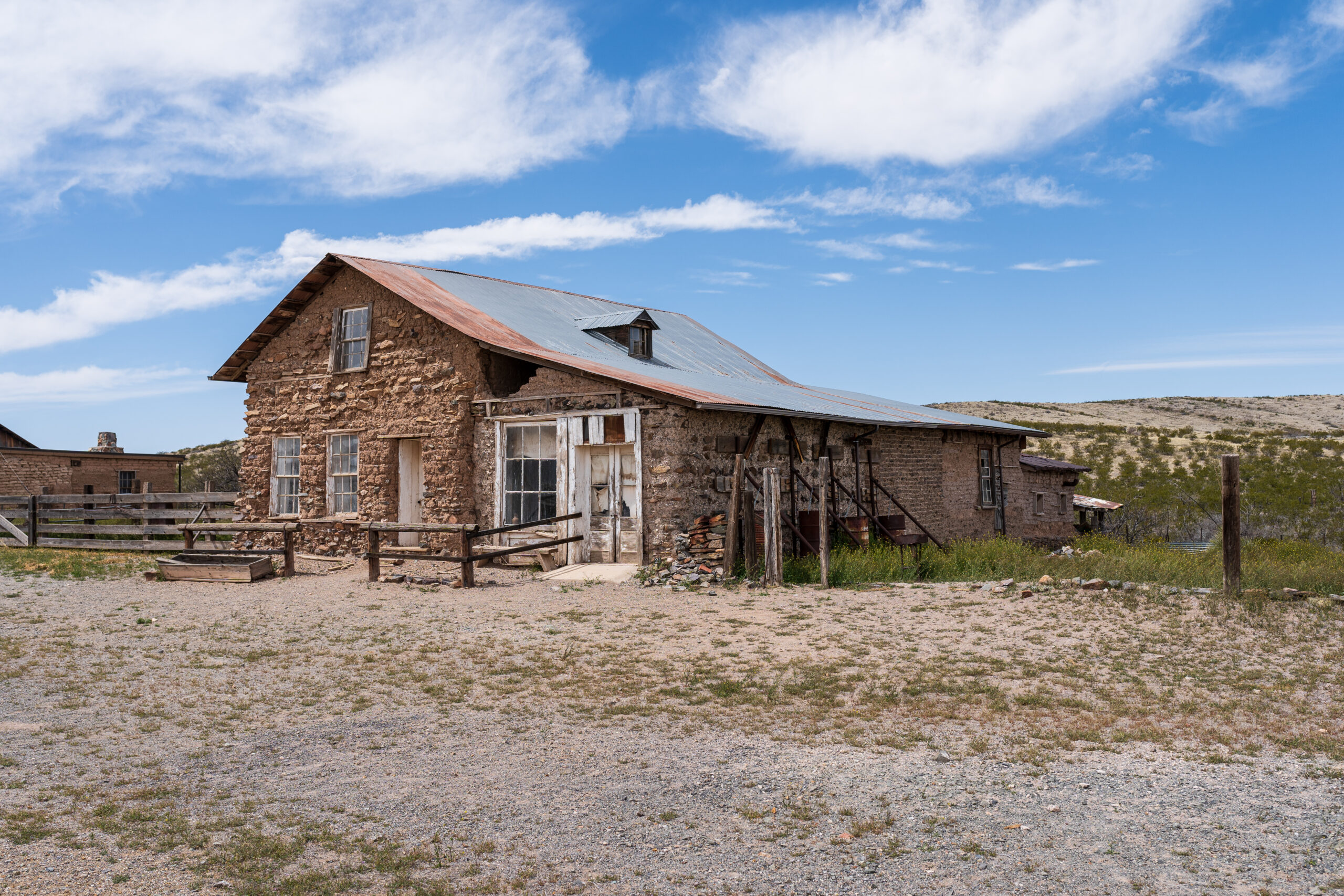
When Pershing County was carved out of Humboldt County in 1919, Unionville residents made one last play to become a county seat. The 1920 census settled the matter: only 70 people remained — 16 miners, 6 ranchers, a scattering of tradesmen, one assayer, one teacher, one cook, and one laborer — no match for Lovelock. From there Unionville settled into life as a rural enclave, sustained by small fruit orchards and ranching in the well-watered canyon rather than by ore. Unlike boomtowns such as Goldfield that emptied almost completely, Unionville simply shrank and kept going.
That long quiet was occasionally interrupted. In 1977 the Los Angeles Times ran an investigative piece bluntly headlined “Everybody Hates Everybody in Unionville,” documenting bitter feuds over water rights and land claims among the canyon’s few residents — property blockades, armed standoffs, the peculiar friction of a tiny, isolated community. It was a reminder that a ghost town with a pulse is still a place where neighbors have to share a creek.
Timeline
Planning a Visit
Getting There
Nearby Ghost Towns & Historic Sites
The Humboldt Range and the basins around it are dense with 19th- and early-20th-century mining camps.
Further Reading
Sources: Wikipedia, “Unionville, Nevada” · Travel Nevada, “Unionville” · Nevada State Historical Marker 145 (NoeHill) · Twain, Roughing It (1872) · Basso, Ghosts of Humboldt Region (1970) · Paher, Nevada Ghost Towns & Mining Camps · Carlson, Nevada Place Names (1974) · UNLV OAsis, archaeological investigations at American Canyon.
Photo credits: townsite, historical marker, stone ruins, and homestead by Ken Lund, CC BY-SA 2.0; pioneer house by Zack Sheppard, CC BY-SA 2.0; old schoolhouse by NevadaTraveller, CC BY-SA 3.0. All via Wikimedia Commons.