Shasta, California: The Queen City That the Railroad Left Behind
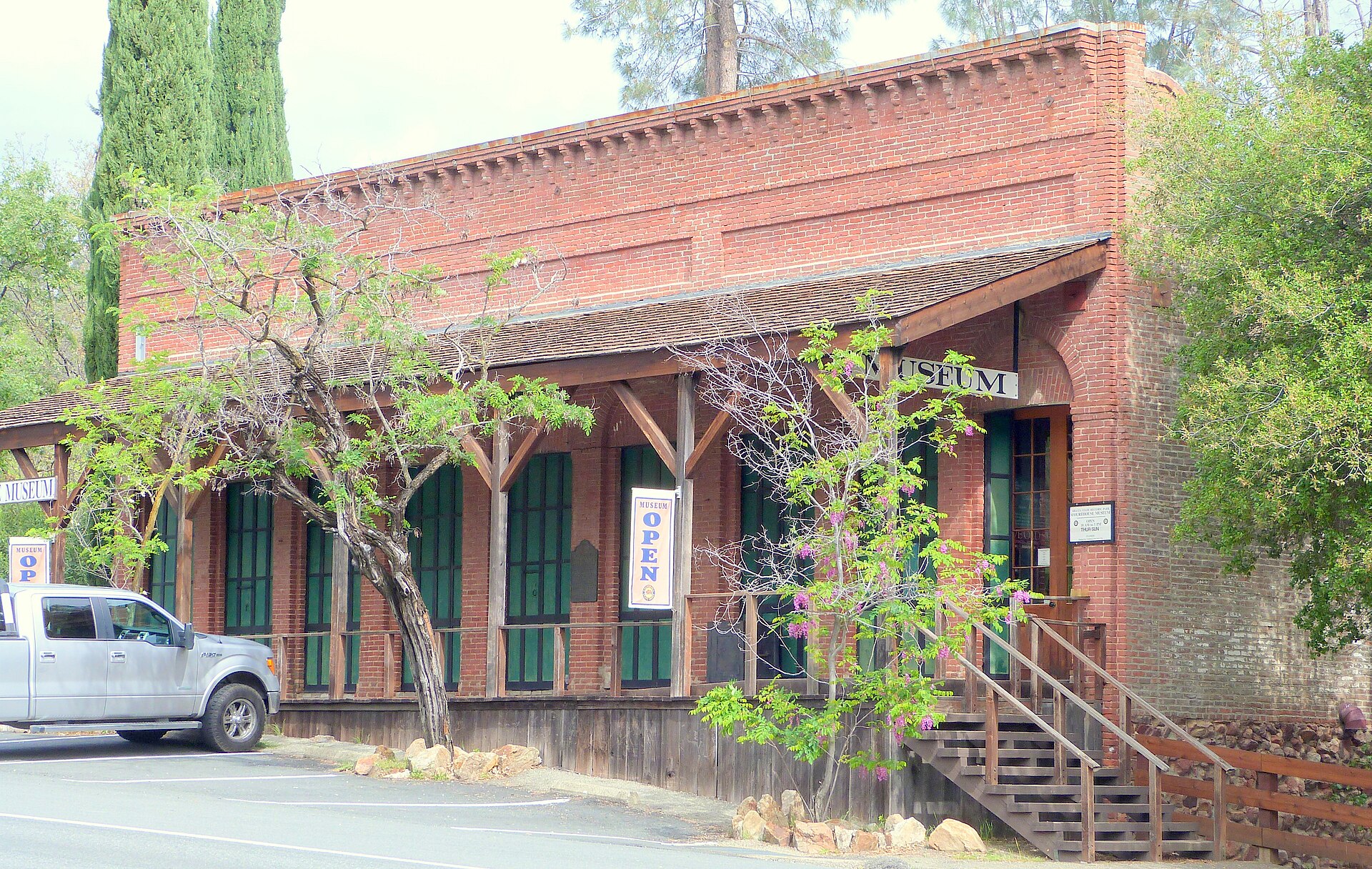
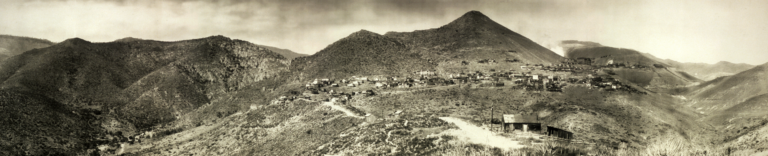
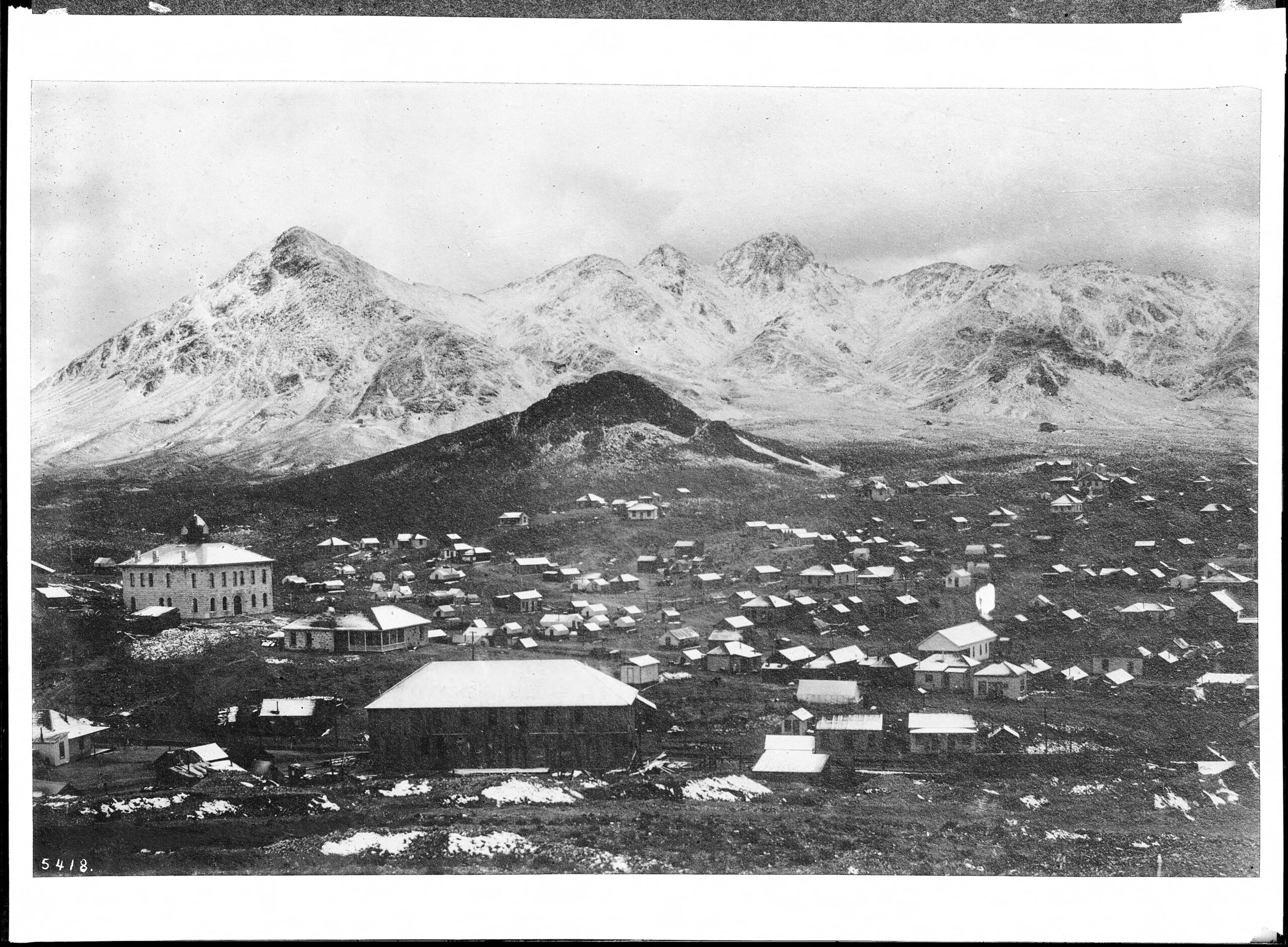
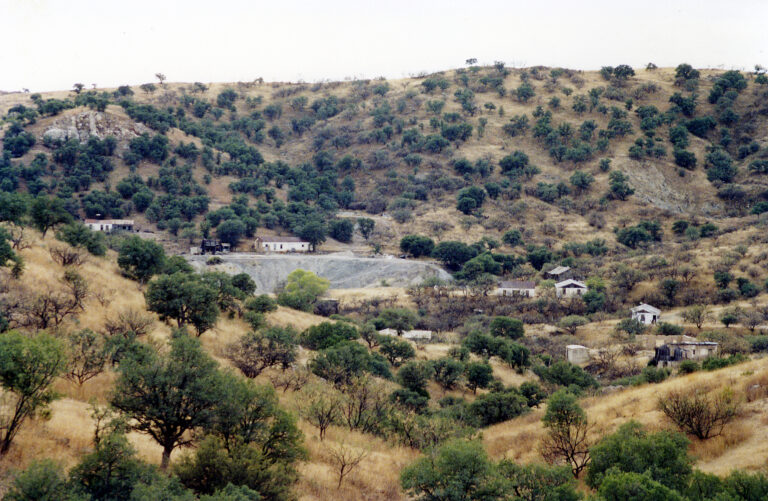
For a brief, roaring decade, Shasta was the busiest place in California north of Sacramento. Miners called it the “Queen City of the North,” and its Main Street was the last stop where a freight wagon could roll before the trails narrowed into pack-mule routes bound for the goldfields of the Trinity, Siskiyou, and southern Oregon country. Today the wagons are gone, the crowds are gone, and what remains is a row of roofless brick shells and a restored courthouse standing quietly beside Highway 299.
Shasta’s story is a compact lesson in how the 19th-century West was made and unmade: a gold strike created it, fire nearly destroyed it, brick and iron preserved it, and a railroad six miles away quietly killed it.
From Reading’s Bar to the Queen City
The spark came in March 1848, when Major Pierson B. Reading — a former officer in Frémont’s California Battalion — found placer gold along Clear Creek at what became Reading’s Bar, far north of the Sierra Nevada Mother Lode. By the spring of 1849 a tent settlement called Reading’s Springs had formed nearby, home to perhaps 500 miners and merchants by that October.
Recognizing the site’s strategic position at the base of the Klamath Mountains, residents renamed the town Shasta on June 8, 1850. When Shasta County was organized as one of California’s original 27 counties, Shasta became the county seat in February 1851. Its power came from geography: until 1861 it was the northernmost point heavy wagons could reach, so nearly all freight bound for the northern mines was offloaded here onto mule trains. The town filled with mercantiles, banks, hotels, saloons, bakeries, and express offices, and during peak trading months thousands of prospectors and packers crowded Main Street.
Fire, Brick, and the Iron Shutters That Saved the Town
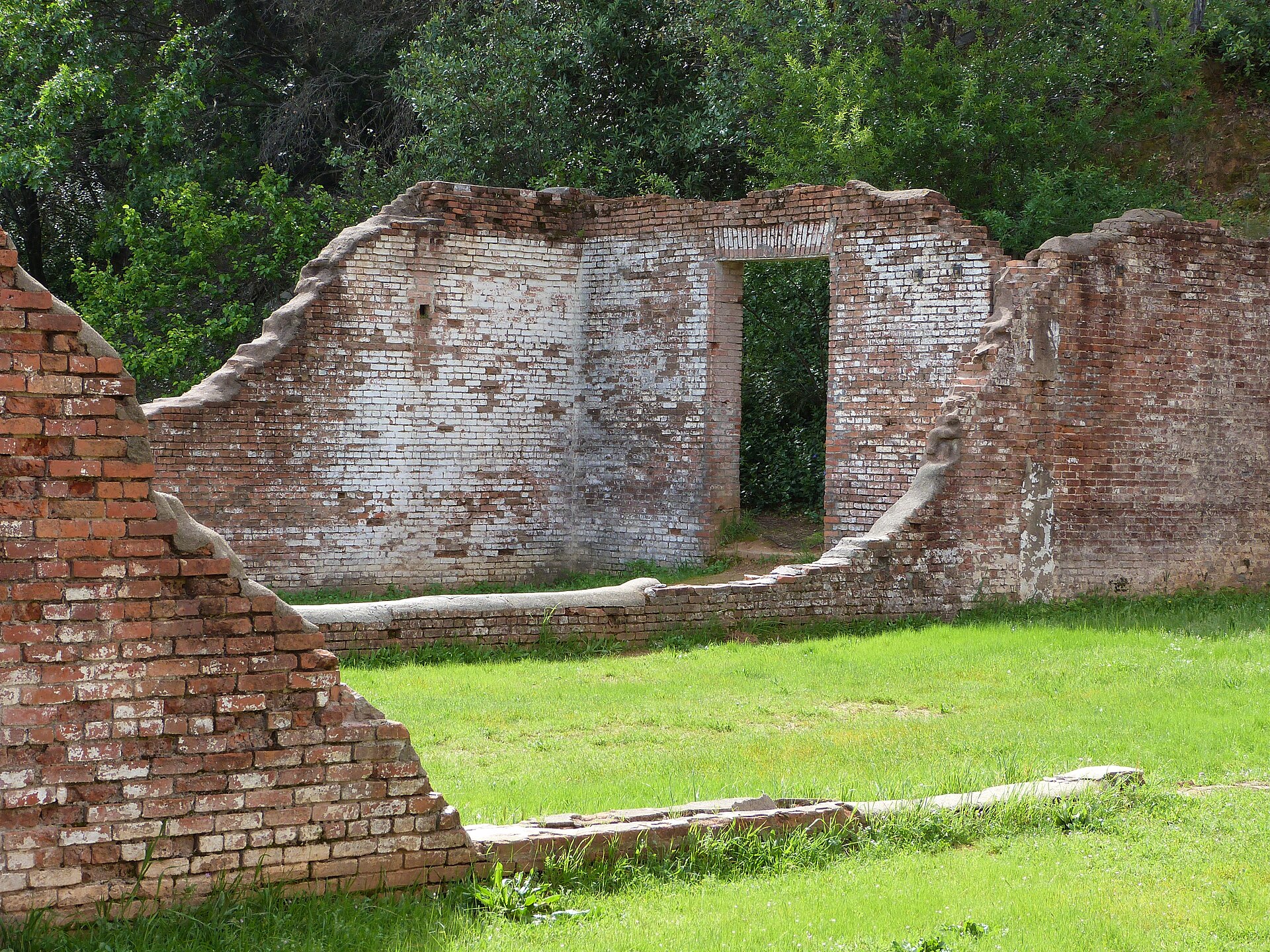
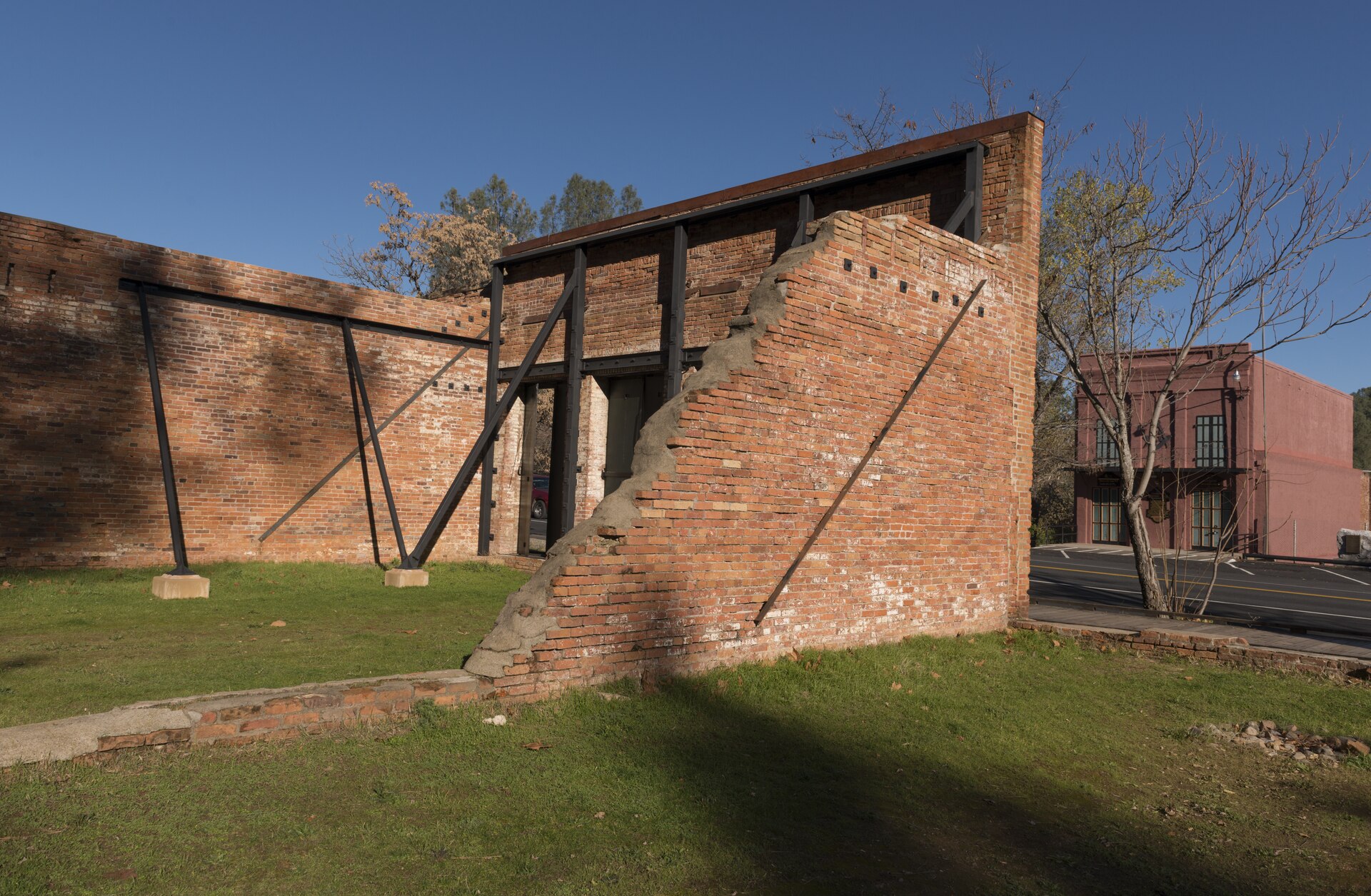
Like most boomtowns thrown together from pine and canvas, Shasta burned. After smaller fires in 1852, the Great Fire of June 14, 1853 destroyed the entire wooden business district along Main Street. Rather than walk away, merchants reinvested their gold and rebuilt in 1853–1854 with thick locally fired red brick, heavy slate or tin roofs, and massive iron shutters hinged over every door and window. That decision gave Shasta the architecture it is remembered for — and, ironically, the durability that let it survive as a ruin long after it was abandoned.
The Railroad That Chose Redding
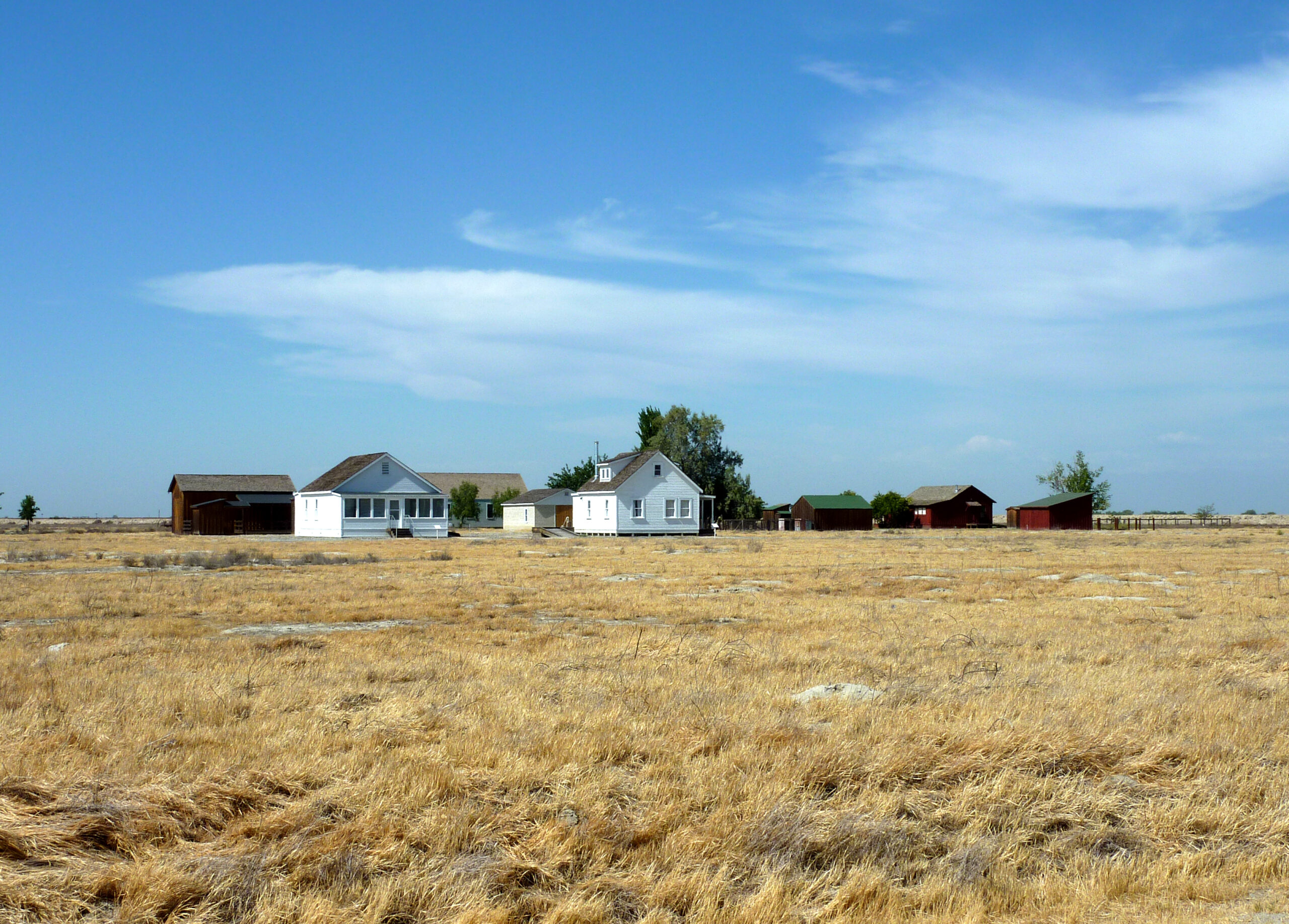
Prosperity ended not with a fire but with a survey line. In 1872 the Central Pacific Railroad pushed north through the flat valley east of Clear Creek, bypassing hilly Shasta by about six miles and establishing a terminus at a spot known as “Poverty Flats” — soon laid out as the town of Redding. Overnight, the pack trains and stage lines that had made Shasta essential became obsolete. The same quiet violence of a rerouted rail line would later empty Allensworth, the Black freedom colony in the San Joaquin Valley, when the Santa Fe built a spur around it in 1922. Through the 1870s and 1880s, businesses and residents drifted to the railhead. The final blow came in 1888, when county voters moved the county seat to Redding. Stripped of commerce, transport, and government, Shasta faded into a ghost town, its brick buildings losing their roofs to weather and time.
What Survives at Shasta State Historic Park
Local preservationists began working to save the townsite in the early 20th century. Shasta was registered as California Historical Landmark No. 77 in 1932, and the state established Shasta State Historic Park to protect the surviving core; the site was added to the National Register of Historic Places in 1971. The park now covers about 19 acres of historic structures, commercial ruins, cottages, and pioneer cemeteries.
The centerpiece is the Shasta County Courthouse. Built in 1855 as a brick store and converted into the courthouse in 1861, it has been restored to its 1861 appearance, complete with courtroom, judge’s chambers, law offices, and four iron-gated basement jail cells; a replica gallows stands in the courtyard behind it. Inside, the museum holds the Mae Helene Bacon Boggs Collection — 98 historic California paintings from 1850 to 1950 by 71 artists, donated by a woman who arrived in Shasta as a child in 1871.
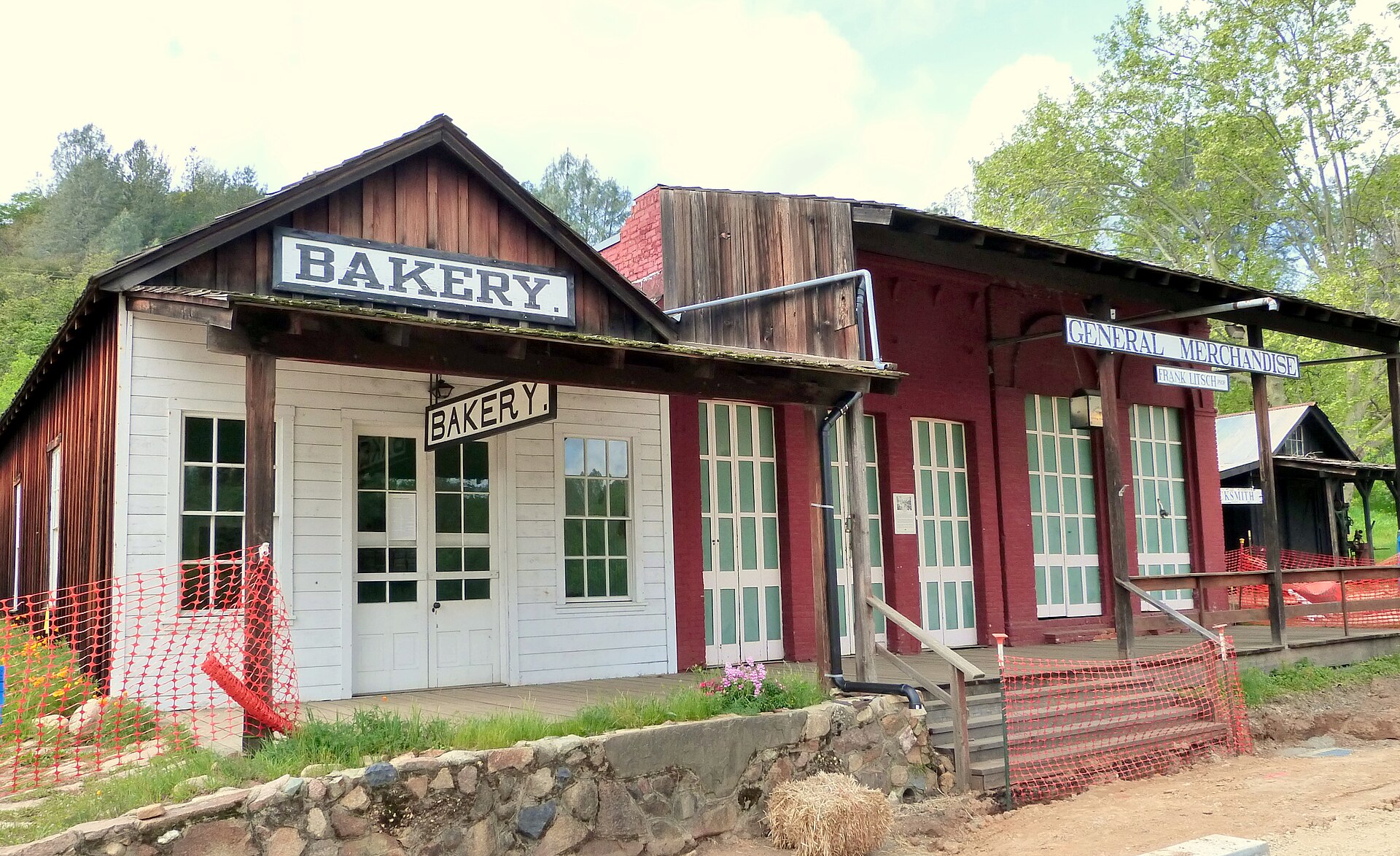
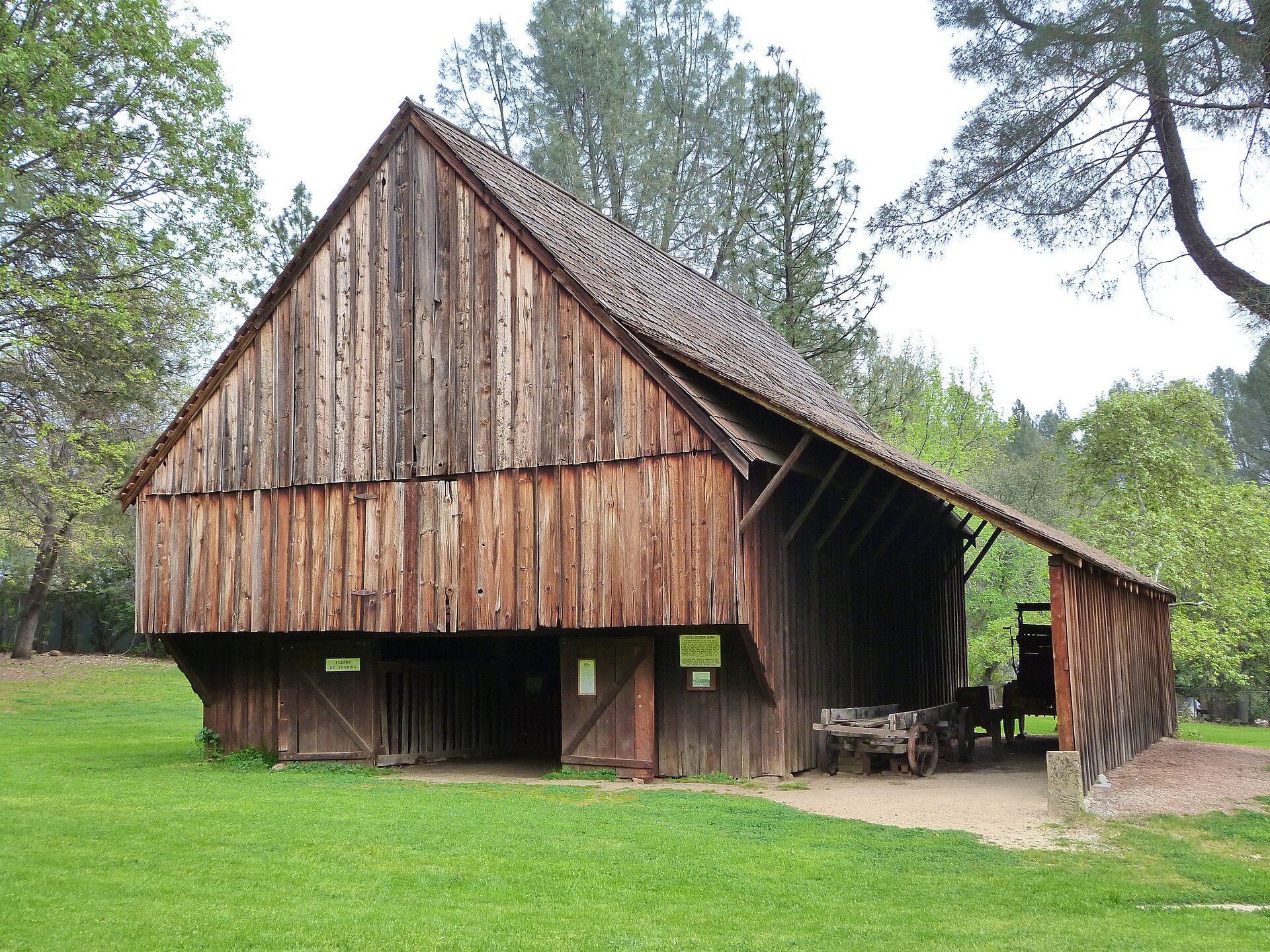
Across Highway 299 stand the preserved brick ruins — roofless walls with iron shutters marking former stores, saloons, bakeries, and stage offices. The Litsch General Store survives as a museum of original merchandise and fixtures, and the Pioneer Barn shelters 19th-century agricultural machinery, hydraulic mining monitors, ore wagons, and a preserved Concord stagecoach.
California’s Oldest Masonic Lodge
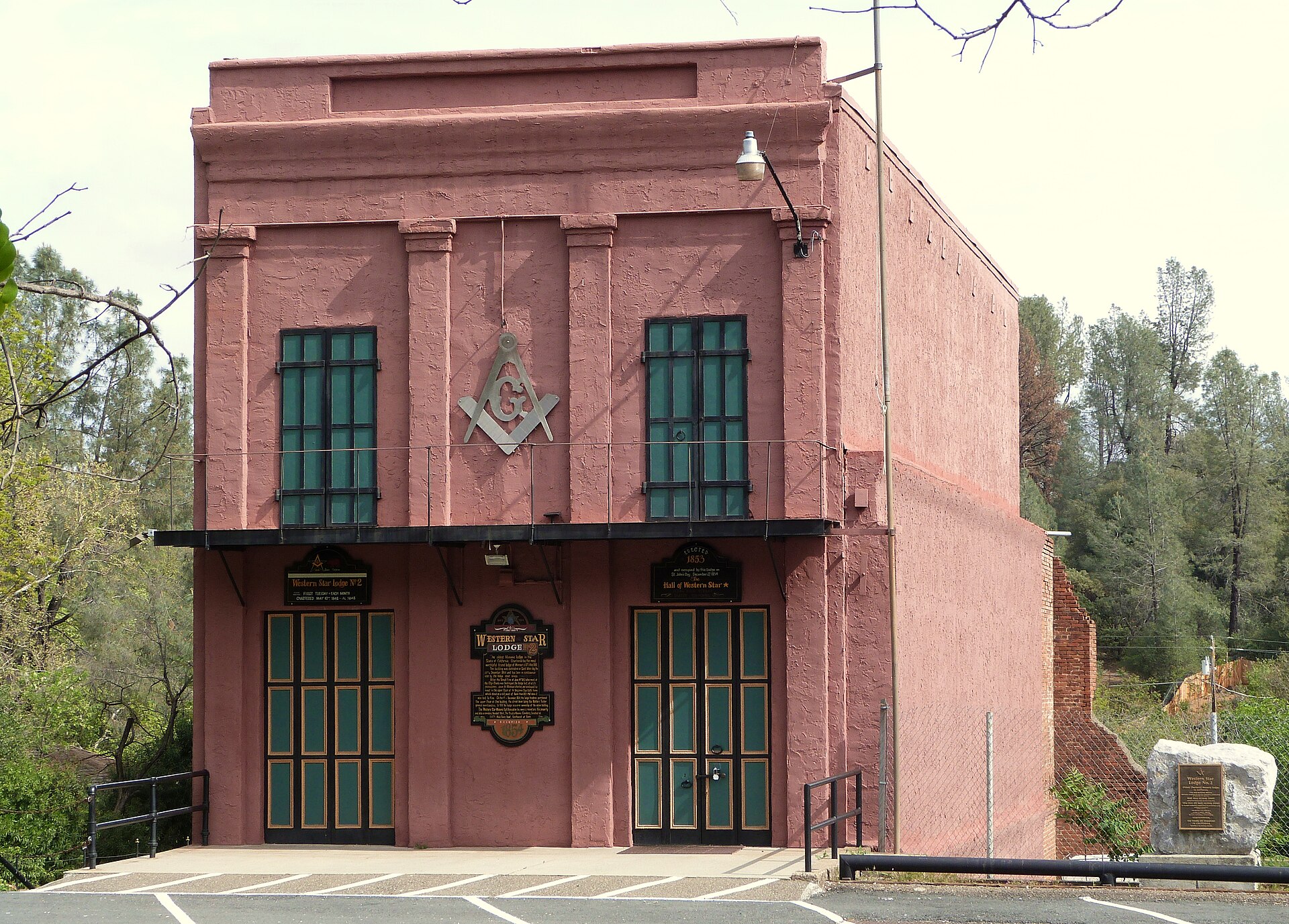
Shasta is home to Western Star Lodge No. 2, recognized as the oldest continuously operating Masonic lodge in California. Its charter was granted in 1848 by the Grand Lodge of Missouri and carried west over the Lassen Cutoff; the lodge organized at Benton City in 1849 and moved to Shasta in 1851. After the 1853 fire destroyed its meeting hall, members salvaged the original charter and, on St. John’s Day in December 1854, marched to their permanent home on the second floor of the brick Norton & Tucker Building, where the lodge room has been in continuous use ever since. Despite being the first chartered lodge to operate in California, an 1850 clerical mix-up left it numbered No. 2 rather than No. 1.
A Harder History: The Wintu
Shasta’s boom came at a devastating cost to the Wintu people, whose lands along Clear Creek and the Sacramento River were overrun by thousands of miners. Historical accounts record violent attacks on Wintu communities in the early 1850s, and a treaty negotiated in 1851 to set aside land for the Wintu was never ratified by the U.S. Senate, leaving Native families without legal protection against displacement and violence. It is a sobering counterweight to the romance of the Gold Rush, and part of the full story of this place.
Timeline
From Interstate 5 in Redding, take the CA-299 West (Eureka Way) exit and drive about six miles. The Courthouse Museum and parking are on both sides of the highway; paved paths and curb ramps make the museum and visitor center wheelchair accessible. Call (530) 243-8194 to confirm hours before you go.
Nearby Ghost Towns & Mining Sites
Shasta sat at the center of a dense web of mining camps and stage stops. Several survive in various states — and several were drowned by the reservoirs behind Shasta and Whiskeytown dams.