Garnet Ghost Town, Montana: Two Gold Rushes, a Depression Revival, and 30 Buildings That Refused to Fall
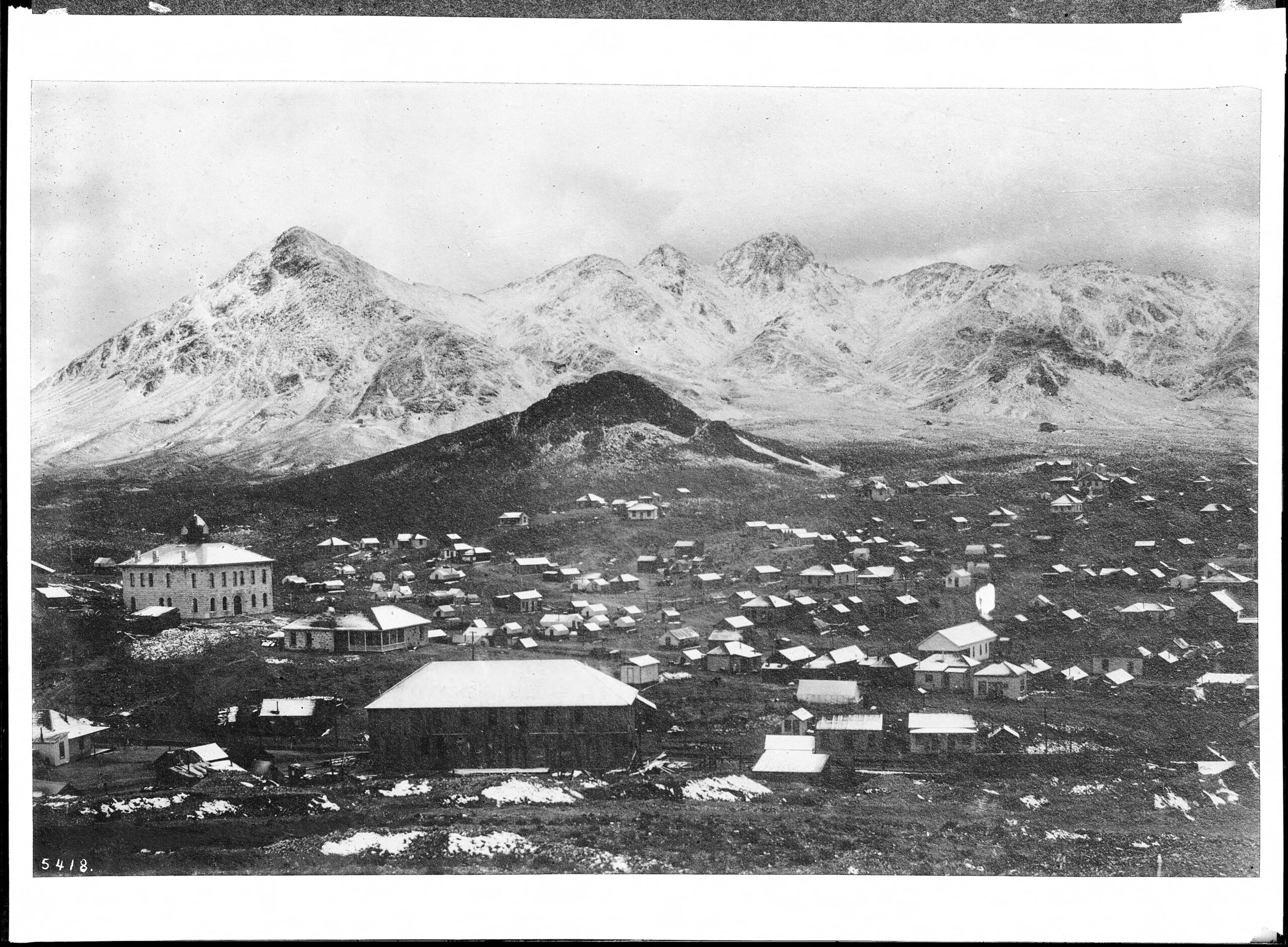
Most ghost towns had one life. Garnet had two. The first came in the 1890s, when unemployed silver miners flooding out of a collapsed market climbed into the Garnet Range of western Montana and found gold. Within a few years, a thousand people lived in a dense cluster of hastily built cabins and saloons at 6,000 feet, and the local newspaper was calling it a “poor man’s paradise.” A fire in 1912 burned half of it down, and the gold eventually ran out.
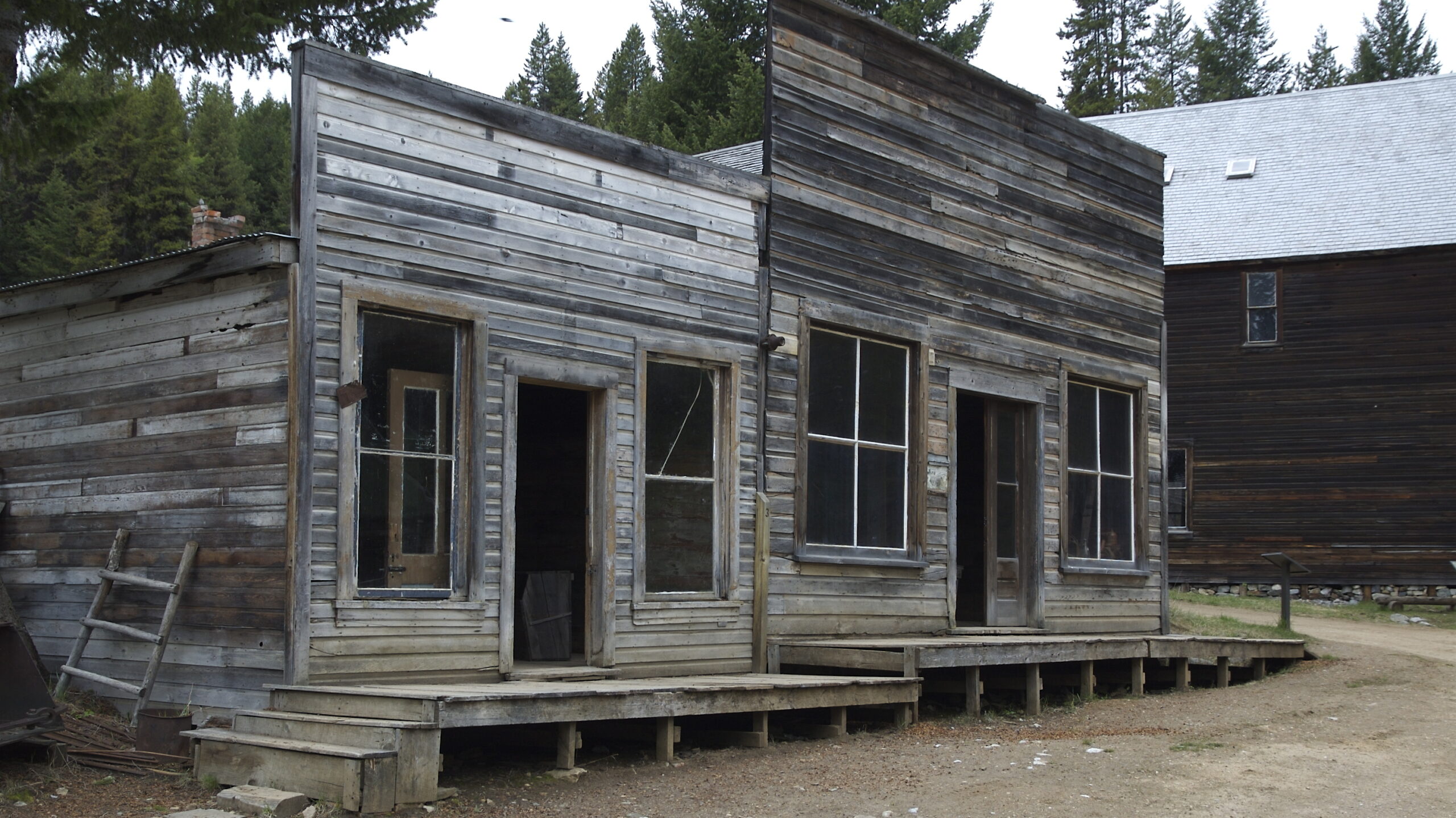
The second life came during the Great Depression, when Franklin Roosevelt raised the price of gold and made it worthwhile again to rework the old tailings. Miners moved back into the abandoned cabins — many still containing the original furniture — and for a decade Garnet was a functioning town again. World War II ended it for good. The last resident, a storekeeper named Frank Davey who had been there since the first boom, died in 1947. His store’s contents were auctioned off in 1948, and Garnet became what it is today: the most intact ghost town in Montana, with more than 30 original structures still standing in the mountain silence.
“Arrested decay” — the BLM’s management philosophy for Garnet — means stabilizing the buildings so they don’t collapse further, without making them look new. The result is something closer to a genuine ghost town than almost anywhere else in the West.”
The Bear Town Toughs and the first rush (1865)
The first gold in the Garnet Range was found not at Garnet itself but at Bear Creek, in 1865 — a placer strike that gave rise to a constellation of camps collectively known as Beartown. At its peak, roughly 5,000 people populated the surrounding area across settlements including Reynolds City, 10 Mile, and Top O’Deep. These early miners earned their nickname from the work itself: placer digging at Bear Creek sometimes required reaching bedrock fifty feet below the surface, in narrow, dark trenches. The men who spent years at it developed stooped backs and bowed legs that reportedly gave them a bear-like appearance.
By 1868, the easily accessible placer gold had largely played out. The Bear Town Toughs dispersed toward silver strikes elsewhere in the Montana Territory, leaving behind the camps and the ongoing question of where the “mother lode” was — the primary quartz vein that had been feeding the placer deposits downstream. That question would go unanswered for another three decades.
The founding of Garnet and the Nancy Hanks mine (1893–1898)
The catalyst for Garnet’s founding was a national financial disaster that had nothing to do with Montana. In 1893, the repeal of the Sherman Silver Purchase Act caused a catastrophic collapse in silver prices, shuttering mines across the West overnight — including the famous Granite mine near Philipsburg, one of the richest silver operations in the country. Thousands of suddenly unemployed silver miners looked for alternatives, and many turned back to the gold-bearing terrain of the Garnet Range.
In 1895, Drs. Armistead Mitchell and Charles Mussigbrod constructed a ten-stamp mill at the head of First Chance Gulch, making hard-rock gold mining economically viable in the remote range for the first time. The settlement that grew around it was initially named Mitchell, after the doctor, before being renamed Garnet in 1897 to reflect the semi-precious ruby-colored stones characteristic of the range’s geology.
The decisive event that transformed the camp into a genuine boomtown was Samuel Ritchey’s breakthrough at the Nancy Hanks Mine. Ritchey had worked the Garnet area intermittently since the 1870s, pursuing the mother lode that the Bear Town Toughs had never found. In 1895, after thirty years of searching, he located the red, iron-stained quartz of the primary vein. The Nancy Hanks became the leading producer in the district, yielding hundreds of thousands of dollars in gold at a time when gold was worth roughly $16 to $20 an ounce.
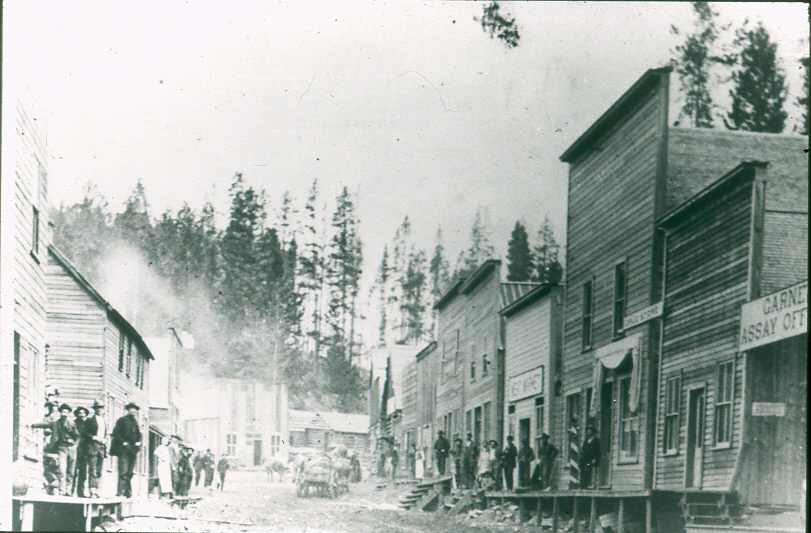
By January 1898, Garnet’s population had reached approximately 1,000 to 1,200 people. The commercial district included 13 saloons, 4 hotels, 4 stores, 3 livery stables, a school, a jail, a union hall, and a doctor’s office. Construction was hasty and haphazard — most buildings lacked proper foundations and were erected directly on active mining claims. It was not unusual for a resident to return home to find a mineshaft being sunk in their front yard. Despite this, the community had a genuine social life: dances, parties, picnics, and fishing trips. The local paper described it as a “poor man’s paradise,” noting the cooperative relationship between independent mine owners and the miners’ union — a contrast to the corporate-dominated labor strife of Butte.
Decline and the 1912 fire
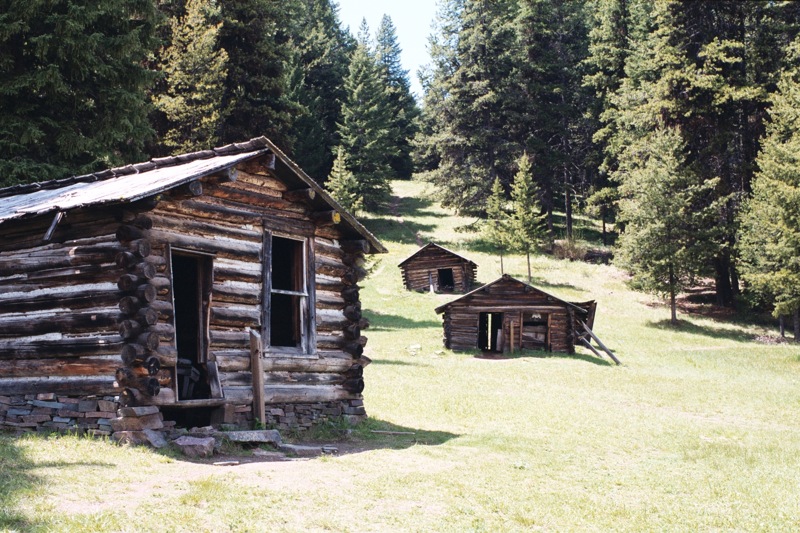
Garnet’s first decline followed the familiar pattern of high-grade ore towns. By 1900 the richest veins were exhausted, and mining became deeper and more expensive. By 1905 the population had fallen to roughly 150 as claim owners leased out their properties to smaller operators. Then, in 1912, a fire started in the Lyle & Fitzgerald saloon inside the Garnet Hotel and consumed roughly half the business district. The town was built primarily of wood and had no organized fire department; the blaze was devastating and largely irreparable. World War I drained the remaining population further as residents left for employment elsewhere.
The Roosevelt revival (1934–1941)
What sets Garnet apart from most ghost towns is what happened next. In 1934, President Roosevelt’s Gold Reserve Act raised the price of gold from approximately $16 to $32–$35 an ounce — effectively doubling the value of every ounce of ore in the old Garnet tailings dumps. Reworking the low-grade material that the original miners had discarded became profitable almost overnight.
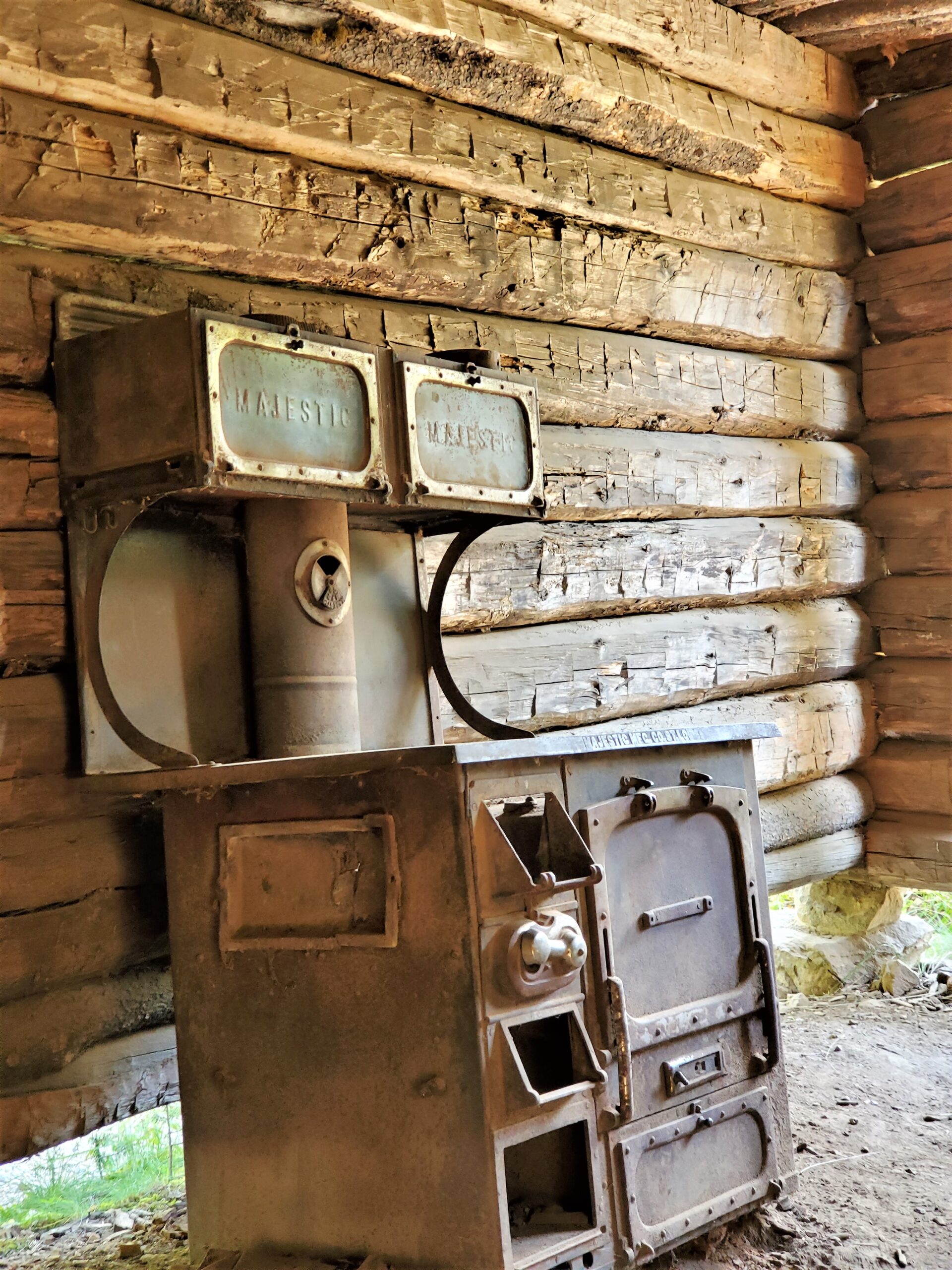
A new wave of miners moved back into Garnet, occupying the cabins that had sat empty for decades — many still furnished with the original 1890s residents’ belongings. The revival population reached roughly 250 people, enough to warrant a new one-room schoolhouse, built in 1937. This is the schoolhouse visible at the site today; the original 1897 school did not survive.
The revival ended abruptly in 1941. The United States’ entry into World War II triggered federal restrictions on the use of dynamite for non-strategic purposes, effectively shutting down hard-rock gold mining across the country. The miners left again, and this time they didn’t come back.
Frank Davey and the final years
The last holdout was Frank A. Davey, who had arrived in Garnet during the first boom in 1898 and never really left. For five decades he operated the general store that served as the community’s hub — selling dry goods, mining tools, and cuts of meat from the attached icehouse, weighing gold, running the post office, and functioning as the institutional memory of the town through both its lives. Davey died in 1947. The store’s contents were auctioned off in 1948, and Garnet became a ghost town in the complete sense: no residents, no commerce, no purpose except survival.
Davey’s store is among the best-preserved structures at the site. Visitors can still see the original shelving and — most unusually — the secret gold compartment hidden in the icehouse walls, where Davey stored the gold he collected from miners in exchange for supplies.
The 1990 Lehsou gold discovery
In 1990, a cardboard box turned up in a bank vault in Missoula containing 77 gold nuggets and a vial of gold dust. The gold had been deposited by John C. Lehsou, an early prospector in First Chance Gulch who had died in 1921, and had sat untouched in the vault for nearly 70 years. The discovery provided a tangible confirmation of the richness of the Garnet claims and a direct physical link to the men who had built the town — gold that had been sitting in a Missoula bank through the Depression, through World War II, through the entire period of the town’s abandonment and rediscovery.
Folklore: the sounds of Garnet
Garnet has a particularly well-developed haunting tradition, centered on a specific and recurring claim: sound rather than sight. The most frequently reported experience is music, laughter, and dancing heard from Kelly’s Saloon — particularly in the winter months, when the town is empty and accessible only by snowmobile or ski. According to the local lore, the sounds stop the moment anyone approaches the door.
Other recurring figures include the ghost of Frank Davey himself, reportedly seen as a white-haired man in a three-piece suit glaring from the doorway of the icehouse where he once kept his gold lockbox. Footsteps on the upper floors of the J.R. Wells Hotel, and doors opening and closing in unoccupied rooms, are reported by caretakers who winter at the site.
Surviving structures
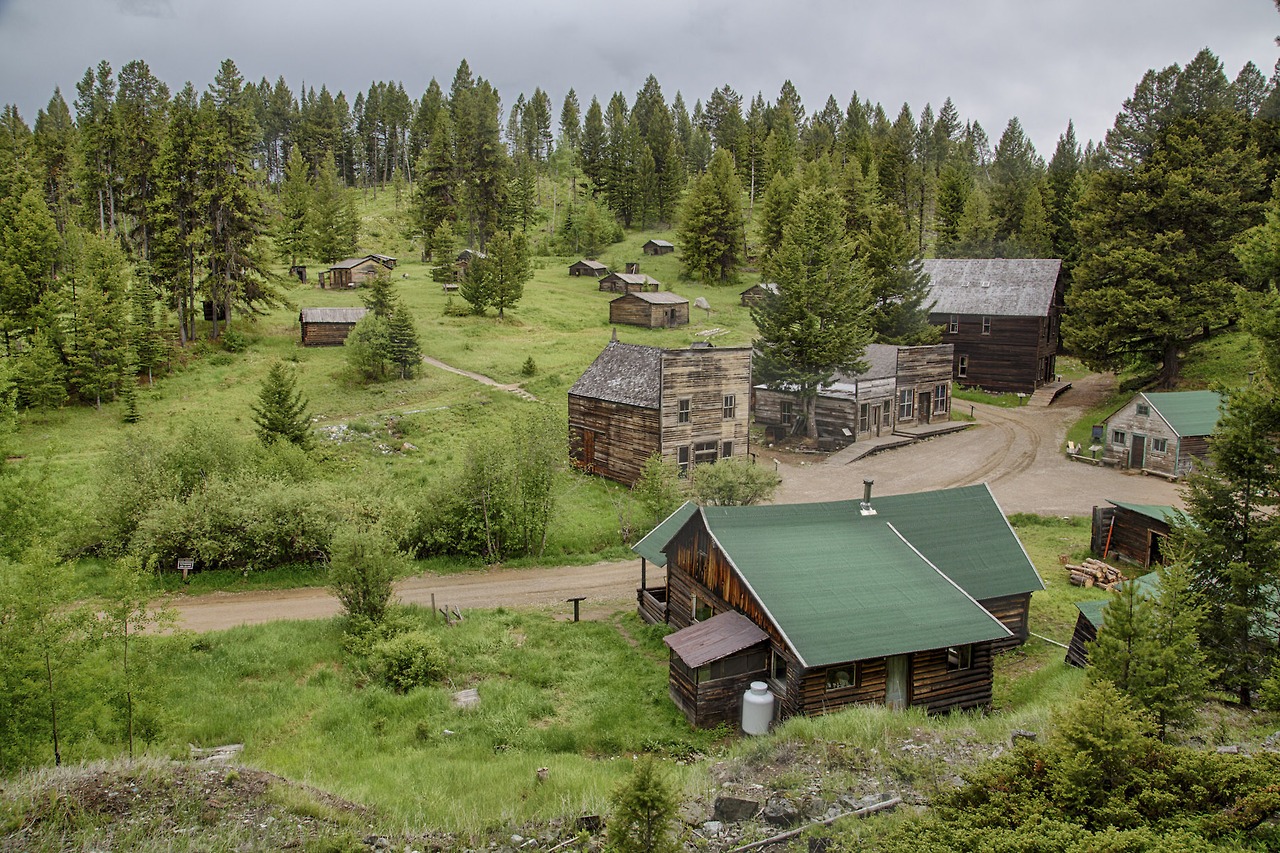
The survival of over 30 buildings at Garnet is a product of geography as much as stewardship. The remoteness of the Garnet Range — no road access in winter, 11 miles of mountain road in summer — meant the site was never systematically looted or developed. The BLM and the Garnet Preservation Association manage the site under a “arrested decay” philosophy: structural stabilization to prevent further deterioration, without reconstruction or cosmetic restoration.
Key structures include the J.R. Wells Hotel (three stories, built on corners of piled rock, with a reproduction of the bannister that looters stole in the 1940s); F.A. Davey’s Store with its intact original shelving and hidden gold compartment; Kelly’s and Dahl’s Saloons; and the 1937 schoolhouse, built during the Roosevelt revival. The 1897 schoolhouse did not survive, but its replacement gives visitors a clear picture of the revival-era community.
Timeline
Ghost towns nearby
Further reading
Sources
Bureau of Land Management — Garnet Ghost Town official BLM page (hours, fees, access, routes)
BLM — The Road to Garnet’s Gold (PDF) — primary historical source on town development and individual biographies
Garnet Ghost Town official site — History · Contact & fees · Directions
University of Montana — “Garnet Offers Montana’s Best Preserved Ghost Town”
Western Mining History — Garnet, Montana
Legends of America — Garnet — Montana’s Best Kept Ghost Town Secret
Southwest Montana — Garnet: Gold and Ghosts (ghost lore documentation)
Past Prologue: Histories — Garnet Ghost Town, Montana 1895–1948 (structural history, Frank Davey biography)
Montana Historic Preservation — Garnet Historic District
More ghost towns in Montana: Virginia City, Bannack