Bannack Ghost Town, Montana: Gold Rush, Vigilantes & Montana’s First Territorial Capital
In the summer of 1862, a party of prospectors turned back from the overcrowded Idaho goldfields and struck gold along a creek in southwestern Montana. Within a year, more than 3,000 people had poured into the gulch, throwing up saloons, hotels, bakeries, and brothels along what would become Bannack’s Main Street. Montana had its first city — raw, lawless, and spectacularly alive.
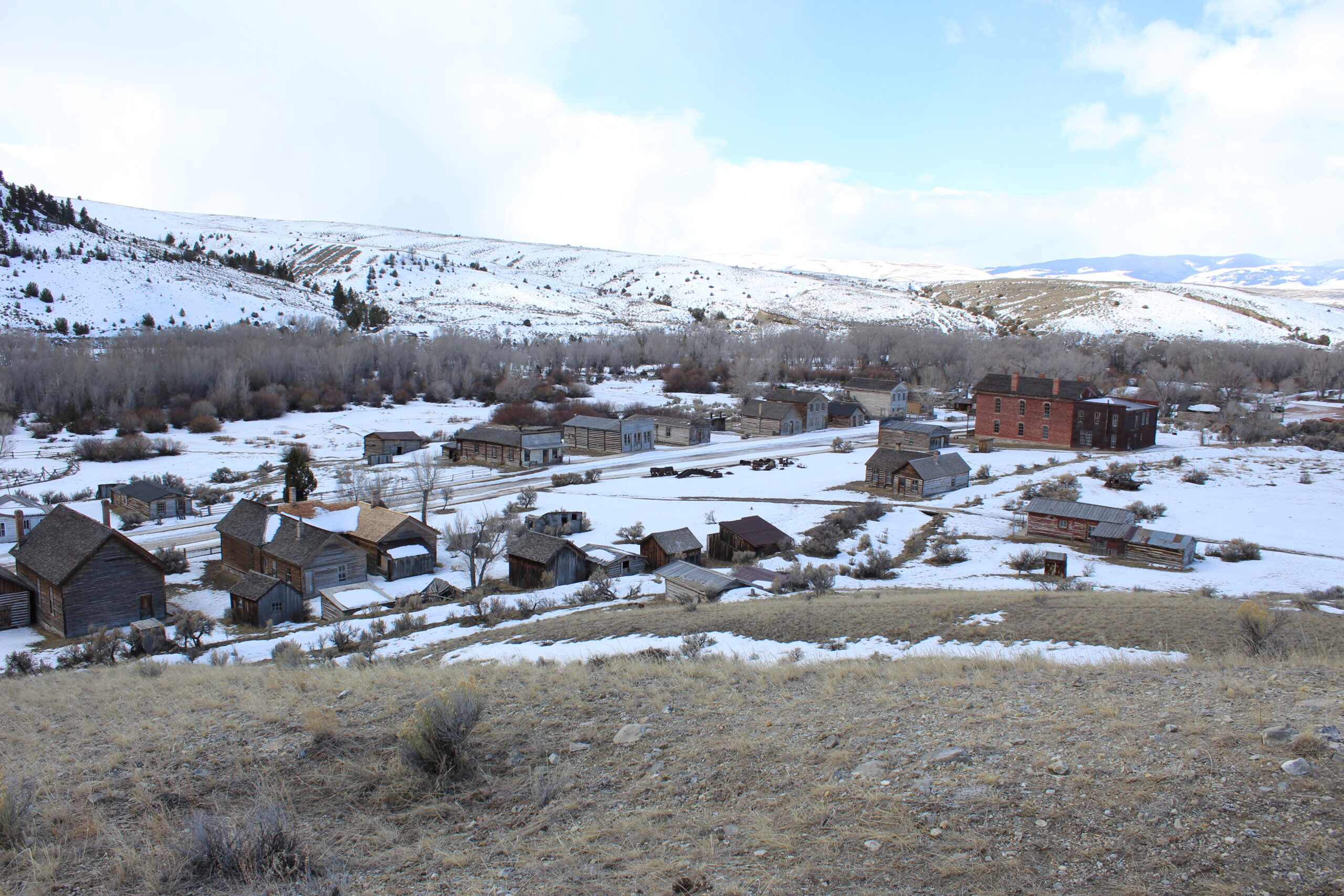
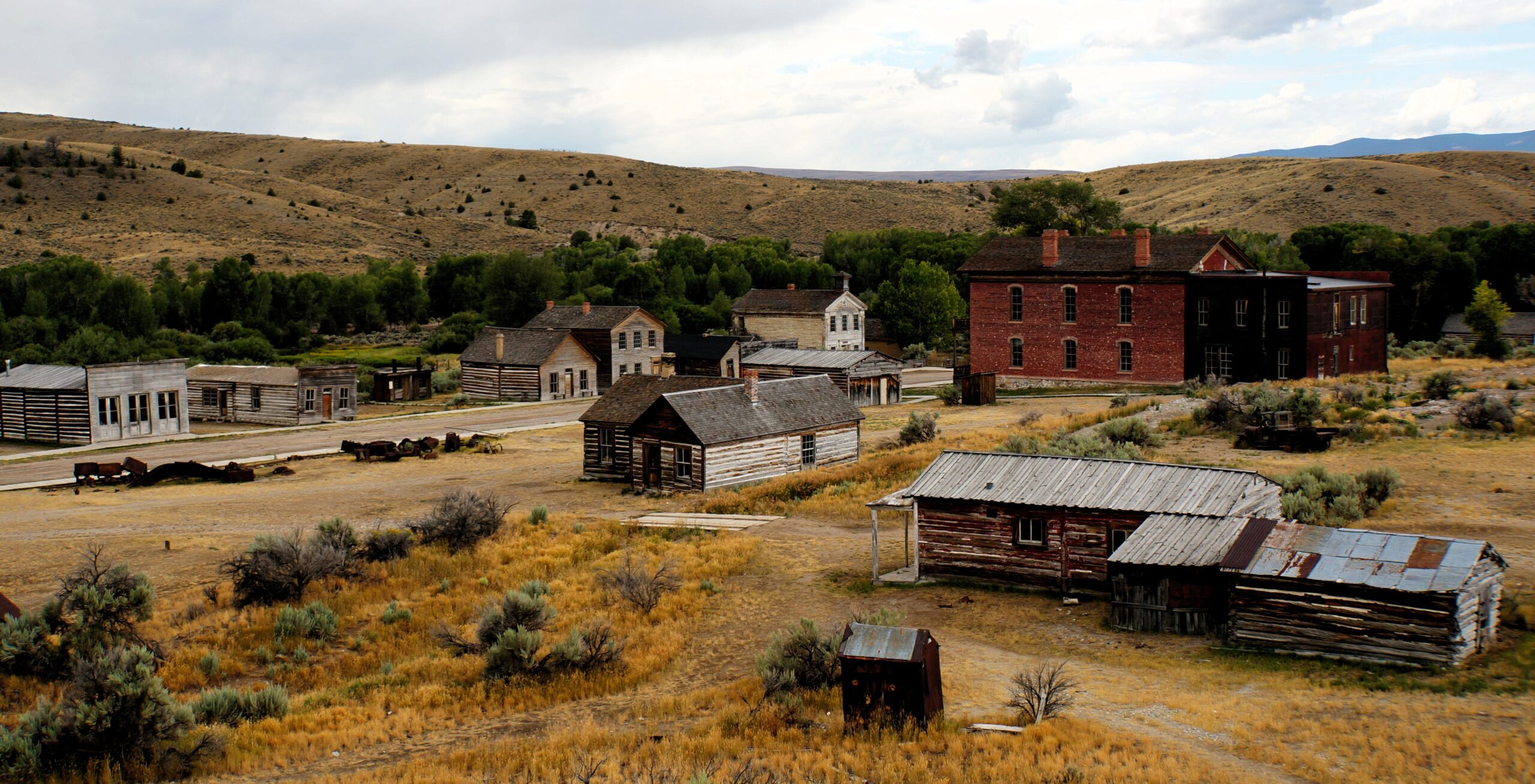
It didn’t stay that way for long. By 1865 the territorial capital had moved on, the richest gravels were played out, and the tide of miners followed newer strikes elsewhere. What remained was a skeleton town that lingered for decades, the last resident receiving mail until 1938. Today Bannack is one of the best-preserved ghost towns in the American West — over 50 buildings still standing, managed as a Montana State Park and National Historic Landmark, where the sense of abandonment is preserved as deliberately as the buildings themselves.
“Bannack is not a reconstruction or a museum exhibit. It is the real thing — a place where history didn’t just happen, it stayed.”
But Bannack’s story is more than a gold rush arc. It is the place where Montana’s first territorial legislature convened, where an elected sheriff was dragged from his cell and hanged by vigilantes, and where the question of who gets to enforce the law on a lawless frontier was answered with a rope.
The gold strike and the rush
The discovery is credited to John White and William Eads, members of a westward-bound party who turned back from the overcrowded Idaho diggings and found gold on Grasshopper Creek — then called Willard’s Creek — on July 28, 1862. The strike was large enough to sustain not just miners but an entire supply economy almost immediately. Within months, Main Street was lined with saloons, hotels, a bakery, a butcher, and all the infrastructure of a functioning frontier town.
The University of Montana’s historical record puts the town population at over 3,000 by spring 1863, with another approximately 2,000 living in satellite settlements in the same gulch — small camps called Marysville, Bon Accord, New Jerusalem, and Dogtown. The broader district may have housed over 5,000 people at its peak.
Montana’s first territorial capital
Bannack’s importance extended well beyond its mines. When Congress created Montana Territory in 1864, Bannack was the logical seat of government — the largest and most established settlement in the region. The first territorial legislature convened there on December 12, 1864, making Bannack, however briefly, the center of political life in a territory the size of several eastern states combined.
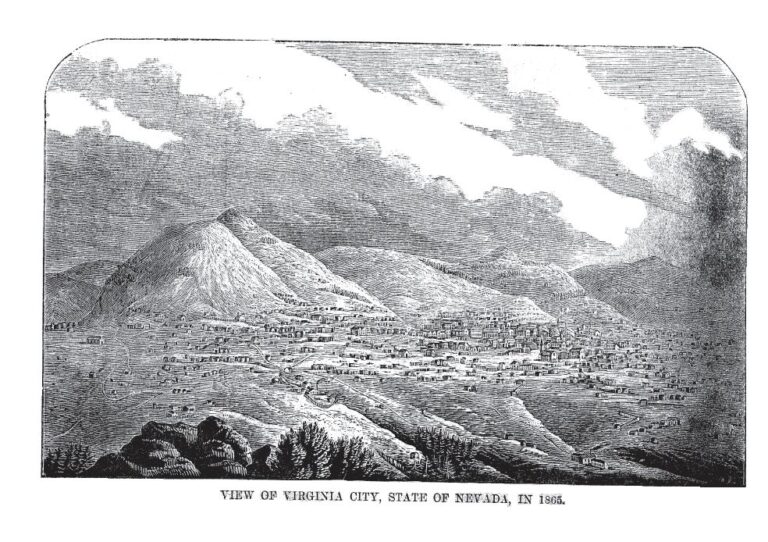
That status was always temporary. The gold strikes at Virginia City and Alder Gulch were richer and drew larger populations, and the territorial capital shifted there within a year. Bannack was left with its mines and its memories — and its reputation for violence.
The vigilantes and Sheriff Henry Plummer
No story defines Bannack more than the execution of Henry Plummer. Plummer had arrived in 1862, quickly made himself useful in town affairs, and was elected sheriff in 1863. By early 1864, a self-organized group of vigilantes had decided Plummer was not just a corrupt lawman but the secret leader of a road-agent gang called “the Innocents,” responsible for dozens of robberies and murders along the territory’s freight routes.
On January 10, 1864, vigilantes seized Plummer and two of his deputies and hanged all three at the Bannack gallows. Over the following weeks, the vigilantes hanged more than twenty other men across the territory.
The Hotel Meade and surviving structures
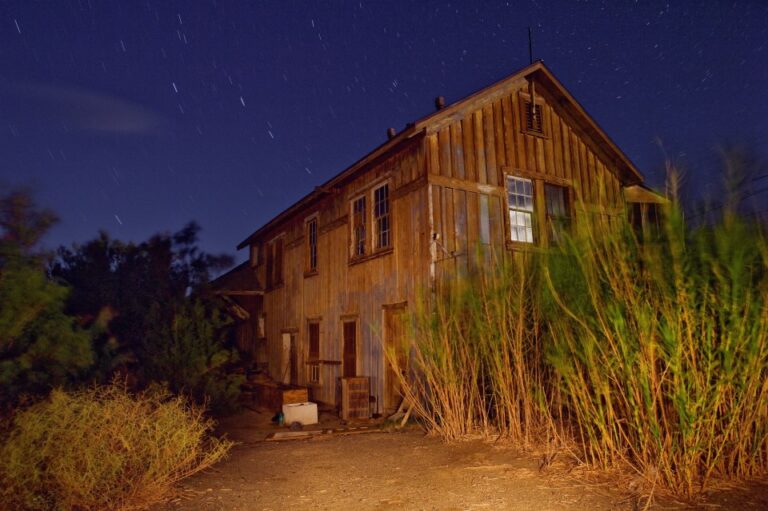
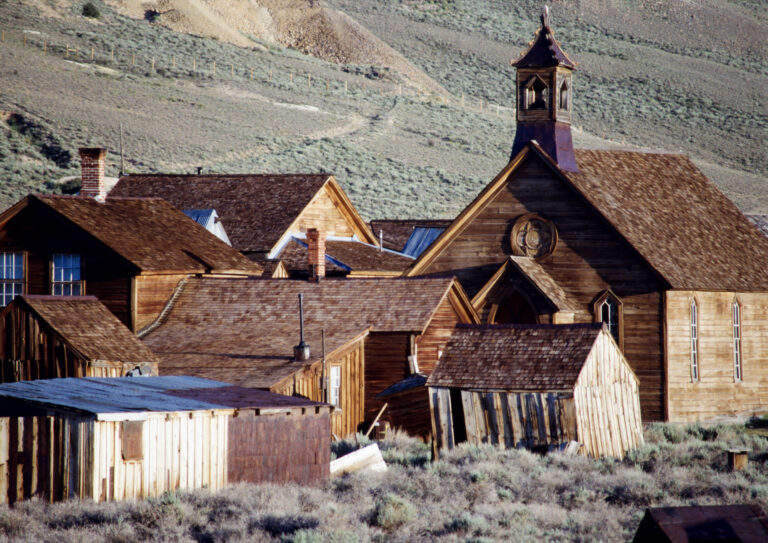
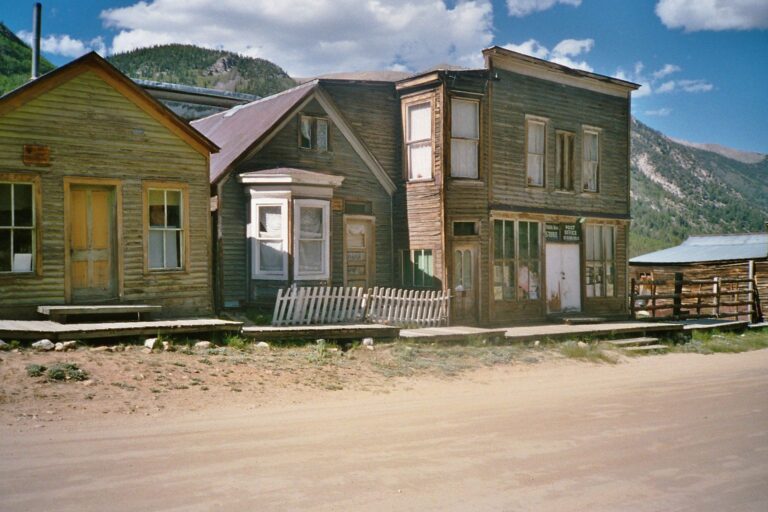
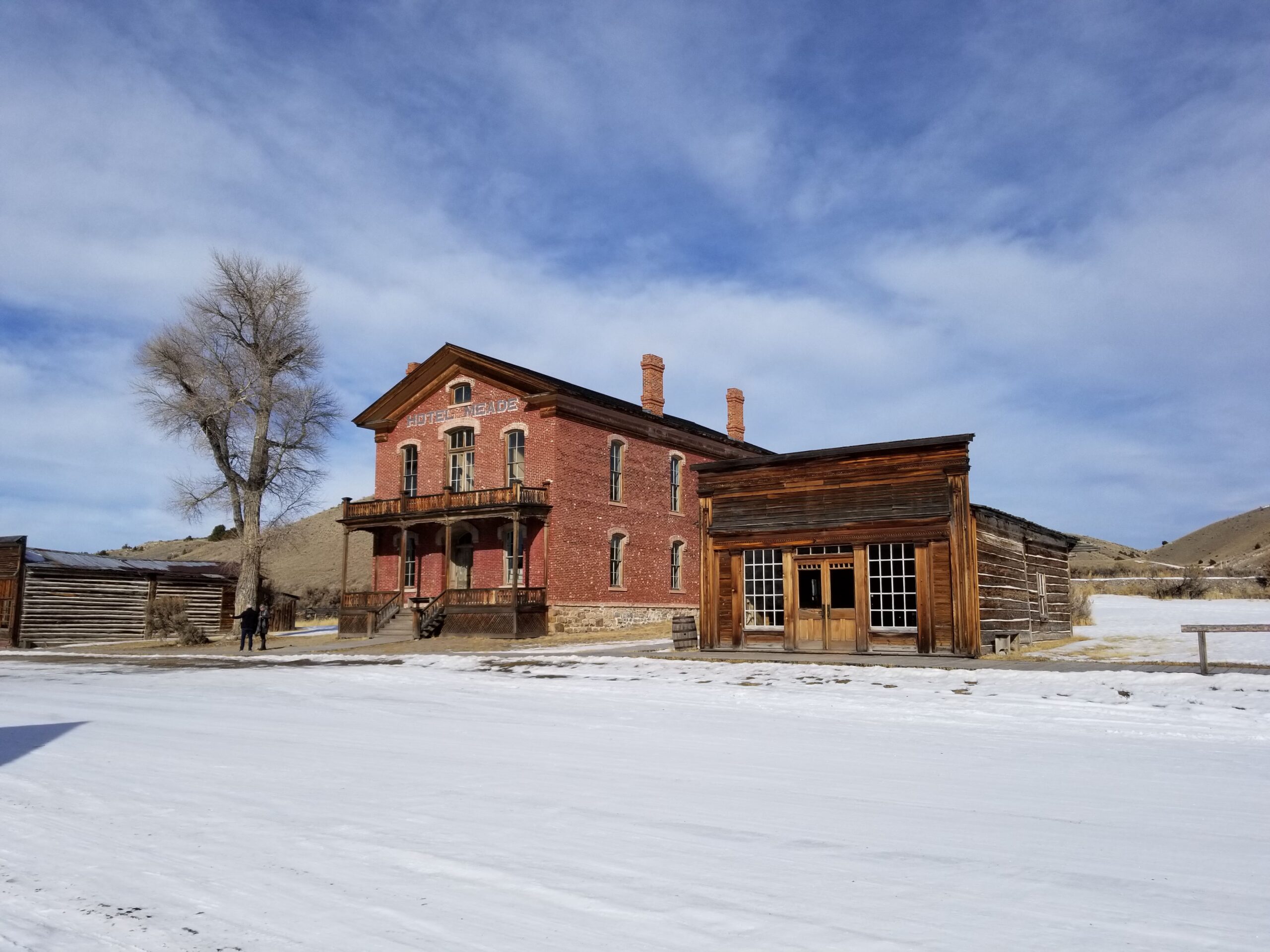
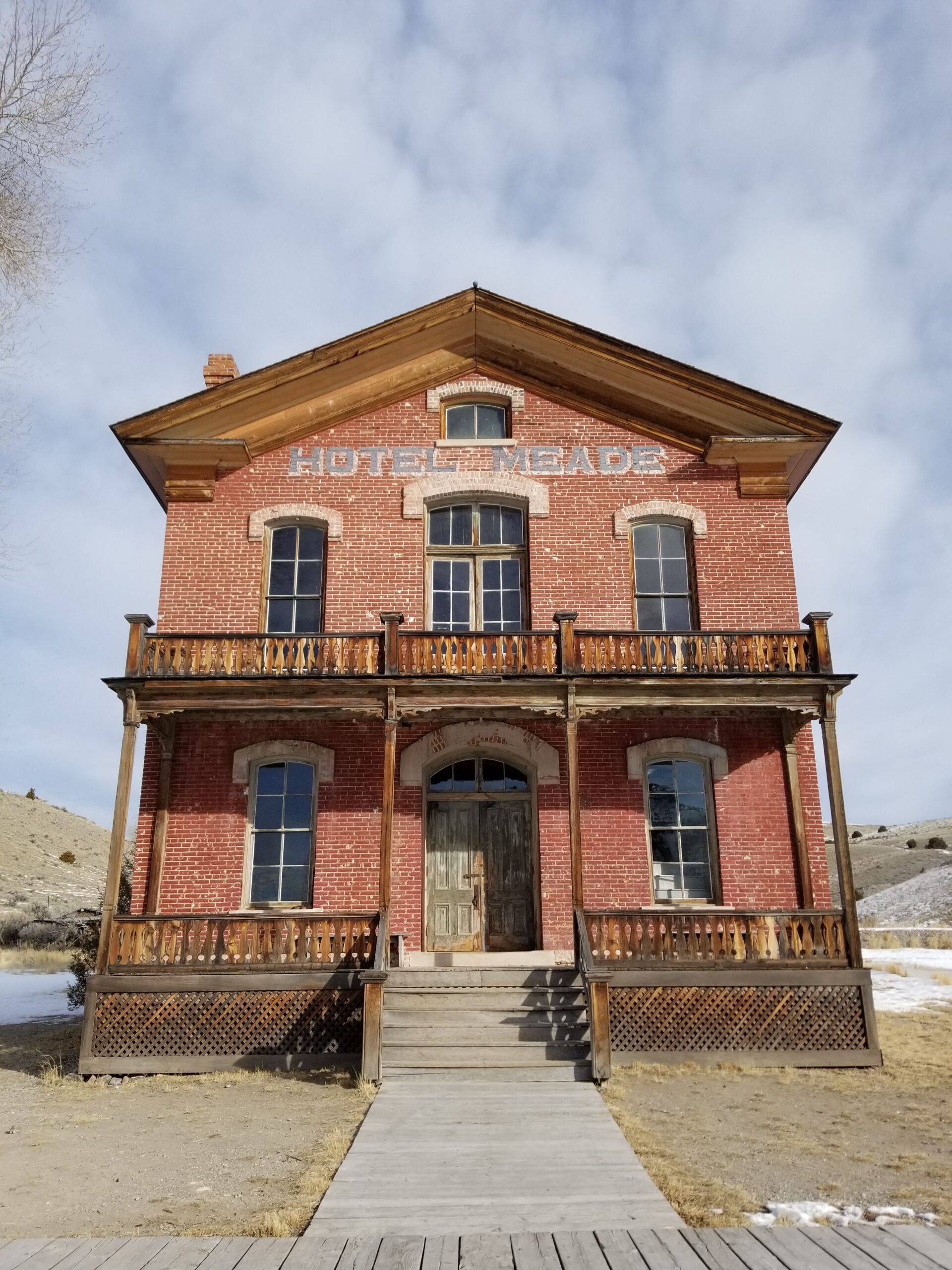
Walking Bannack today, it is the sheer number of surviving buildings that surprises most visitors. Over 50 structures still line the townsite — an extraordinary survival rate for a frontier mining camp. The Hotel Meade is the architectural centerpiece: built in 1875 as the Beaverhead County courthouse, it was later converted to a hotel and operated into the early 20th century. Its spiral staircase — still intact — is one of the most photographed features in any Montana ghost town.
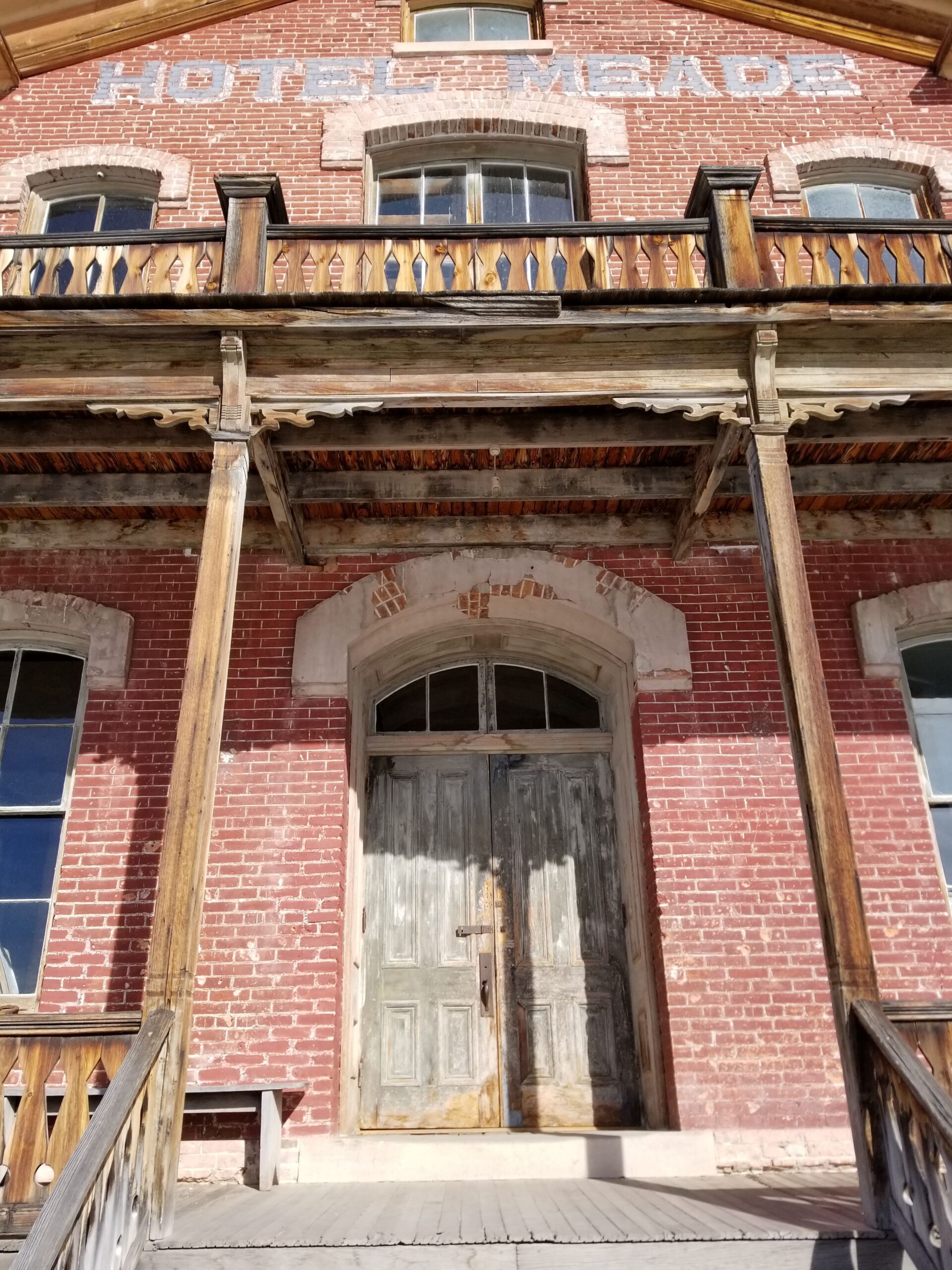
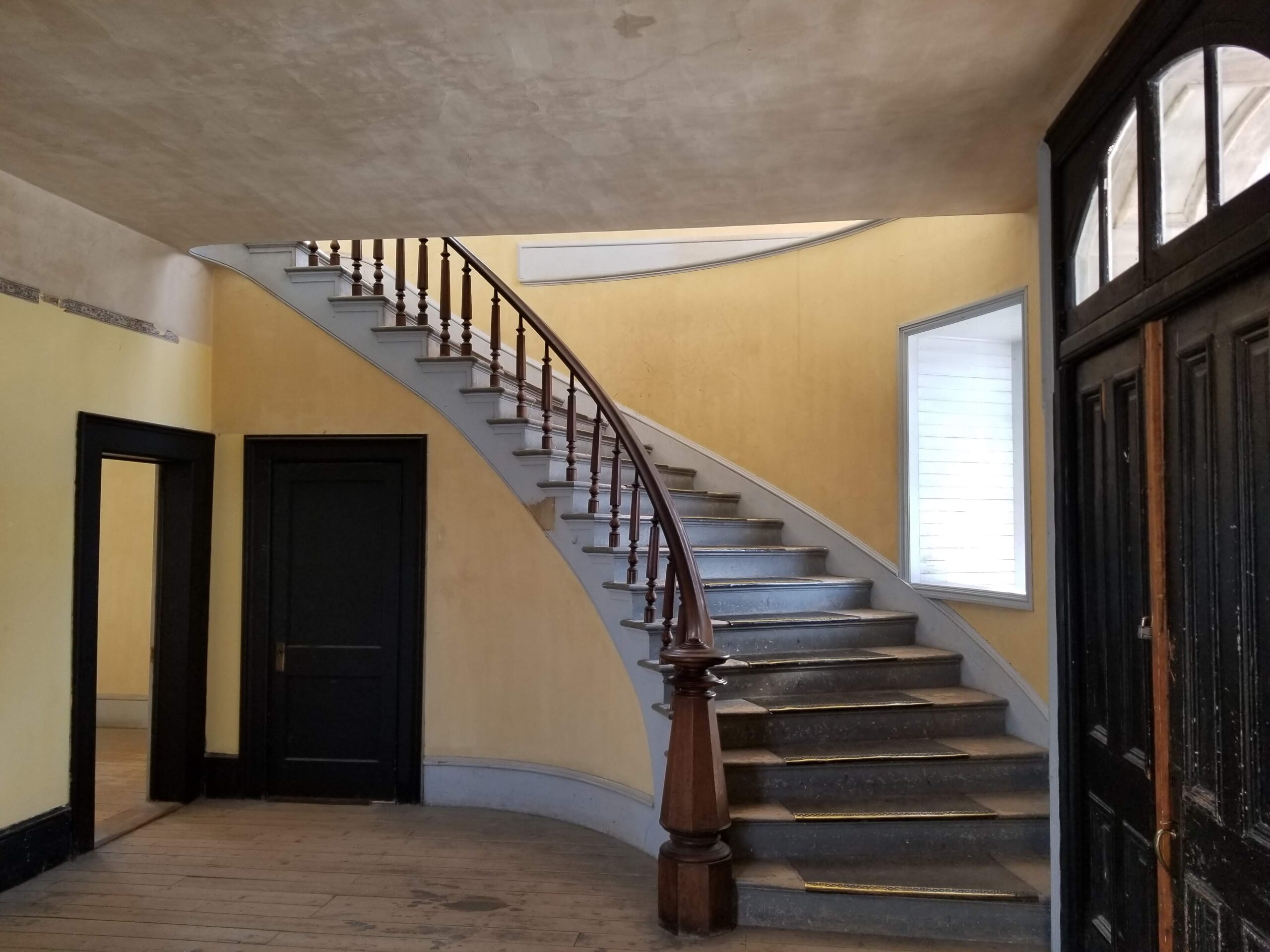
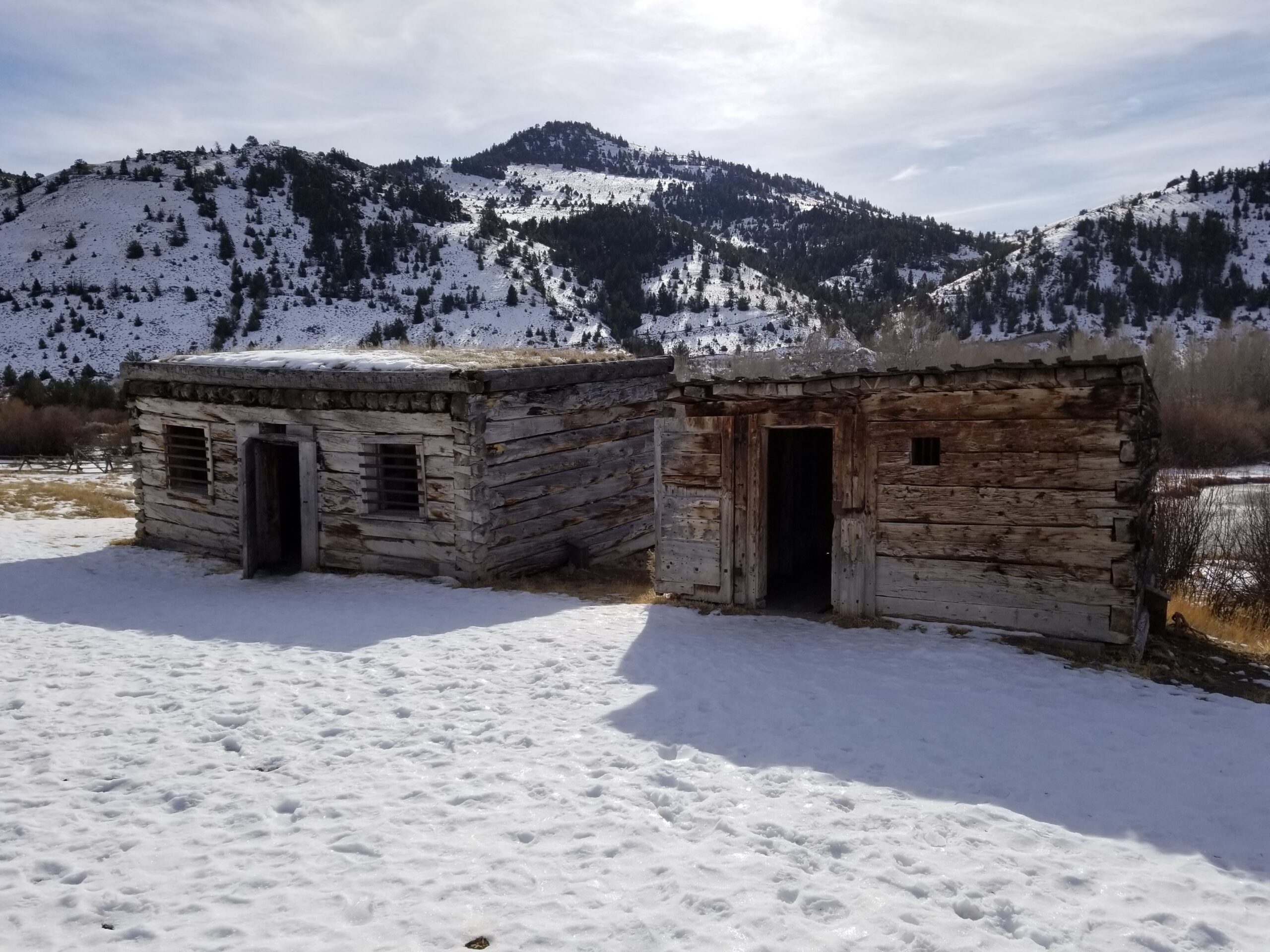
Other notable surviving structures include Skinner’s Saloon (used as a headquarters by the vigilante organization), the Methodist Church, a combined Masonic Lodge and schoolhouse, and the rough-cut log jailhouse where Plummer spent his last hours.
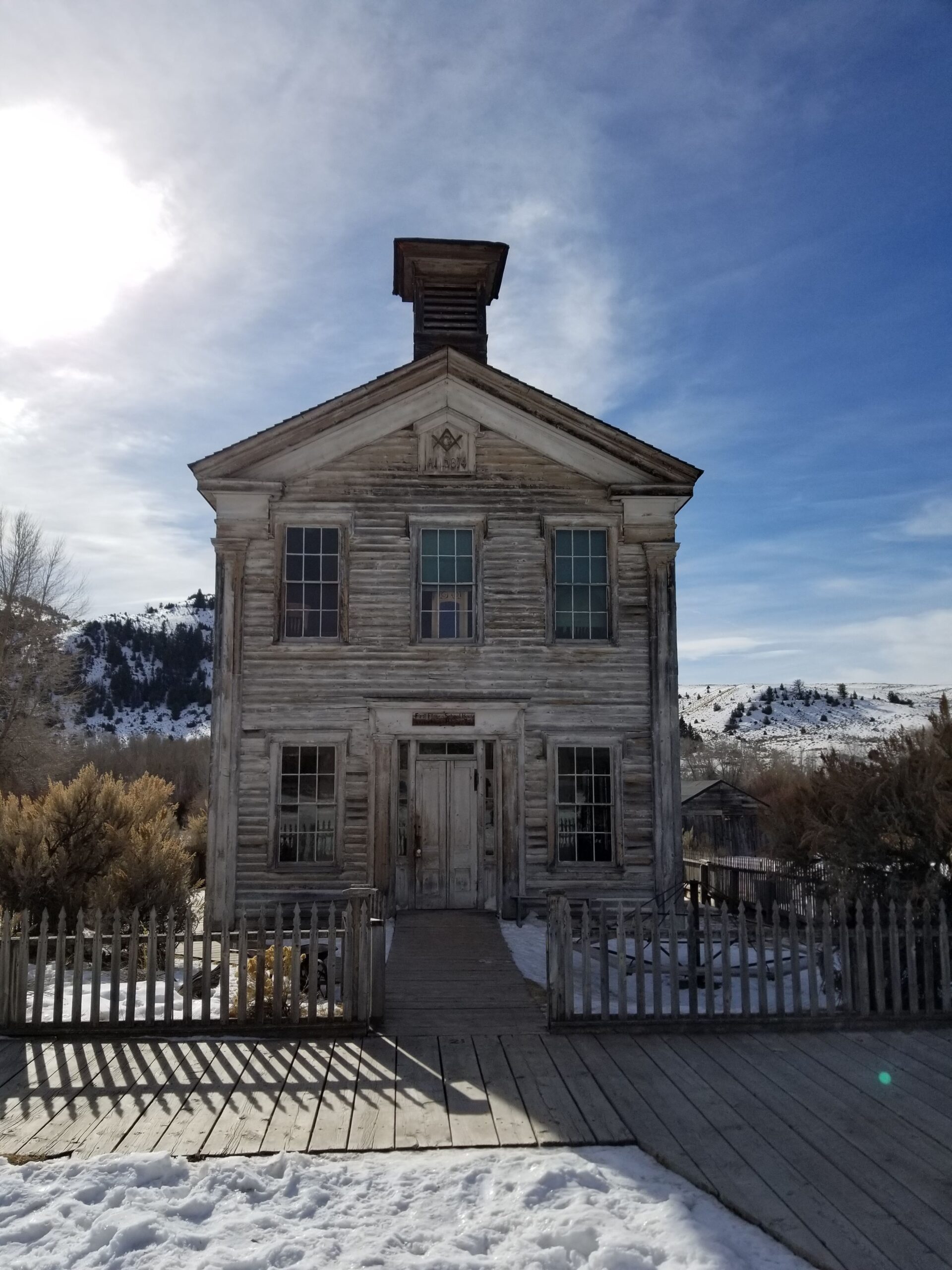
Decline, abandonment, and preservation
Bannack’s decline followed the familiar pattern of western placer towns. The richest surface gravels were exhausted by the late 1860s, and miners followed newer strikes to Virginia City, Helena, and beyond. Technological revivals — hydraulic mining in the 1870s, dredging beginning around 1895 — brought temporary repopulations but not sustained recovery. By the time the post office closed in 1938, Bannack had been functionally dead for decades.
Preservation came through the efforts of Mable Ovitt, a local historian who moved to Bannack, published a history of the town in 1952, and campaigned for its protection. Her advocacy contributed to Bannack’s National Historic Landmark designation in 1961 and its development as a state park. Ovitt is buried in Bannack’s cemetery — the last recorded burial there.
A damaging 2013 flash flood affected approximately 50 of the park’s ~60 historic buildings, requiring extensive cleanup and repair work. More recently, a major boardwalk and ADA accessibility upgrade — totaling roughly 2,800 feet of boardwalk — was completed in 2024–2025.
Legends and folklore
Bannack has acquired a vigorous haunting tradition. Stories of apparitions — a “woman in a blue dress” is the most frequently reported — center on the Hotel Meade, the saloons, and several private houses. The state park leans into this with its annual Ghost Walk, held each October, where visitors tour the darkened townsite with live actors portraying historical figures. Tickets typically sell out and are released in September.
The vigilante code “3-7-77” — numbers that appeared on warning notices left for those ordered to leave the territory — is Montana’s most enduring frontier mystery. The Montana Highway Patrol still uses the symbol on its shoulder patches. Historians have found no record of it predating a late-19th-century newspaper mention, and its meaning remains genuinely uncertain.
Timeline
721 Bannack Rd, Dillon, MT 59725
Ghost towns nearby
Further reading
Sources
Montana Fish, Wildlife & Parks — Bannack State Park official site (hours, fees, contact, events)
Montana Fish, Wildlife & Parks — Bannack National Historic Landmark Preservation Plan (PDF)
Montana Outdoors — “Where the West Comes Alive” (PDF) — condition reporting, flood impacts, folklore
National Park Service — Bannack National Historic Landmark nomination text
Montana Historical Society — Traditionalist vs. revisionist vigilante historiography
University of Montana — “This is Montana”: Bannack Part 1
Project Gutenberg — Dimsdale, The Vigilantes of Montana (full text)
Montana FWP — Bannack Boardwalk ADA Upgrade Environmental Assessment 2024 (PDF)
More ghost towns in Montana: Virginia City, Garnet