St. Elmo Ghost Town, Colorado: The Best-Preserved Town in the Rocky Mountains
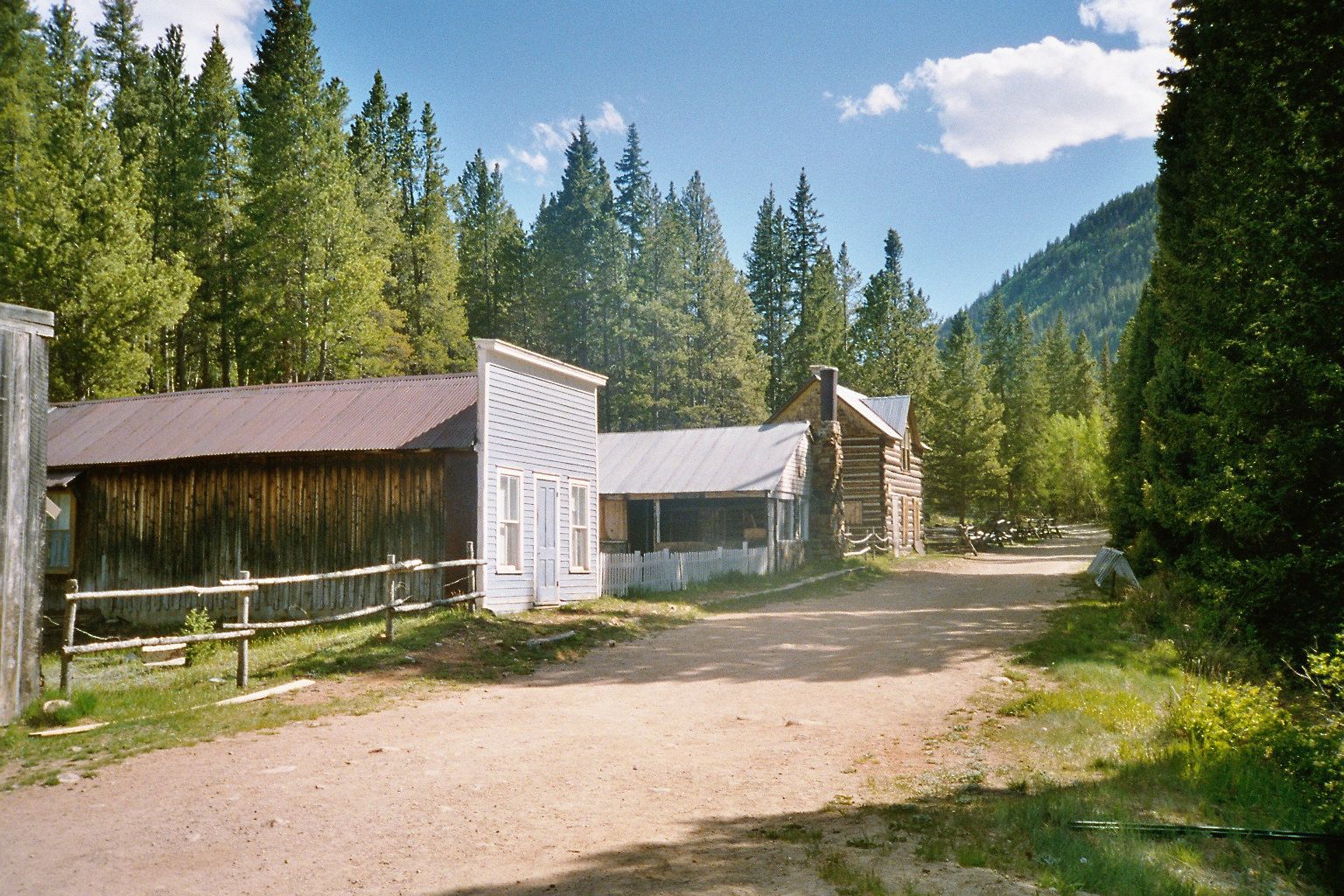
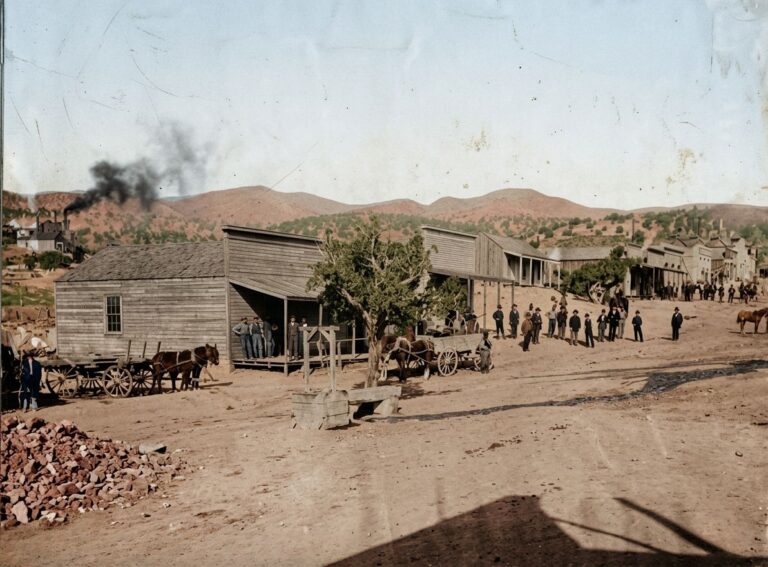
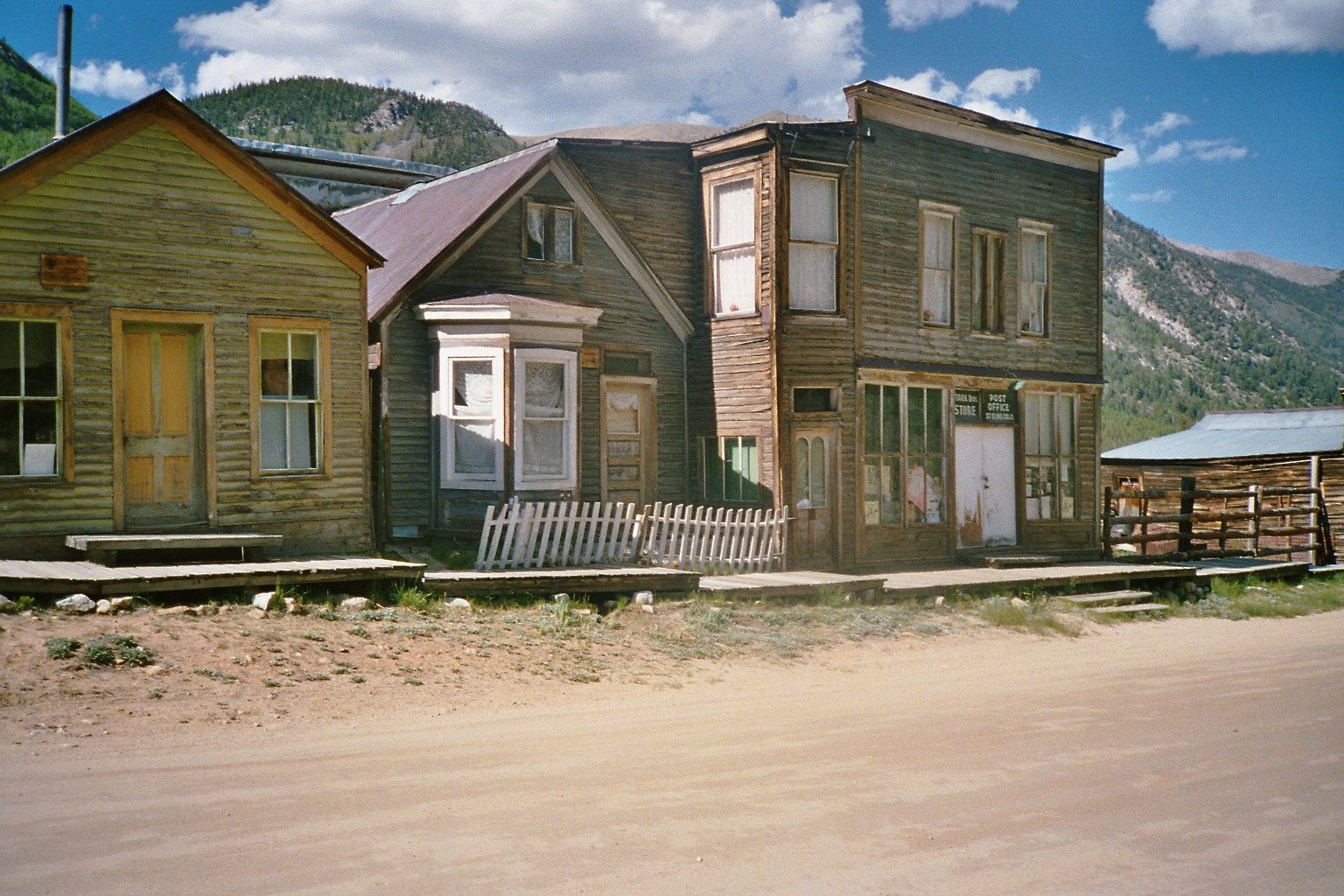
Most ghost towns leave you with foundations, chipmunks, and imagination. St. Elmo leaves you with an entire town. Original wooden storefronts, a schoolhouse, a mercantile building with its upstairs living quarters still intact — all standing at 10,000 feet in the Colorado Rockies, exactly as they were left when the last miners departed in the 1920s. St. Elmo peaked at around 1,800 people in the mid-1880s, survived a devastating fire, outlasted the silver crash, and still stands today as one of the most remarkable ghost towns in America. And unlike most of its counterparts, it’s accessible by regular car.
“St. Elmo is unique for the high degree of architectural integrity it retains as a late-19th-century mining town.” — Historic American Buildings Survey (HABS), Library of Congress
Origins — a crossroads in the mountains
The story of St. Elmo begins with gold and silver in the Upper Chalk Creek district of Chaffee County, Colorado. The Mary Murphy Mine — attributed to prospectors John Royal and A. E. Wright — was the anchor discovery that attracted the merchant-entrepreneurs who actually built the town. Griffith Evans, his brother John Evans, and rancher Charles Seitz claimed a townsite in 1880, originally calling it Forest City. When the U.S. Post Office objected to that name being already in use elsewhere, the founders renamed it St. Elmo.
St. Elmo’s location made it more than just a mining camp — it was a transportation crossroads. In the early 1880s, toll-road traffic moving between major Colorado mining regions passed through the Chalk Creek valley, giving the town a commercial importance beyond its own mines. Then came the railroad.
The railroad — lifeline and eventual death sentence
The arrival of the Denver, South Park and Pacific Railroad in the early 1880s transformed St. Elmo’s economic position. The railroad didn’t just carry ore — it connected the town to markets, reduced supply costs, and enabled the kind of capital-intensive hardrock mining that the Mary Murphy Mine required. The opening of the Alpine Tunnel in 1882 — at the time the highest railroad tunnel in North America — cemented St. Elmo’s position as a key junction in the Rocky Mountain rail network.
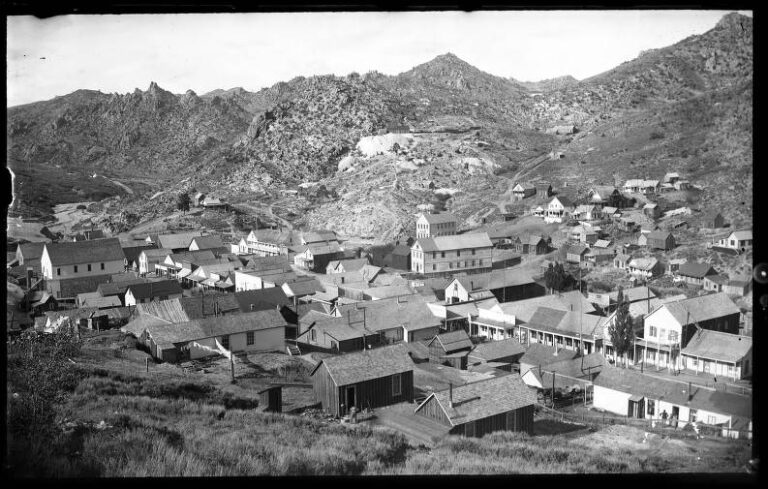
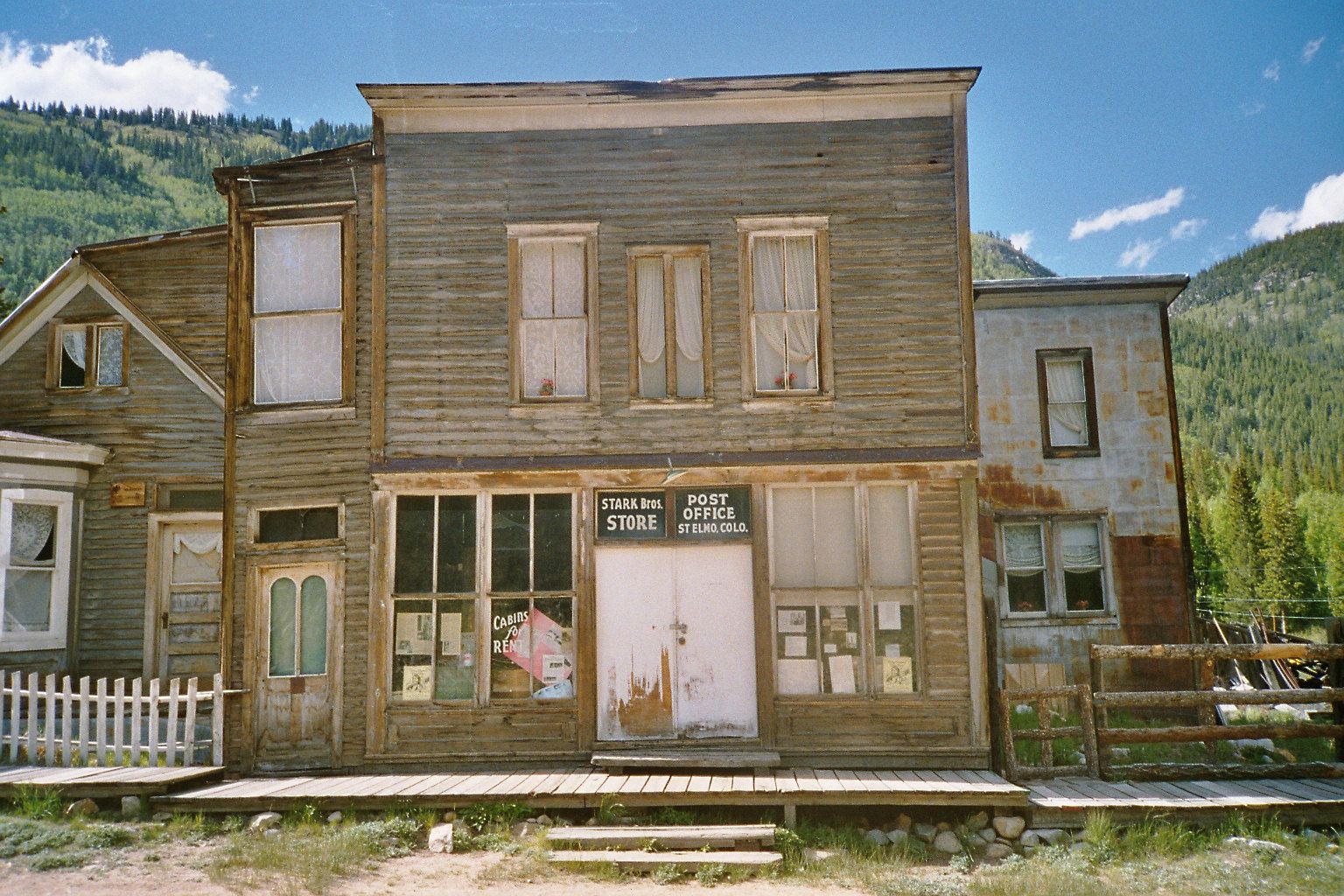
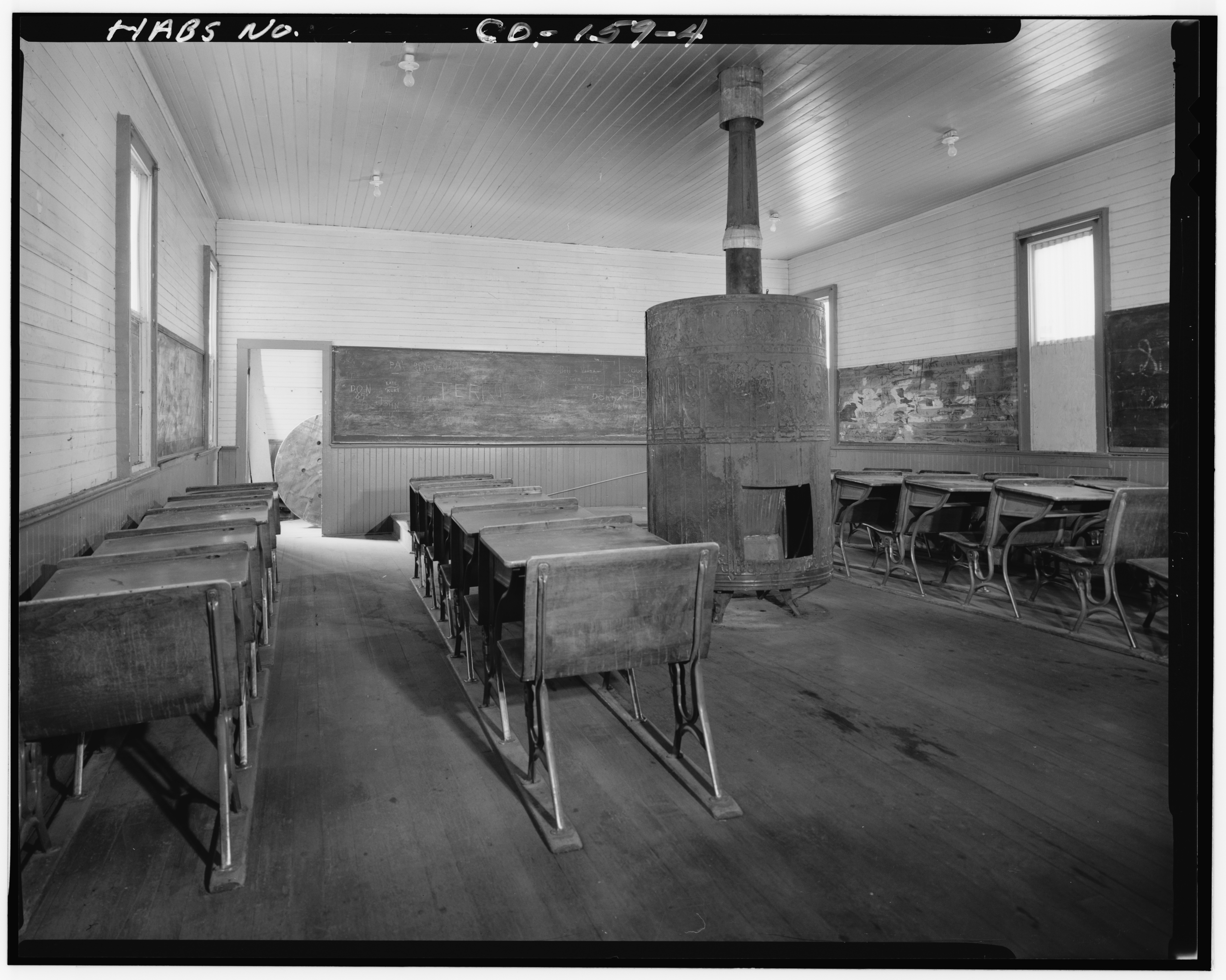
At its peak in the mid-1880s, St. Elmo had around 1,800 residents, hotels, saloons, a hardware store, a general store, a schoolhouse, and all the infrastructure of a functioning mountain town. The 1882 schoolhouse — still standing today — is considered by federal architectural historians as a representative example of rural Western community building.
Decline — fire, silver crash, and the retreat of the railroad
St. Elmo’s decline was not a single event but a cascade of blows spread across four decades. The first came in April 1890, when a major fire destroyed most of the East Main Street business district — the hotel, hardware store, drugstore, general store, and saloon/opera house all burned. The fire was a severe shock to the town’s commercial resilience at a moment when the mining economy was already becoming more concentrated and capital-intensive.
Three years later, the silver crash and national depression of 1893 ended what the federal HABS documentation calls St. Elmo’s “golden years.” The structural vulnerability that had always lurked beneath the boom — low-grade ore that was expensive to concentrate and smelt, combined with high transport costs at 10,000 feet — became impossible to ignore when metal prices collapsed.
The railroad tried to adapt. In 1895, the Colorado and Southern Railroad (successor to the South Park line) resumed Alpine Tunnel operations specifically to cultivate scenic excursion tourism — an early and prescient attempt to diversify revenue beyond ore shipments. But the economics were against it. The tunnel’s operating costs kept rising, and when the Alpine Tunnel finally closed in 1910, the freight economics that had sustained St. Elmo began to unravel.
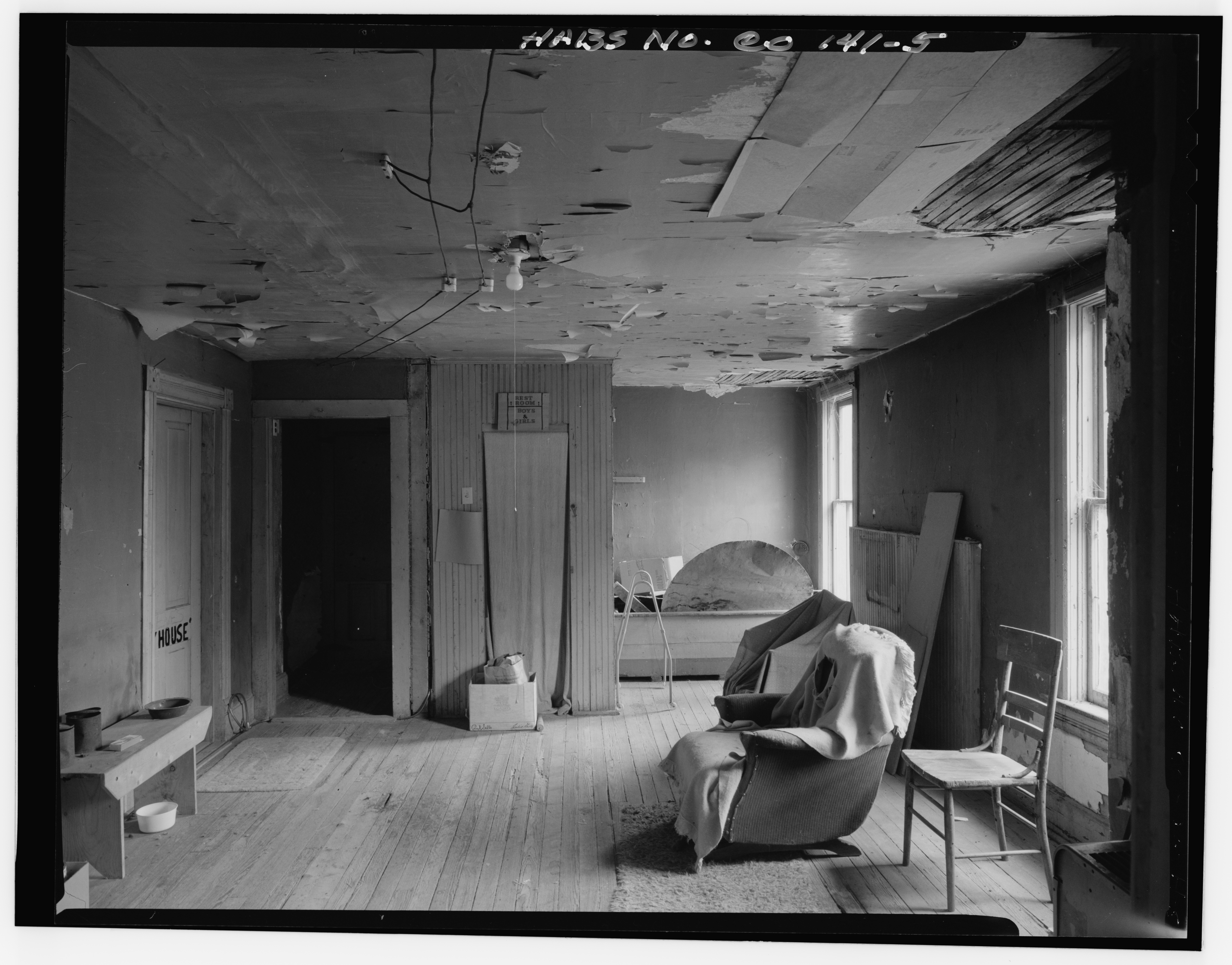
The final blow came after World War I. Silver prices dropped again, and the Mary Murphy Mine — the engine of the entire district — gradually shut down between 1919 and 1922. Without the mine, the railroad had no freight to carry. In 1926, after legal authorization from the U.S. Supreme Court, the railroad abandoned the Chalk Creek branch entirely. The population, which had already fallen to 37 by 1920, dropped to just 7 people by 1930.
The Stark family — why St. Elmo survived
Most Rocky Mountain mining towns that lost their railroad and their mines simply collapsed into ruins over the following decades. St. Elmo survived because of one family. Roy Stark and the St. Elmo Board of Trade, formed in 1912, pivoted early toward tourism and recreation — acquiring abandoned buildings and operating a combined store, post office, telegraph, and visitor hub that kept the townsite functioning as a destination rather than a ruin.
After the final abandonment, the Stark family converted surviving buildings into rental cabins and continued operating the general store for summer visitors. This entrepreneurial instinct to serve tourists rather than abandon the town is the reason that when you visit St. Elmo today, you find an intact streetscape rather than a field of foundations. The St. Elmo General Store continues to operate seasonally to this day — one of the most remarkable continuities in American ghost town history.
St. Elmo today
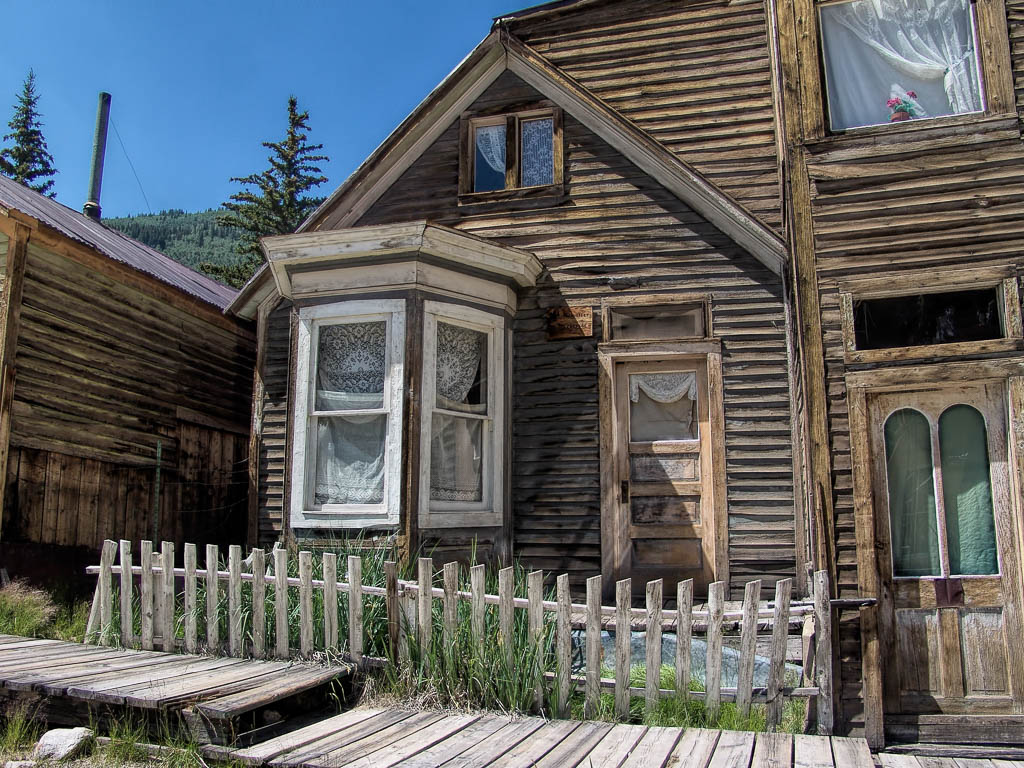
St. Elmo is managed under a mixed ownership model — some buildings function as vacation homes, others as tourist-oriented commercial establishments, and others remain vacant. The federal Historic American Buildings Survey and National Register of Historic Places both recognize the town for its exceptional architectural integrity.
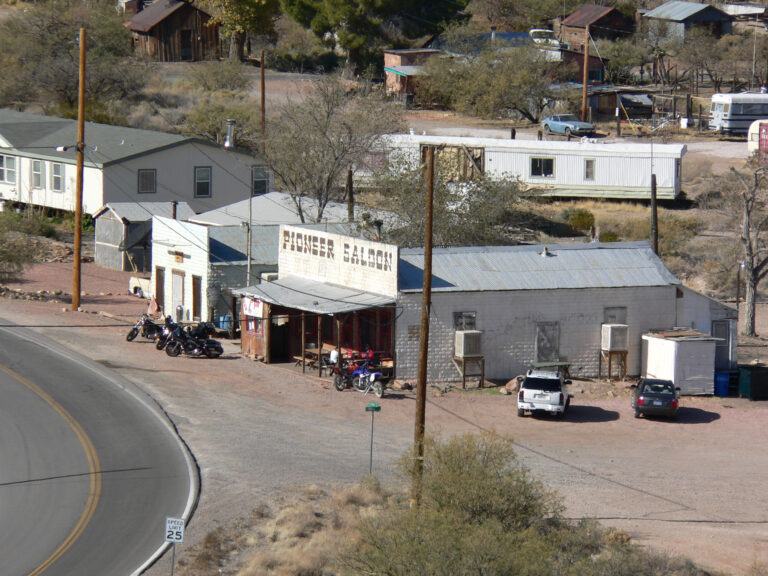
Walking St. Elmo’s main street today you’ll find original wooden storefronts, the 1882 schoolhouse, residential buildings with their original features intact, and the general store operating with its characteristic informality (hours described as “9ish to 5ish”). You’ll also find the town’s most famous current residents: wild chipmunks that have thoroughly claimed the abandoned buildings as their own and show absolutely no fear of visitors.
Key dates
Ghost towns nearby
Further reading
Sources
Historic American Buildings Survey (HABS) — St. Elmo Historic District documentation · Library of Congress
Library of Congress — St. Elmo HABS collection
National Register of Historic Places — St. Elmo Historic District nomination
U.S. Forest Service — Alpine Tunnel Trail #1438 · Hancock Pass FSR 295
St. Elmo General Store — st-elmo.com