Virginia City, Montana: The Gold Camp That Became a Territorial Capital
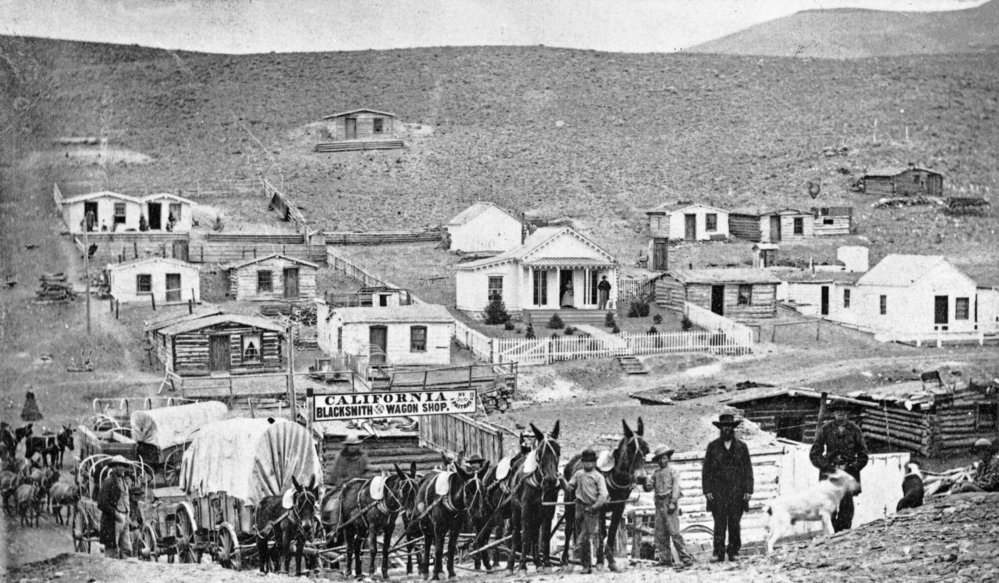
Virginia City sits in a narrow gulch in southwestern Montana, a mile from the spot where six weary prospectors panned the richest placer gold strike in the Rocky Mountain North in the spring of 1863. Within two years the camp had grown into the capital of an entire territory, printed Montana’s first newspaper, and hosted a wave of vigilante hangings that still shapes the state’s popular memory. Within a decade it was fading. Unlike most of its neighbors along Alder Gulch, though, Virginia City never disappeared — it survived as a county seat, then as one of the most complete assemblages of 1860s architecture anywhere in the American West.
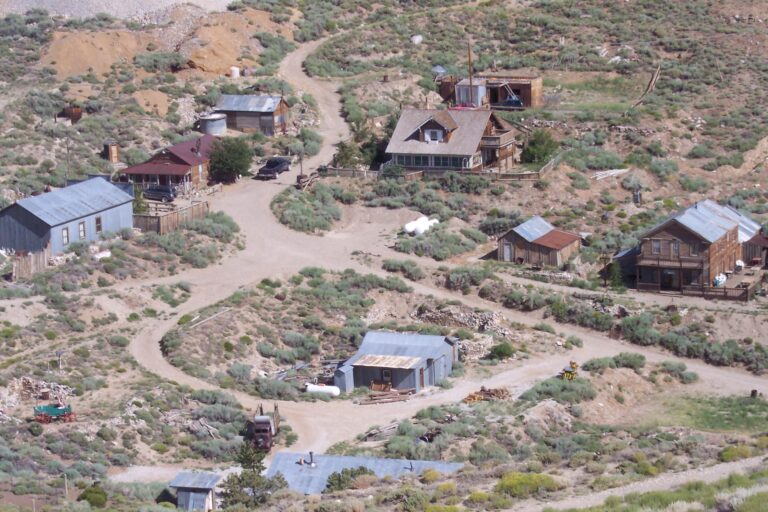
Today the town is both a living community of roughly two hundred people and a National Historic Landmark District jointly stewarded by Madison County, private business owners, and the State of Montana. Its false-front stores, log cabins, and boardwalks are not a reconstruction; most of what visitors see was built during the gold rush itself.
Six Prospectors and a Rattlesnake: The Alder Creek Strike
In May 1863, a party of prospectors led by William "Bill" Fairweather — traveling with Henry Edgar, Barney Hughes, Thomas Cover, Henry Rodgers, and Bill Sweeny — was returning to the mining camp of Bannack after a tense encounter with a Crow hunting party. Regional folklore holds that the group had been detained near the Big Horn River, and that Fairweather talked his way free by pulling a live rattlesnake from his coat and handling it for his captors, who read the display as strong medicine and let the men go on the condition they head back west. Whatever actually happened at that camp, the party did turn toward Bannack, and on May 26, while camped along a small tributary they named Alder Creek, they sank a test pan into the gravel and found gold beyond anything they had seen in Montana.
Word of the strike could not be contained. Prospectors from Bannack and nearby camps flooded into the gulch within weeks, and on June 16, 1863, the miners organized a formal mining district to register claims and impose some legal order on the rush. A townsite was platted about a mile south of the original discovery bar. Many of the earliest arrivals were Southern sympathizers in the middle of the Civil War, and they proposed naming the settlement "Verina," after Varina Howell Davis, wife of Confederate president Jefferson Davis. The Connecticut-born judge overseeing the town’s registration, G. G. Bissell, refused to record a Confederate namesake and entered it into the books as Virginia City instead.
Fourteen-Mile City and Montana’s Territorial Capital
Mining camps sprang up in a nearly continuous line along Alder Gulch that summer, a strip locals nicknamed "Fourteen-Mile City." Virginia City quickly became its commercial and administrative anchor. By 1864 the town itself held an estimated 5,000 residents, while the wider gulch — Nevada City, Junction, Adobetown, Central City, and a string of smaller camps — supported anywhere from 10,000 to 30,000 people, figures that are necessarily rough given how fast the population turned over.
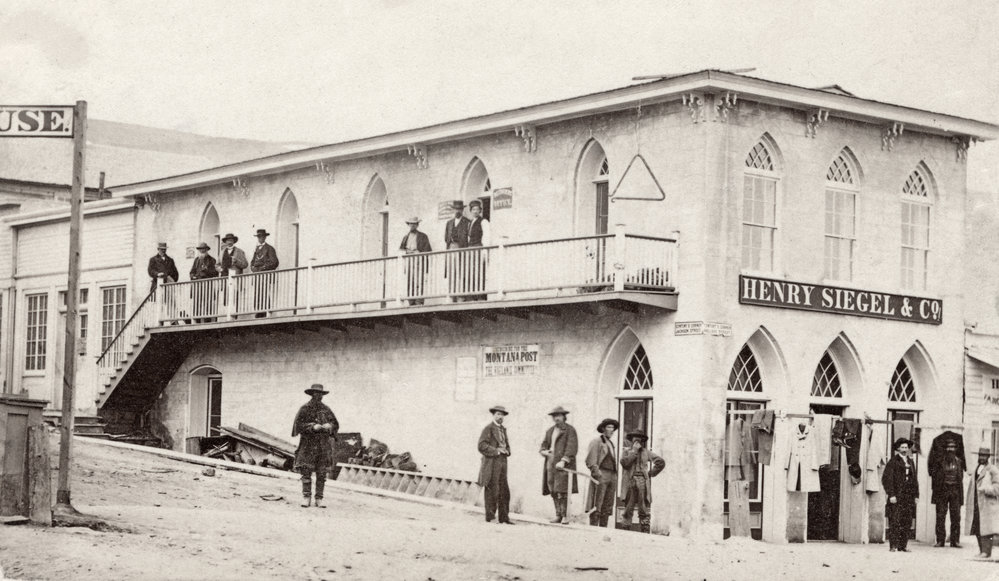
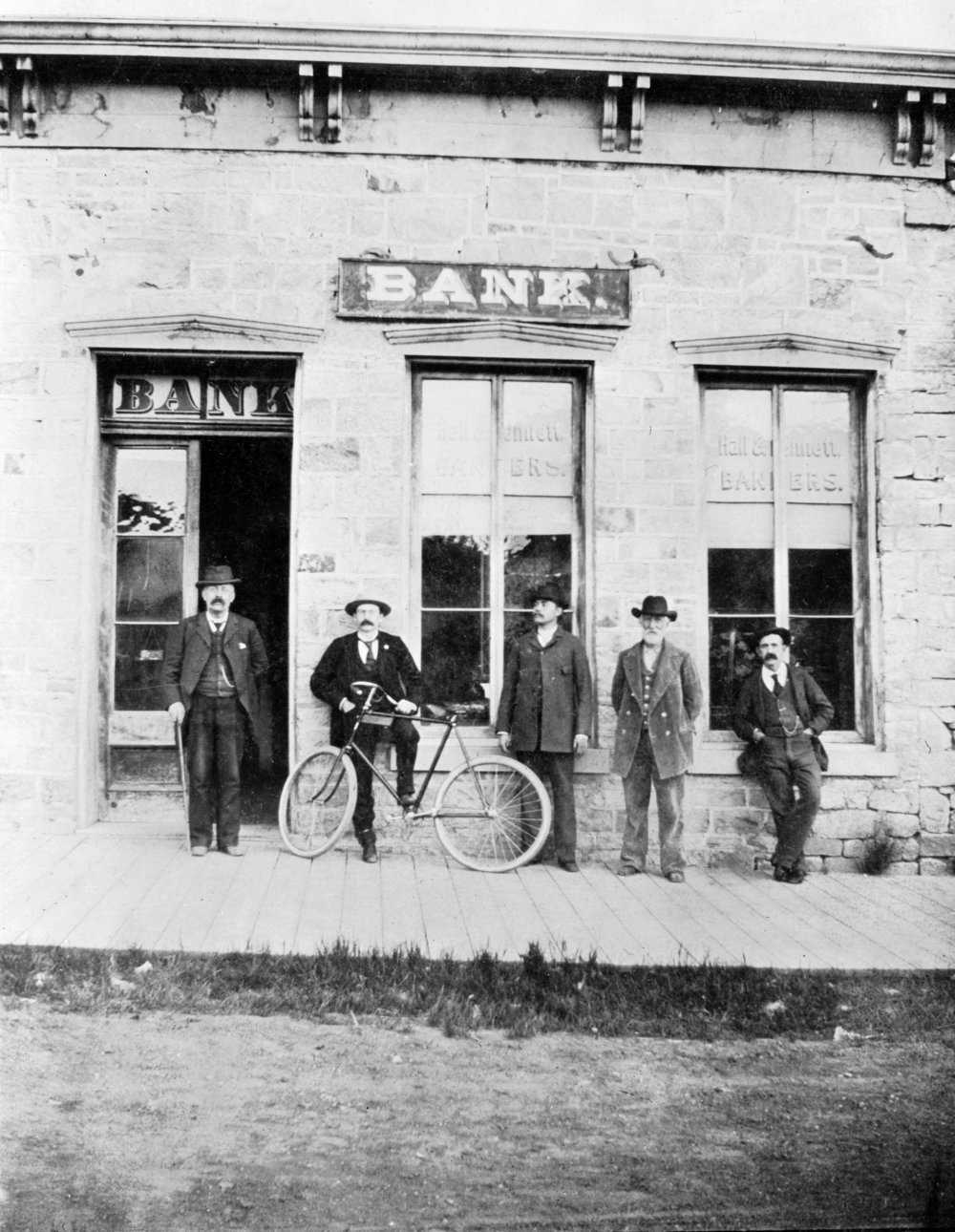
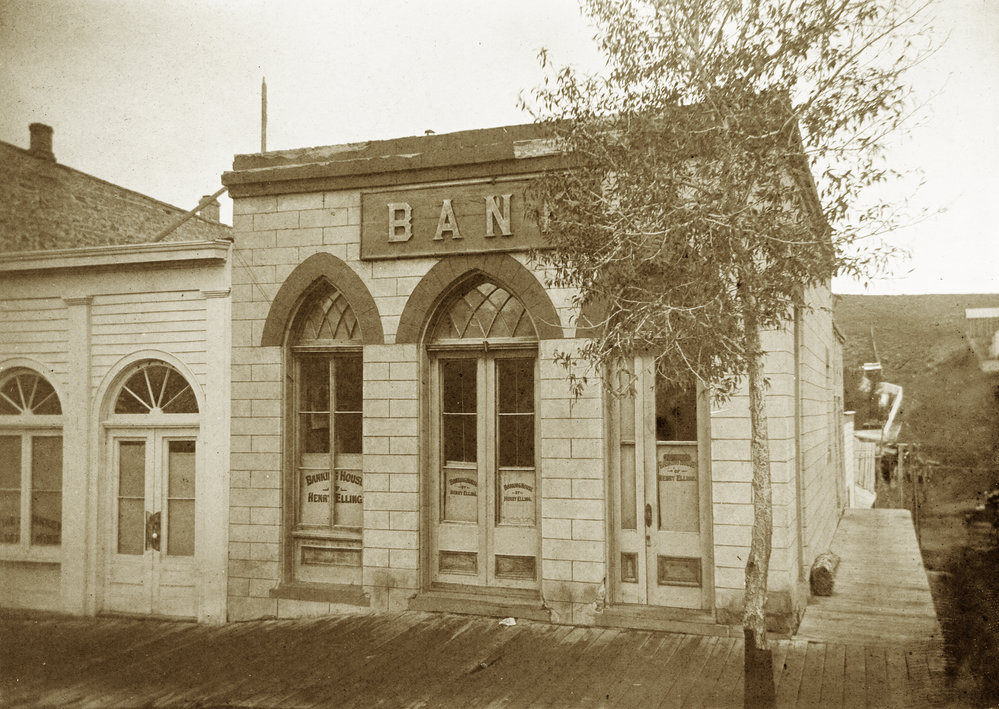
The gold pouring out of Alder Gulch was significant enough to draw the attention of Congress, which organized the Montana Territory in 1864 partly in response to the district’s output. In February 1865, the territorial capital was moved from Bannack to Virginia City. Capital status brought a wave of permanent construction: brick commercial blocks, fraternal lodge halls, banks, a courthouse, and Victorian residences replaced the tents and log shelters of 1863. The Montana Post, the territory’s first newspaper, began publishing in Virginia City on August 27, 1864, and in 1866 the same press printed The Vigilantes of Montana by Thomas J. Dimsdale — the first full-length book produced in the territory. The town also organized one of Montana’s earliest public school districts.
The Vigilantes, Sheriff Plummer, and "The Innocents"
No episode looms larger over Virginia City’s history than the winter of 1863–1864, when a self-organized Vigilance Committee hanged at least twenty-one men accused of banditry across the Bannack and Alder Gulch region. Stagecoaches carrying gold dust out of the gulch had been repeatedly robbed, and popular tradition came to hold that Henry Plummer — the elected sheriff of both Bannack and Virginia City — was secretly the leader of the gang behind it, a group later remembered as "The Innocents." After the public trial and execution of George Ives for the murder of a young traveler named Nicholas Tiebalt near Nevada City in December 1863, a group of merchants and miners organized in secret and began making arrests and holding trials of their own, with no formal court oversight. Plummer was hanged at Bannack on January 10, 1864.
That code, 3-7-77, was left on doors or posted publicly to warn men to leave the territory. Its origin has never been settled: popular explanations range from grave dimensions (three feet by seven feet by seventy-seven inches) to a threatened deadline of three hours, seven minutes, and seventy-seven seconds to get out of town. No contemporary document confirms either story, and the numbers’ real meaning — if the Vigilantes themselves ever explained it in writing — has been lost.
Sarah Bickford: From Enslavement to Utility Owner
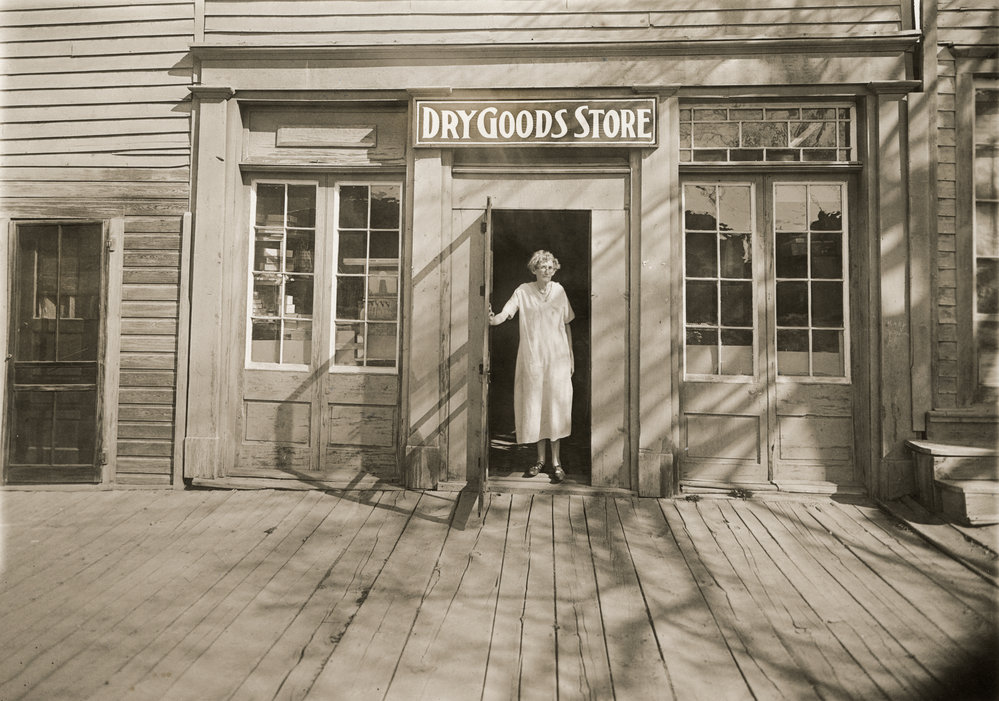
Among the most remarkable figures in Virginia City’s history is Sarah Gammon Bickford. Born into slavery in the South around 1856, she gained her freedom after the Civil War and settled in Virginia City in 1871. She married Stephen Bickford in 1883, and the couple bought into the Virginia City Water Company. When Stephen died in 1900, Sarah completed correspondence courses in business management and, in 1902, bought out the remaining shares of the company herself. From an office in the town’s Hangman’s Building, she ran the utility’s billing, maintenance, and operations until her death in 1931 — making her the first African American woman known to own and operate a public utility company in the United States, and the only woman to do so in Montana’s history. She was inducted into the Gallery of Outstanding Montanans at the state capitol in 2012.
Decline, a Lucky Bedrock Bench, and the Boveys
Virginia City’s fortunes followed the arc common to placer camps everywhere: the richest, most accessible gravels near the surface were largely worked out within about five years. A new strike at Last Chance Gulch, the site of modern Helena, pulled labor and merchant capital away starting in mid-1864, and after several contested territorial votes the capital itself moved to Helena in 1875. Lode and hydraulic mining, introduced around 1867, kept some operations running with far fewer workers than the original placer rush had employed, and the town settled into a long, slow contraction as a county seat and local trade center. Gold mining in the gulch effectively ended in October 1942, when the federal War Production Board’s Limitation Order L-209 halted non-essential gold mining nationwide for the duration of World War II.
What spared Virginia City was geology as much as anything else. The town’s commercial core sits on an elevated bedrock bench above the gold-bearing gravels of Alder Creek. When large electric floating dredges worked through the gulch between 1898 and 1922 — erasing lower-lying settlements like the original Nevada City almost completely — they simply could not reach the ground Virginia City was built on.
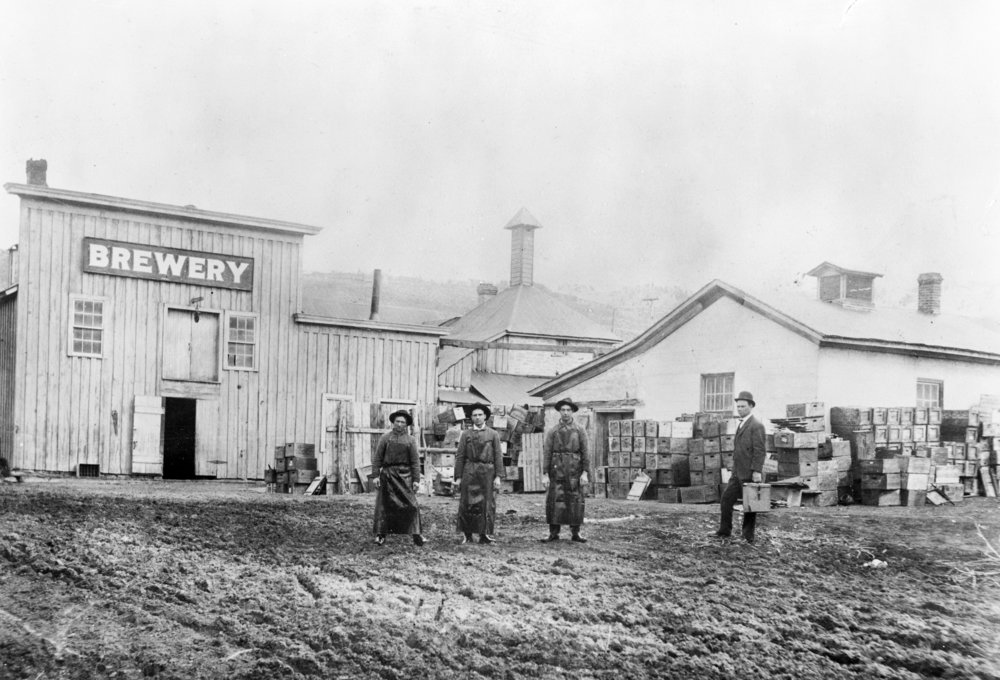
Deliberate preservation began in 1944, when Montana state senator Charles A. Bovey and his wife Sue Ford Bovey started buying up abandoned buildings. The Boveys stabilized aging structures in Virginia City itself and relocated threatened log cabins and storefronts from across the state to nearby Nevada City, effectively building an open-air architectural museum next door. Their work led directly to Virginia City’s designation as a National Historic Landmark in 1961 and its listing on the National Register of Historic Places in 1976. In 1997 the State of Montana purchased the Bovey family’s holdings, and the Montana Heritage Commission now maintains more than 150 historic structures across the district.
Virginia City Timeline
Ghost Towns Nearby
Sources: Wikipedia – Virginia City, Montana; Wikipedia – Sarah Bickford; Montana Heritage Commission (commerce.mt.gov); Historic Montana (historicmt.org) – Virginia City Historic District & Hangman’s Building; University of Montana, "Virginia City: Montana’s First Incorporated Town" (Parts 1–2); Legends of America – Virginia City, Montana; True West Magazine – Virginia City, Montana; Montana Women’s History (montanawomenshistory.mt.gov); virginiacitymt.com – Alder Gulch Area History, Sarah Bickford, Nevada City Old Town Museum, Packages and Specials.