Frisco Ghost Town, Utah: The Wildest Camp in the Great Basin and the Mine That Collapsed Under Its Own Weight
In September 1875, two prospectors named James Ryan and Samuel Hawkes were working a galena claim in the San Francisco Mountains of southwestern Utah when they stopped to test a large outcropping they walked past every day. The rock turned out to be so rich in pure silver that Hawkes reportedly cut into it with his knife. They staked the claim immediately — then sold it almost as quickly for $25,000, afraid the ore body might not be as large as it appeared. They were spectacularly wrong. The Horn Silver Mine would go on to produce over $20 million in ore across its working life, and the boomtown that grew at its base would become what one writer called “Dodge City, Tombstone, Sodom, and Gomorrah all rolled into one.”
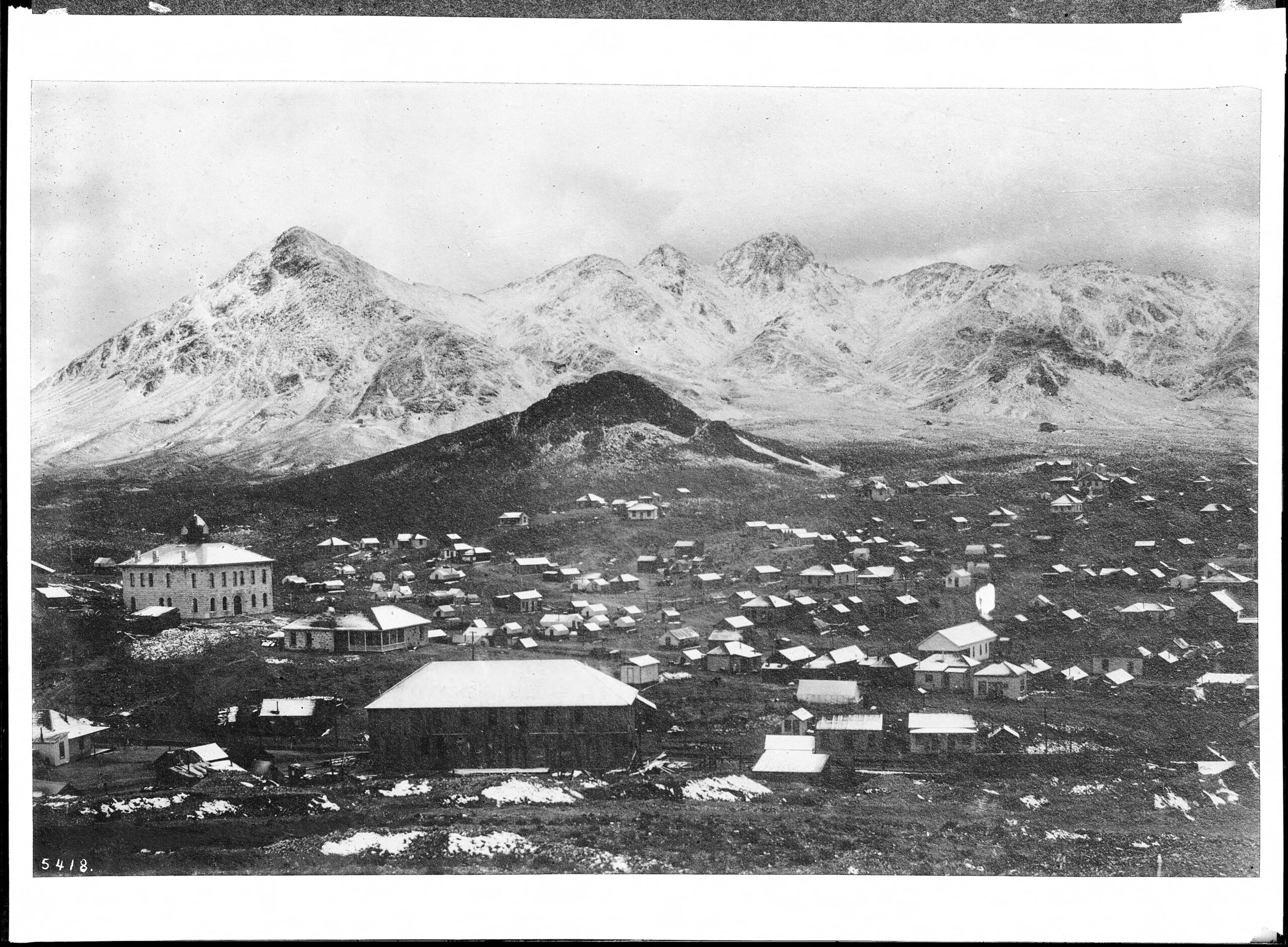
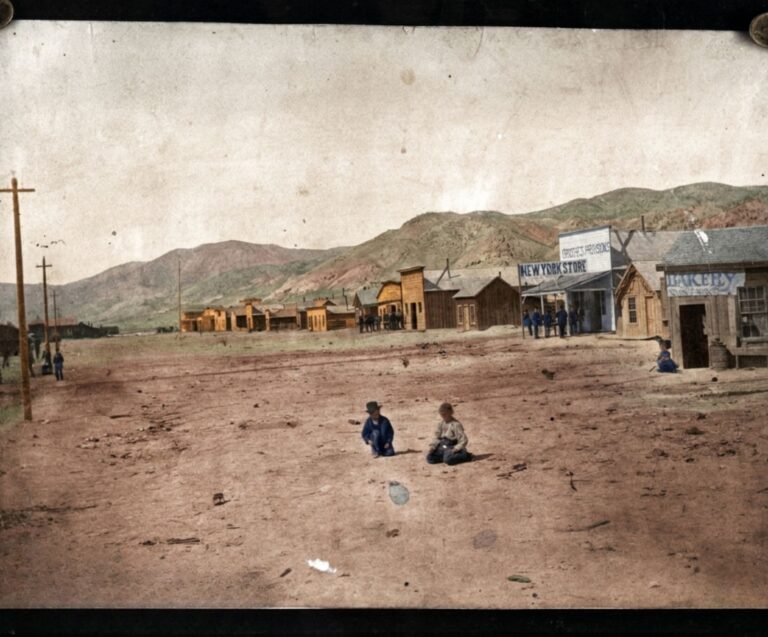
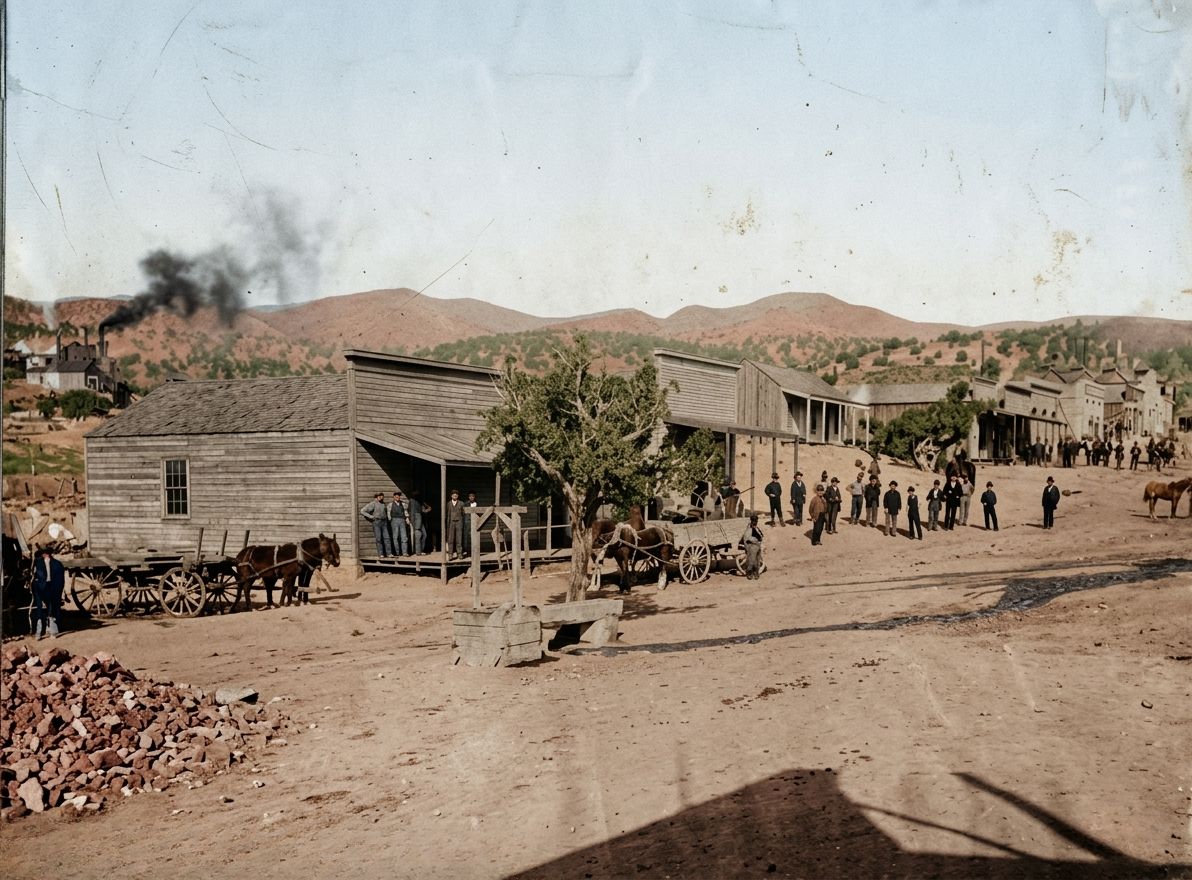
At its peak in 1885, Frisco had 6,000 residents, 23 saloons, and a reputation as the wildest camp in the Great Basin. Murders were frequent enough that city officials contracted a wagon to collect bodies from the streets. Then, on a February morning in 1885, the Horn Silver Mine collapsed to its seventh level. Frisco never recovered. By 1928 the last residents had left. Today five stone beehive kilns stand in the Utah desert along Highway 21 — the most intact thing left of a town that burned through millions of dollars and thousands of lives in less than a decade.
“The United States Annual Mining Review called the Horn Silver ‘unquestionably the richest silver mine in the world now being worked.’ That was 1879. Six years later it was a hole.”
The discovery and the financier
Ryan and Hawkes’s $25,000 sale turned out to be one of the worst deals in Utah mining history — for them. The buyers quickly extracted 25,000 tons of high-silver-content ore by the late 1870s, but developing the mine at full scale required capital beyond what was locally available. The mine’s promoters turned to Jay Cooke, the financier who had invented the concept of selling federal bonds to fund the Civil War and had been the nation’s wealthiest banker in 1870. By 1873 the Panic had wiped him out; his Philadelphia mansion had been seized by creditors. Cooke had no interest in mining, but a friend talked him into examining the Horn Silver claim. He liked what he saw. His backing provided the financial muscle to turn the Horn Silver into an industrial operation, and the profits rebuilt his fortune.
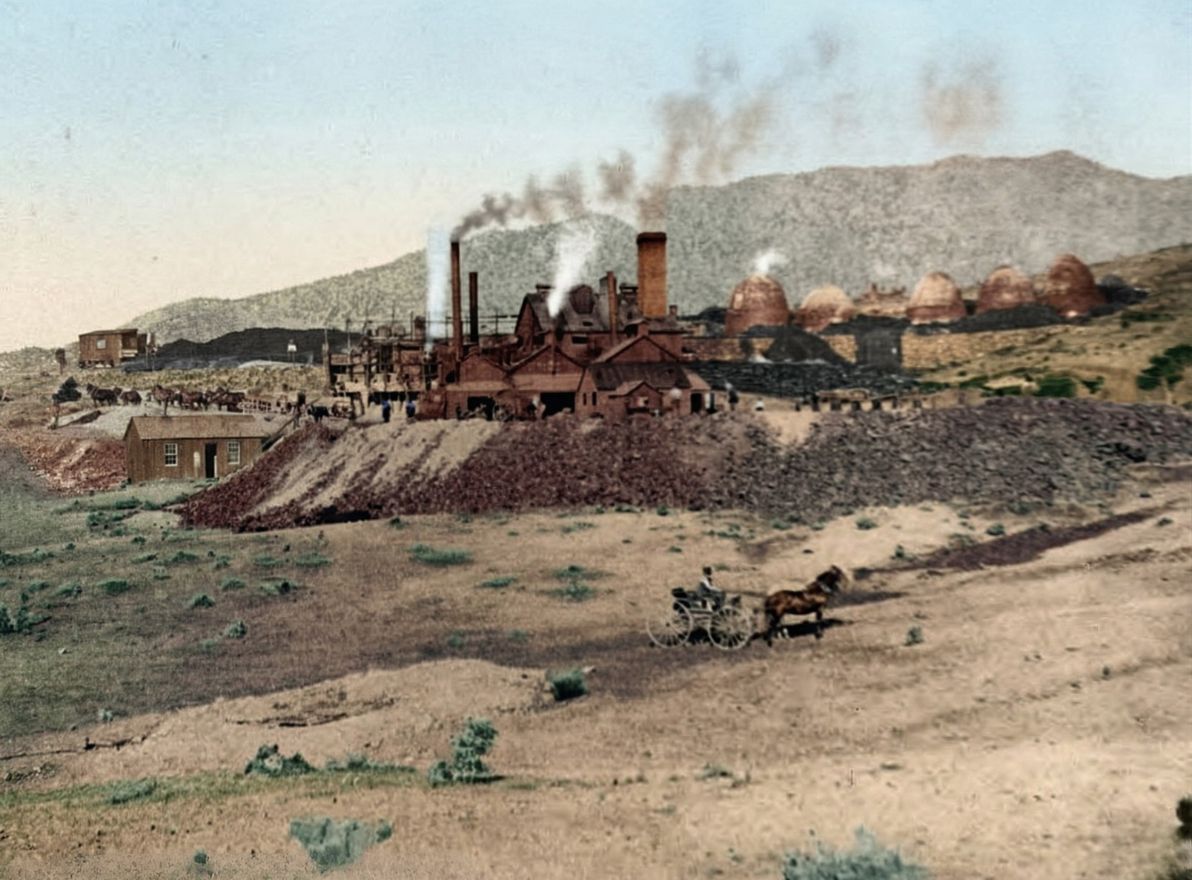
By 1877 the Frisco Mining and Smelting Company had erected a smelter complex at the base of the mountains, including five beehive charcoal kilns built from local granite and lime mortar to convert juniper and oak into smelter fuel. Each kiln stood approximately 30 feet wide at the base. The five prominent kilns visible today from the highway are in fact only part of the story: an additional 24 kilns in various clusters survive to the northeast of the townsite — a detail that speaks to the enormous fuel demands of the smelting operation.
The boom: the wildest camp in the Great Basin
The Utah Southern Railroad reached Frisco on June 23, 1880, connecting the remote mountain camp to the national rail network and allowing 150 tons of ore a day to be shipped to the Francklyn smelter near Murray for processing. The population exploded. By 1880 the town had some 800 residents; by 1885 the peak figure of around 6,000 was reached, at a time when fewer than 1,500 people lived in St. George. The Horn Silver Mine alone was producing approximately 1.5 million troy ounces of silver annually.
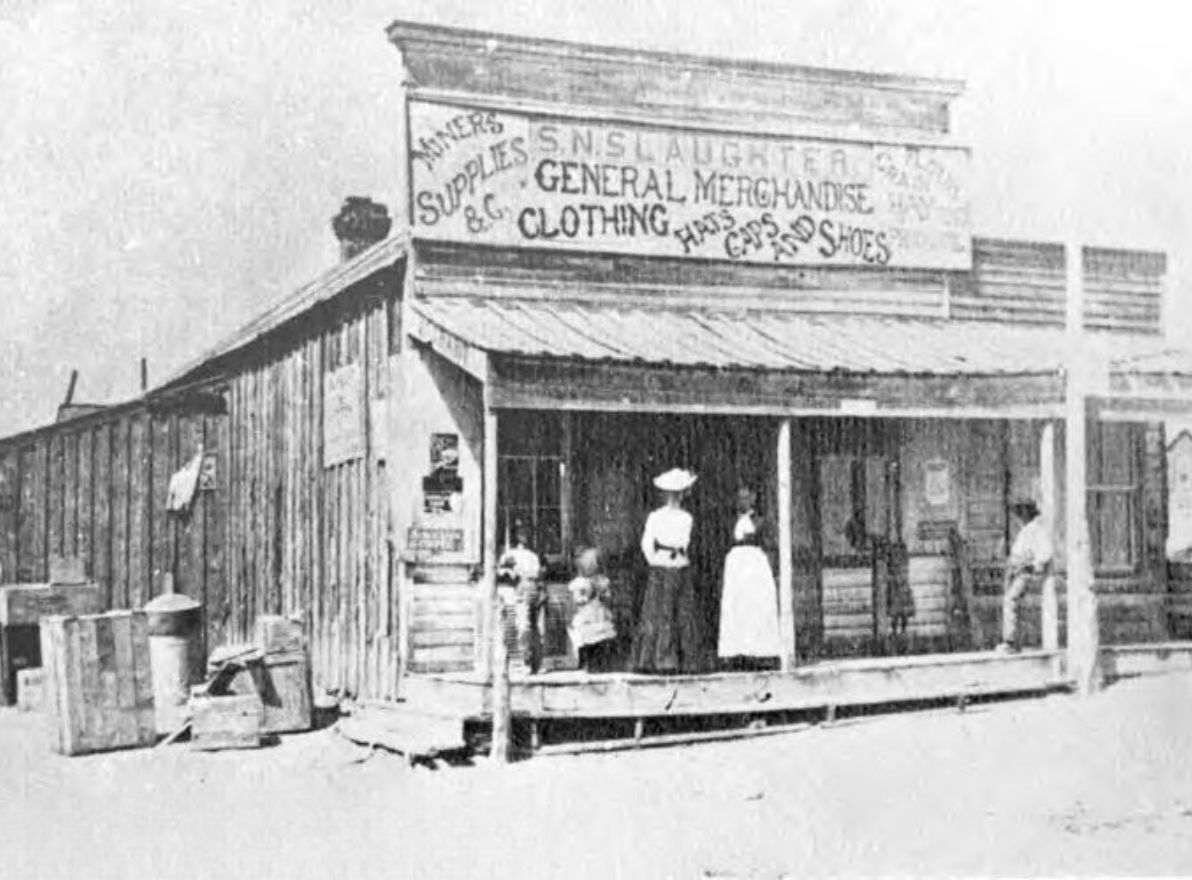
The town’s 23 saloons, gambling dens, and brothels made Frisco’s reputation. Violence was endemic enough that contemporary accounts describe a contracted wagon making regular rounds to collect bodies from the streets. Drinking water had to be freighted in from Milford — the local water from the San Francisco Mountains was muddy and seasonal streams couldn’t sustain the population. The isolation and the money and the transient character of the workforce combined to make Frisco something genuinely dangerous.
Marshal Pearson and the cleanup
Frisco’s lawlessness eventually became enough of a problem that the town hired Marshal Pearson from Pioche, Nevada, specifically to restore order. Pearson reportedly told the town’s criminal element that he did not intend to make arrests — he planned to shoot on sight anyone he saw breaking the law. The legend holds that he killed six outlaws on his first night in town and ran the camp with an iron fist thereafter.
The collapse of February 1885
On the morning of February 12, 1885 (some sources say the 13th — contemporary accounts differ by a day), the Horn Silver Mine’s night shift had just come to the surface when tremors began shaking the ground. The day crew was told to wait. Within minutes a massive cave-in collapsed the main shaft and the tunnels down to the seventh level, destroying the richest section of the mine in a single event.
The timing saved lives — the shift change meant no miners were underground when the collapse occurred. But the economic consequences were total. The Horn Silver was an unusual mine: essentially a giant open pit 900 feet deep, braced with timbers, always structurally vulnerable. Years of deep extraction, combined with water infiltration and deteriorating timber supports, had made the collapse inevitable. The tremors from the event were felt in Milford, 15 miles away.
The mine did resume limited production within about a year, and eventually the installation of a new shaft allowed operations to continue for decades more. By 1891 quarterly dividends had recovered to an average of $50,000, and the Horn remained one of the eight leading silver mines in the United States. But the era of a million-plus ounces annually was over, and Frisco never recovered its population or its commercial energy. The cave-in had doomed the camp even if it hadn’t killed it outright.
The long decline
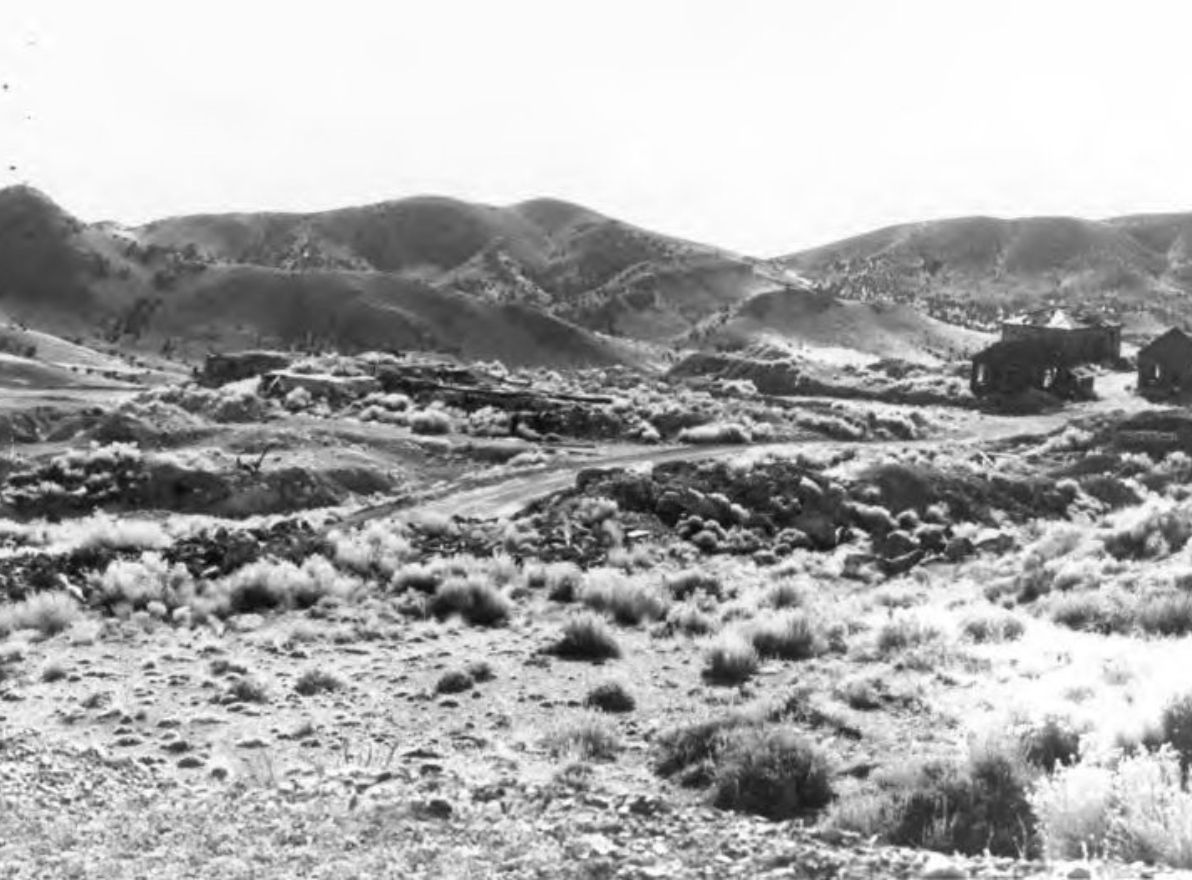
After 1885, Frisco’s population numbers tell the story clearly. From 6,000 at the peak, the town fell to around 500 by 1900 and roughly 150 by 1912. The national silver crash of 1893 hurt further. A brief World War I revival bumped the population back to approximately 300 by 1918, but no sustainable recovery materialized. A Mormon ward was organized in Frisco in 1905; it disbanded by 1911 as families left. By 1927–28 the town directory listed only two entries: the Horn Silver mine and its manager, who also served as postmaster. The last residents departed in 1928. The post office had closed the same year.
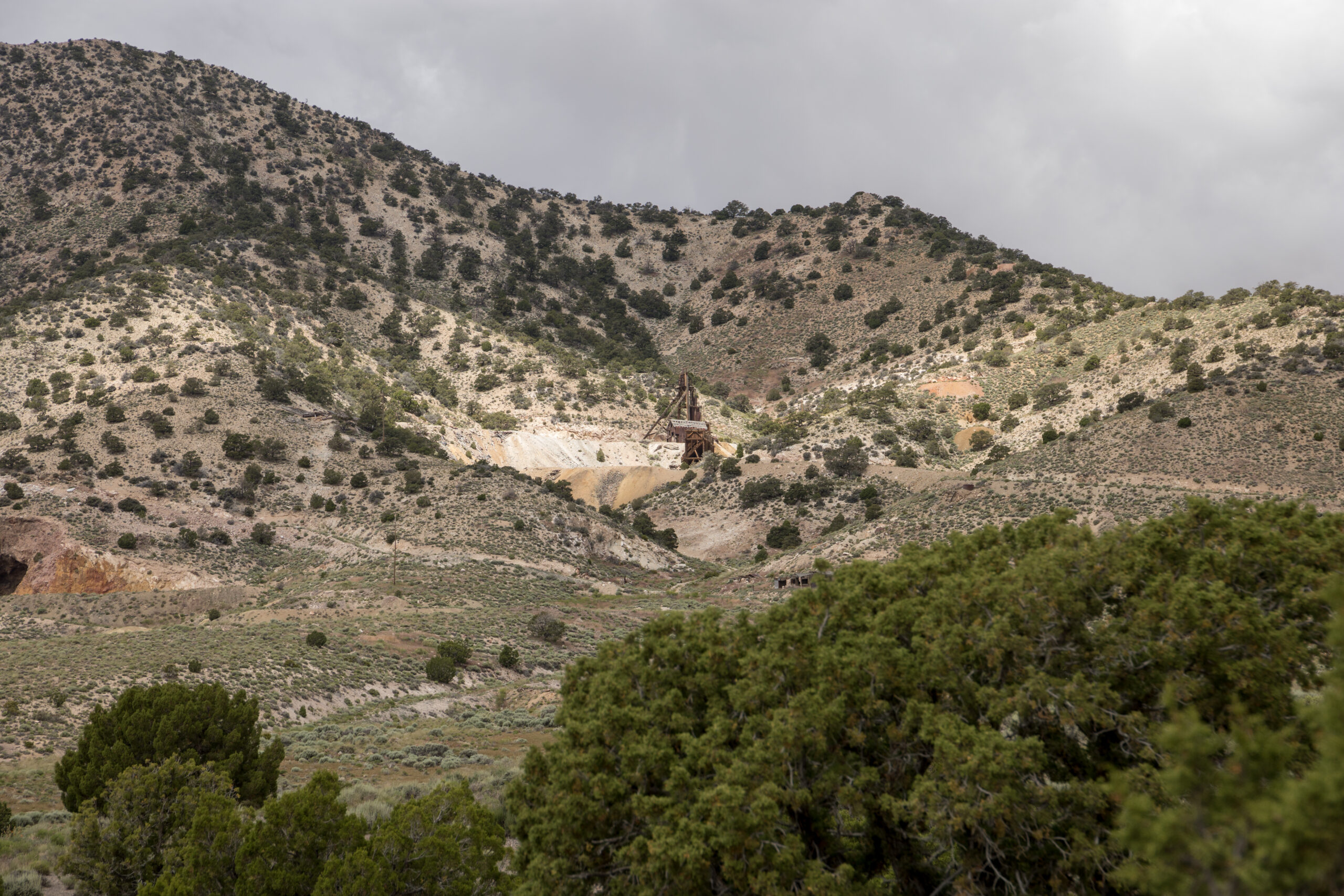
Sporadic small-scale mining continued into the mid-20th century. In 2002 a new mining company began reworking the area around the Horn Silver, which closed off direct access to the mine site. The charcoal kilns and cemetery remain publicly accessible.
What survives today
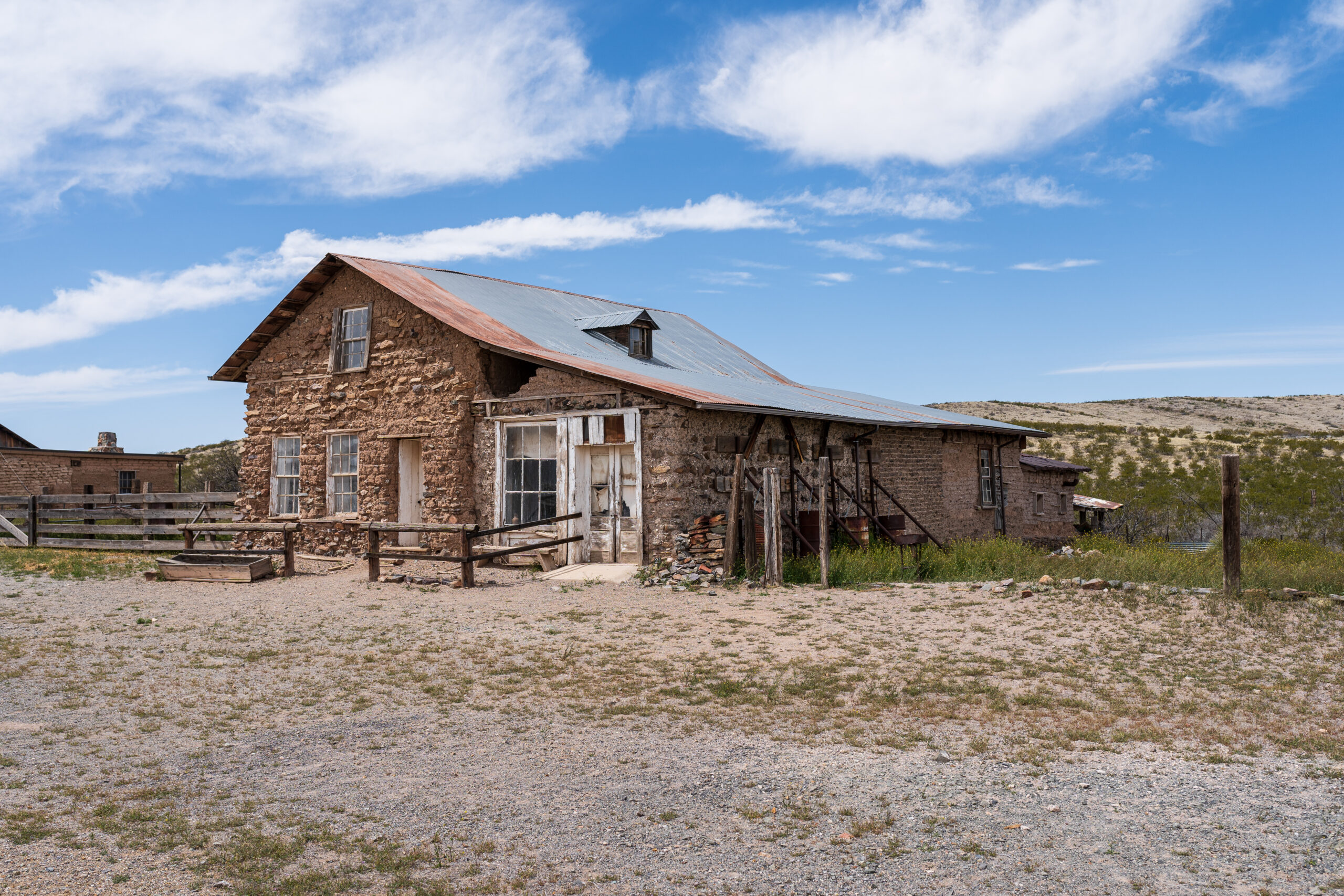
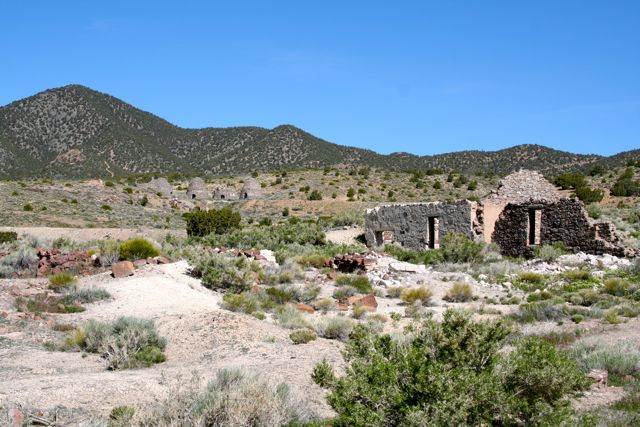
Almost nothing above-ground from Frisco’s buildings has survived. No intact structures remain — only foundation stones, chimney bases, and mine tailings scattered across the townsite. The dominant survivors are the five beehive charcoal kilns on the hillside behind the former smelter site. Built in 1877 from local granite and lime mortar, three retain their full conical domes; kilns 1 and 4 have partially collapsed tops. The Historic American Engineering Record (HAER) describes them as among the best-preserved charcoal kilns in Utah, and they were placed on the National Register of Historic Places in 1982.
The Frisco Cemetery survives nearby, fenced and visible from the road, with a small number of marked graves. Smelter furnace bases, ore-cart rails, and scattered equipment pieces are visible across the site. A Daughters of Utah Pioneers historical plaque at a nearby rest area summarizes the town’s history. Signage is otherwise minimal.
Timeline
Ghost towns nearby
Further reading
Sources
Utah History to Go — When the Horn Silver Mine Crashed In (Miriam B. Murphy, 1996) — primary narrative source; mine collapse details, Marshal Pearson account, Jay Cooke biography
Utah History Encyclopedia — Frisco Mining Camp — population data by year, business directory counts, incorporation date
Wikipedia — Frisco, Utah — saloon count, Horn Silver ore value, cave-in description
Intermountain Histories — Frisco and the Horn Silver Mine (Andrew Durbin, BYU, 2023) — 24 additional kilns detail, 1928 abandonment date, annual silver output figures
Legends of America — Frisco, Utah — A Ten Year High — folklore accounts, railroad timeline, post-collapse recovery
Western Mining History — Frisco Utah — Ryan and Hawkes $25,000 sale detail, railroad completion date
Utah Rails — Horn Silver Mine at Frisco, Utah — Jay Cooke financing, ore shipment details, railroad extension records
SAH Archipedia — Frisco Charcoal Kilns — HAER documentation, kiln construction details, NRHP listing
J. Willard Marriott Library / University of Utah — Frisco, Utah ghost towns exhibit