Calico Ghost Town, California: The Silver Camp Saved by a Theme Park Legend
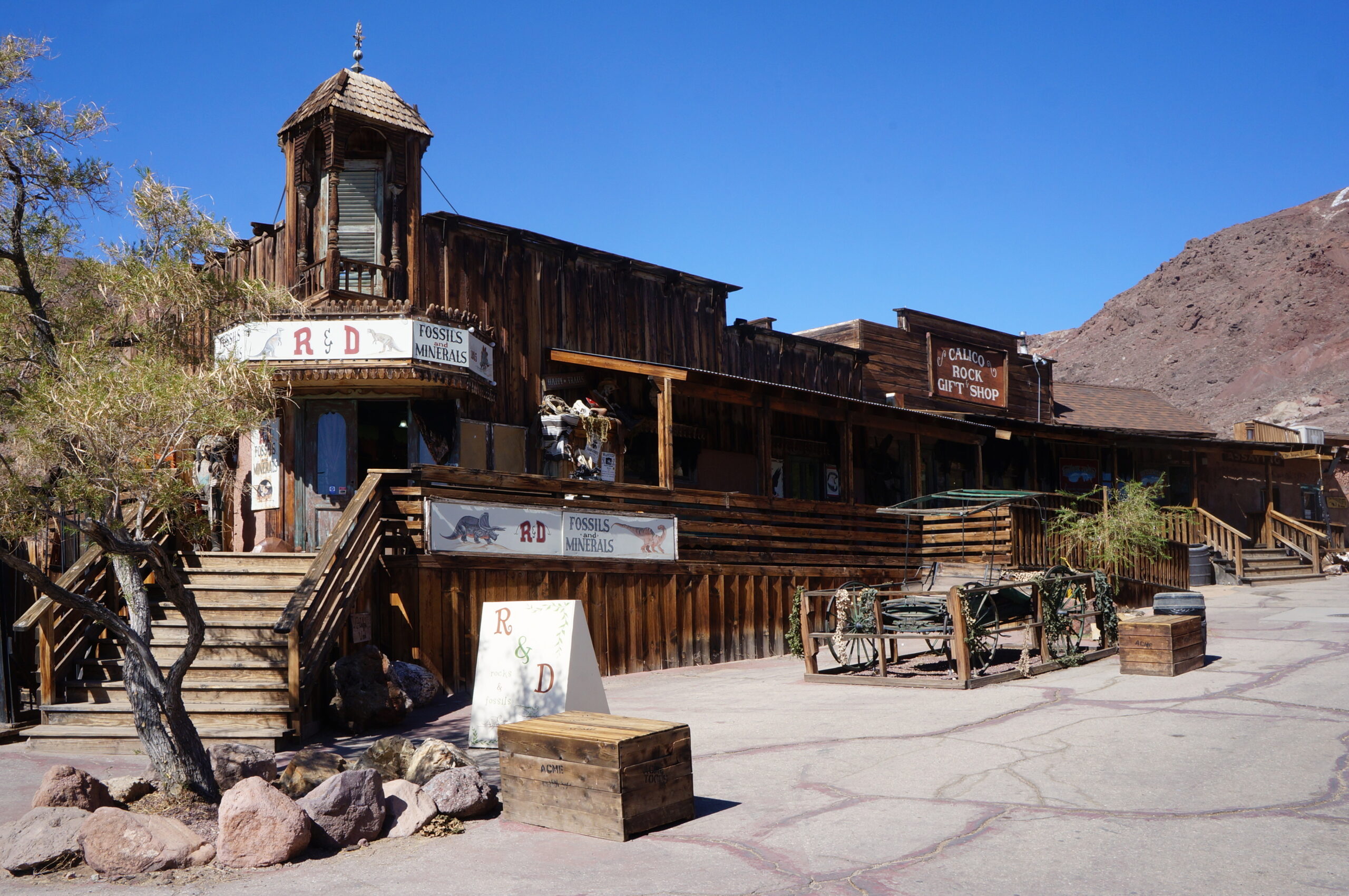
Tucked into the colorful, mineral-stained mountains of California’s Mojave Desert lies Calico Ghost Town. Unlike the desolate, crumbling ruins found in much of the American West, Calico offers a highly curated step back in time. Born from a spectacular silver strike in 1881, the town boomed, busted, and was entirely abandoned by 1907.
Calico would have melted back into the desert sand had it not been for Walter Knott, the founder of Knott’s Berry Farm. Knott purchased the entire town in the 1950s and meticulously restored it to mirror its silver-rush heyday. Today, it operates as a San Bernardino County Regional Park—and officially holds the title of California’s “State Silver Rush Ghost Town.”
“They say the mountains surrounding the camp were as purty as a calico skirt, and that’s exactly how the town got its name.”
Striking silver in the “Calico” Mountains
In the spring of 1881, four prospectors departing from the nearby railroad town of Barstow discovered rich silver ore in a local peak. Because the rugged hills were colored with brilliant streaks of red, pink, and yellow minerals, the miners affectionately called the area “Calico.”
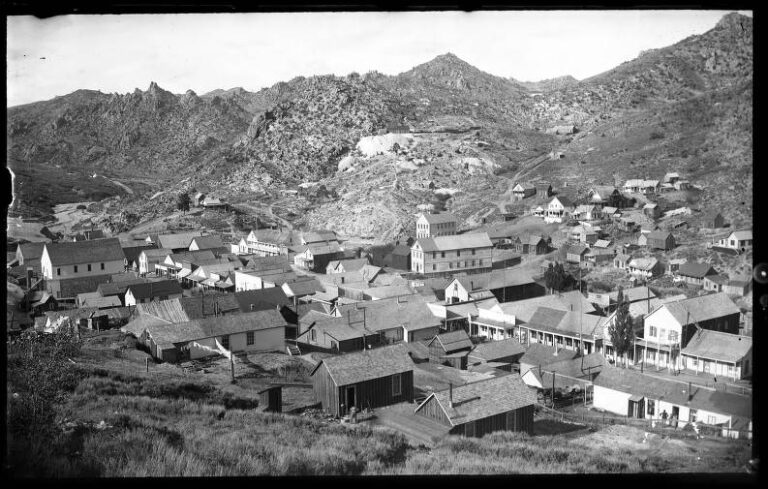
Word of the discovery—which would become the legendary Silver King Mine—sparked a massive rush into the Mojave Desert. By 1887, Calico was a bustling, chaotic frontier town. At its height, the population swelled between 1,200 and 3,000 residents. The town boasted over 500 active mines in the surrounding hills, three hotels, five general stores, a meat market, boarding houses, and, of course, the requisite multitude of saloons and gambling halls.
The collapse of the silver market
Calico produced an estimated $20 million in silver ore during its lifespan, making it one of California’s richest silver camps. However, the town’s economy was entirely dependent on a single commodity.
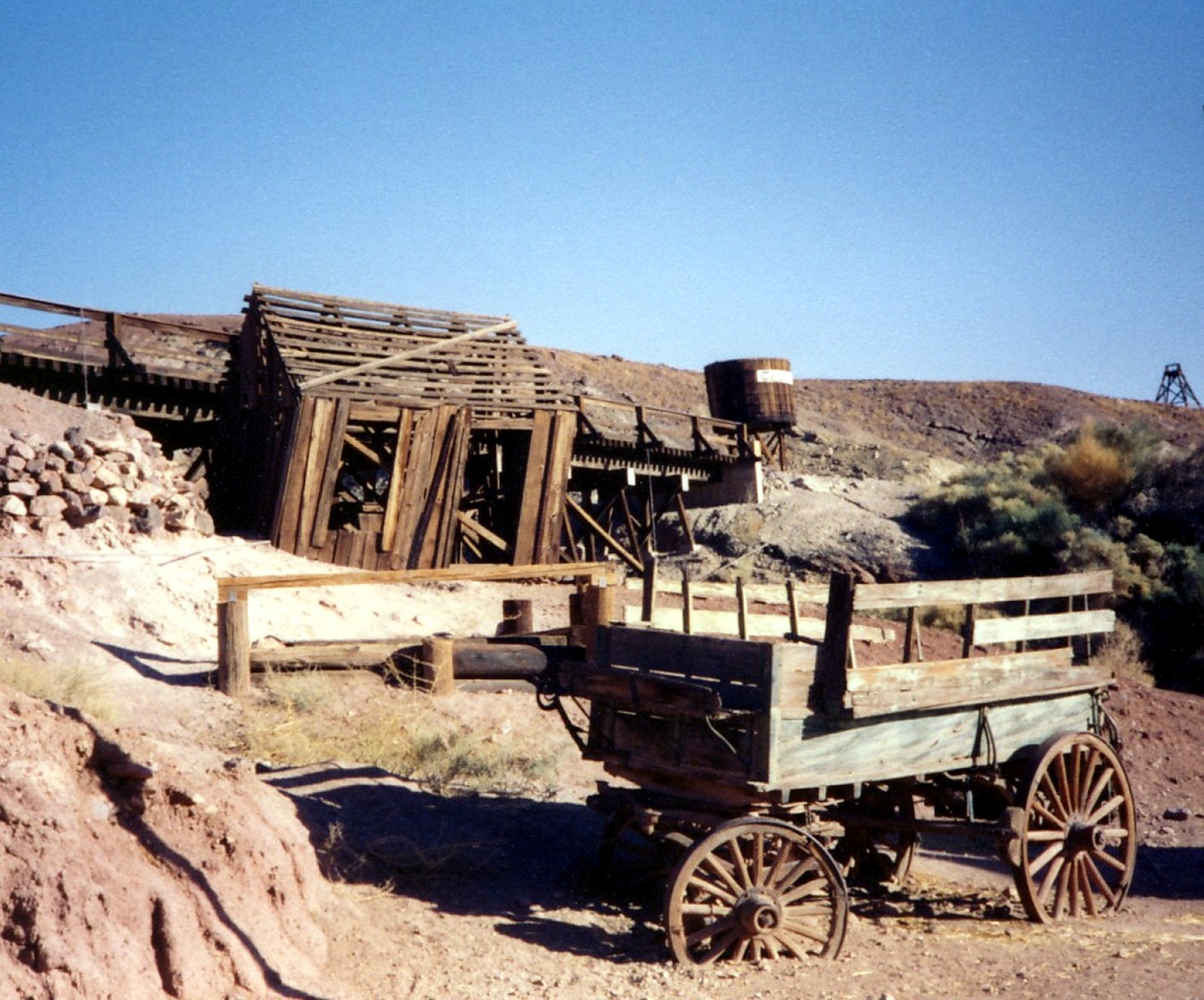
When the Silver Purchase Act was repealed in 1893, the price of silver plummeted from $1.31 an ounce to just 63 cents. The mines of the Calico mountains instantly became unprofitable to operate. By 1896, the boom was effectively over. Miners packed up their families and equipment and left the desert. The post office closed in 1898, and by 1907, the town was entirely abandoned, leaving the sun and wind to reclaim the wooden structures.
Walter Knott’s desert dream: a theme park resurrection
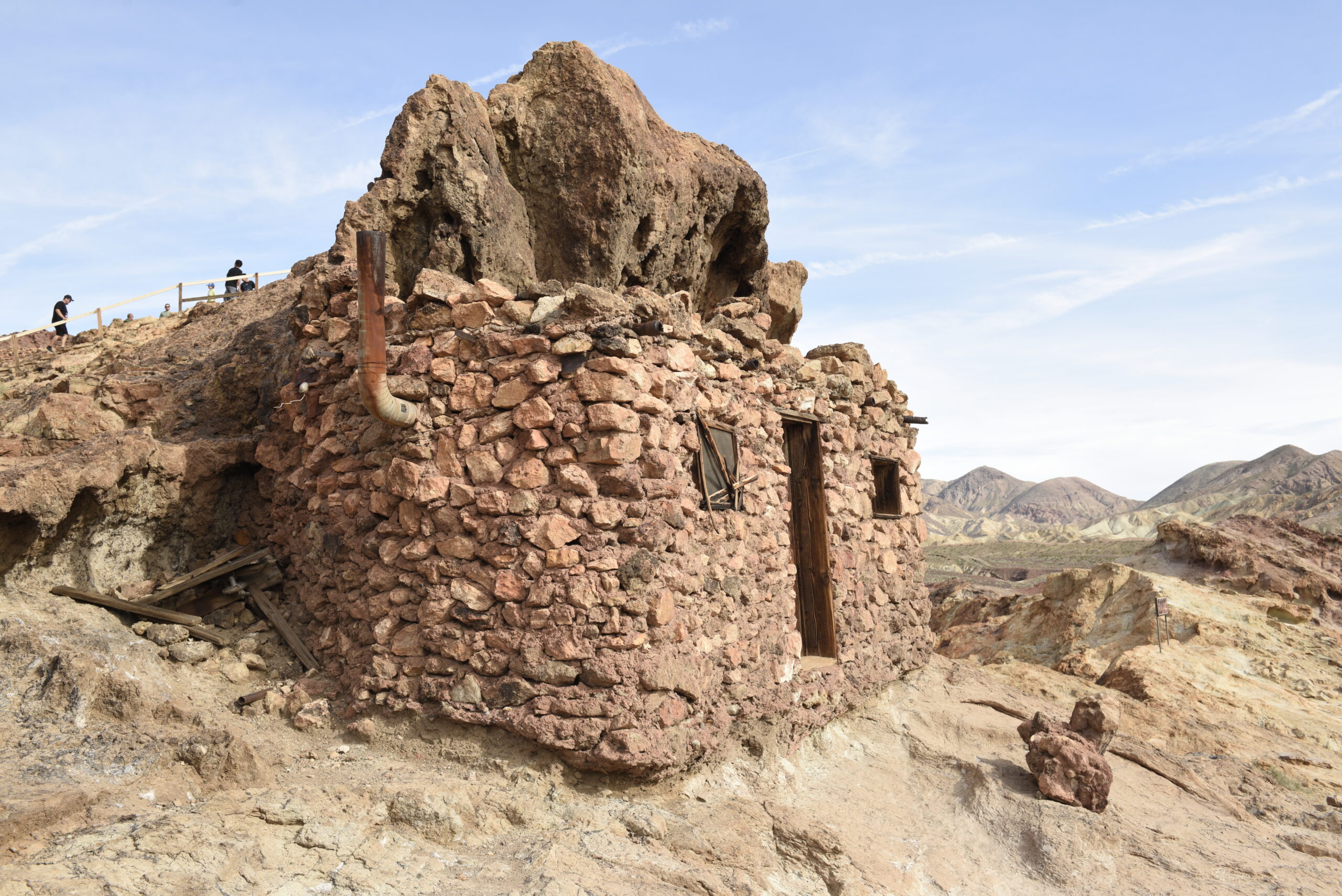
For decades, Calico sat empty. Its buildings were looted for lumber, and the harsh desert climate took its toll. Enter Walter Knott. Having worked in the Calico mines briefly as a young man in the 1910s, Knott harbored a deep nostalgia for the old West. In 1951, the successful berry farmer and theme park pioneer purchased the entire town of Calico.
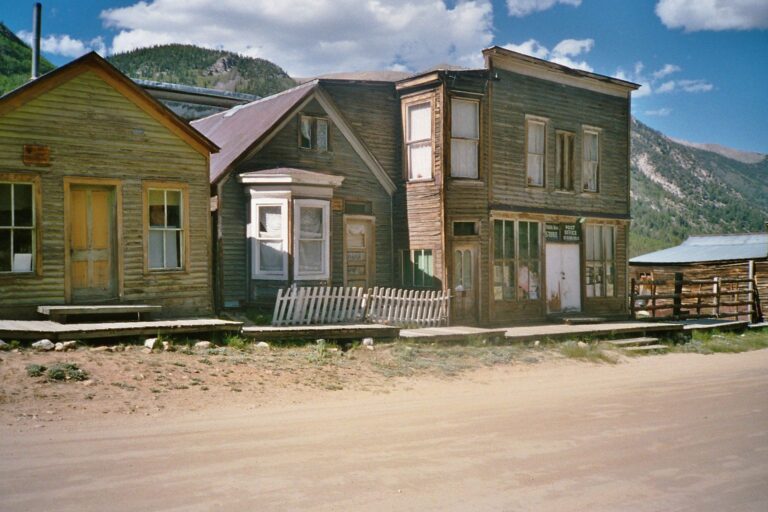
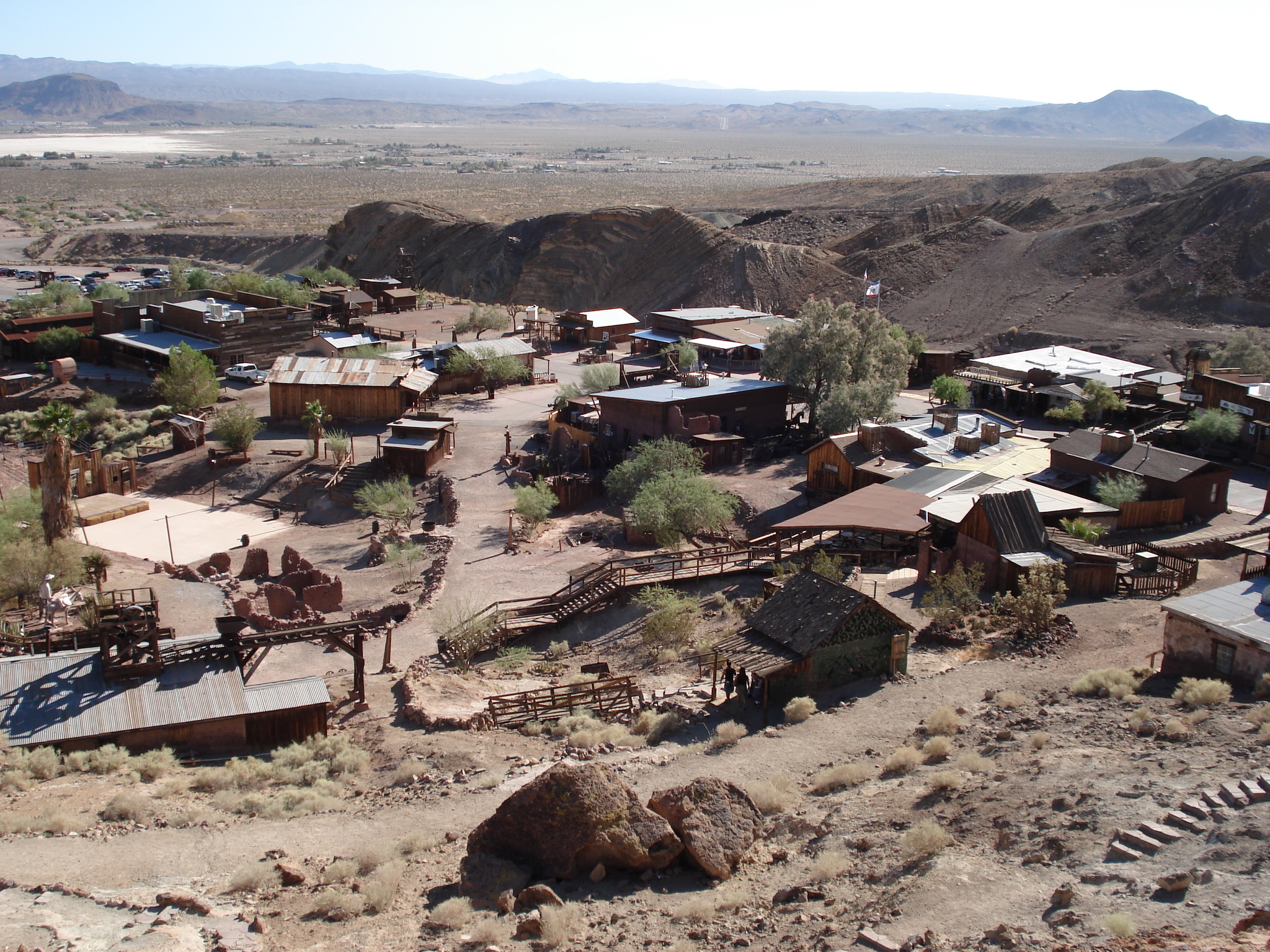
Knott embarked on an ambitious, highly accurate restoration project. Utilizing old photographs and consulting surviving former residents, his team rebuilt the town. While five of the original buildings from the 1880s remain intact—including the Lane House, the Town Office, and Smitty’s Gallery—the rest were painstakingly reconstructed on their original foundations to look exactly as they did during the silver boom.
In 1966, Knott donated the town to San Bernardino County. Today, it stands not just as a ghost town, but as a monument to the mid-century American fascination with preserving the Western frontier.
Exploring Calico today
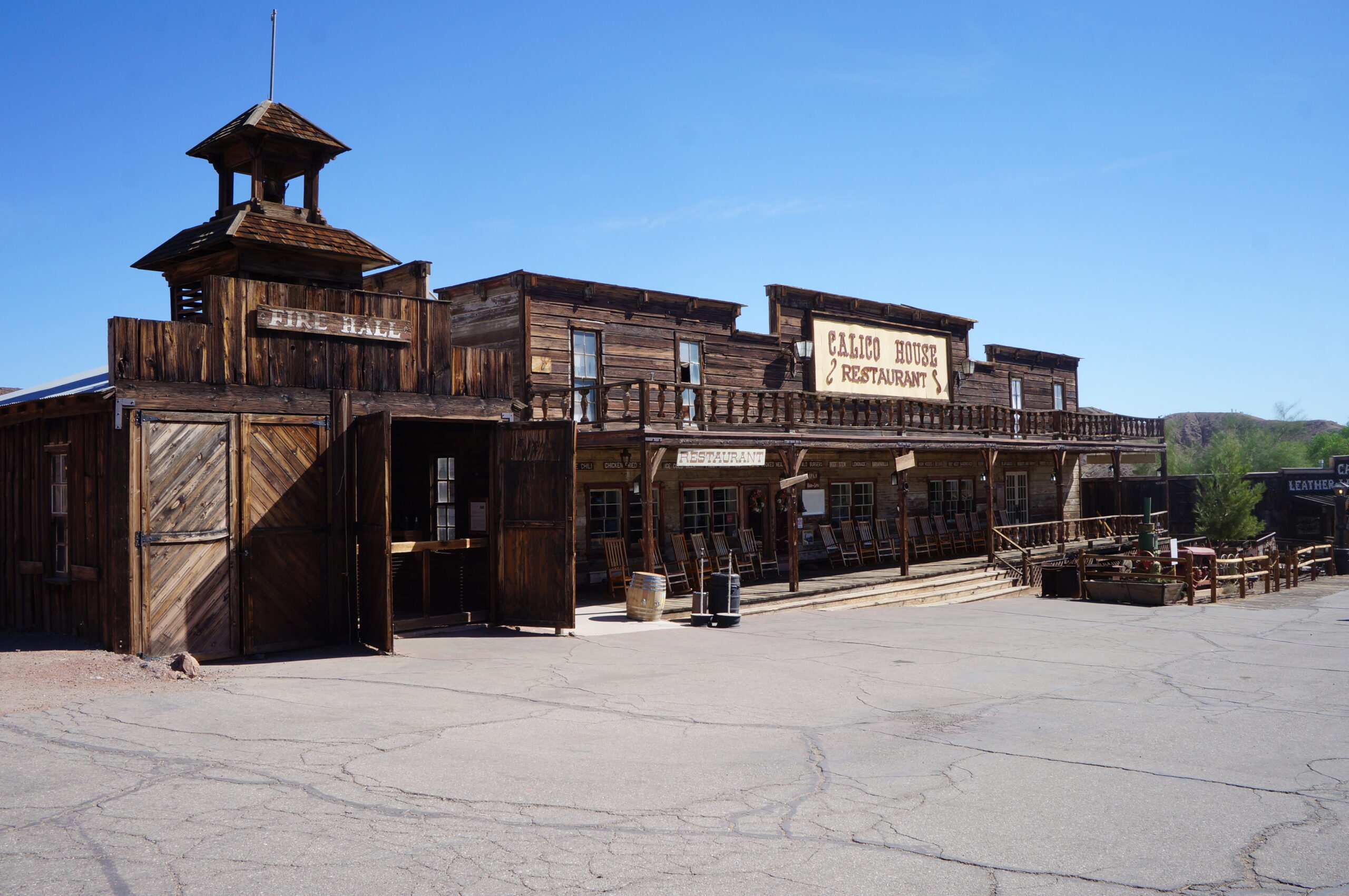
Today, Calico operates as a fully functioning Regional Park. Because of its theme-park origins, it offers an experience different from purely ruined sites like Bodie or Rhyolite. It is highly commercialized but incredibly family-friendly.
Visitors can walk the wooden boardwalks, explore the Maggie Mine, ride the narrow-gauge Calico Odessa Railway, or pan for gold. The town features operational restaurants, a saloon, and numerous gift shops selling everything from sarsaparilla to silver jewelry. Actors in period clothing wander the streets, and mock gunfights are staged for entertainment.
Other stops in the Mojave
Further reading
Sources
San Bernardino County Regional Parks — Calico Ghost Town
California State Parks — California Historical Landmark #782
Knott’s Berry Farm Historical Archives — The History of Walter Knott and Calico
← Back to California Ghost Towns
More ghost towns in California: Cerro Gordo, Bodie