Allensworth, California: The Town Built for Freedom
Most of the ghost towns in California died chasing something out of the ground — gold, silver, copper, quicksilver. Allensworth is different. It was never a mining camp and never chased a boom. It was built on an idea: that in the middle of the Jim Crow era, a community of Black Americans could own their own land, run their own schools, elect their own officials, and answer to no one. For a few remarkable years in the San Joaquin Valley, that idea worked. (California’s handful of non-mining ghost towns are a varied lot: Drawbridge, for instance, was a railroad-built duck-hunting resort now sinking into San Francisco Bay.)
Allensworth remains the only town in California founded, financed, and governed entirely by African Americans. Its rise, its decline, and its rescue as a state historic park together tell a story less about ore and railroads than about self-determination — and about how fragile even the most principled community could be when it depended on water it did not control.
A Colonel’s Vision
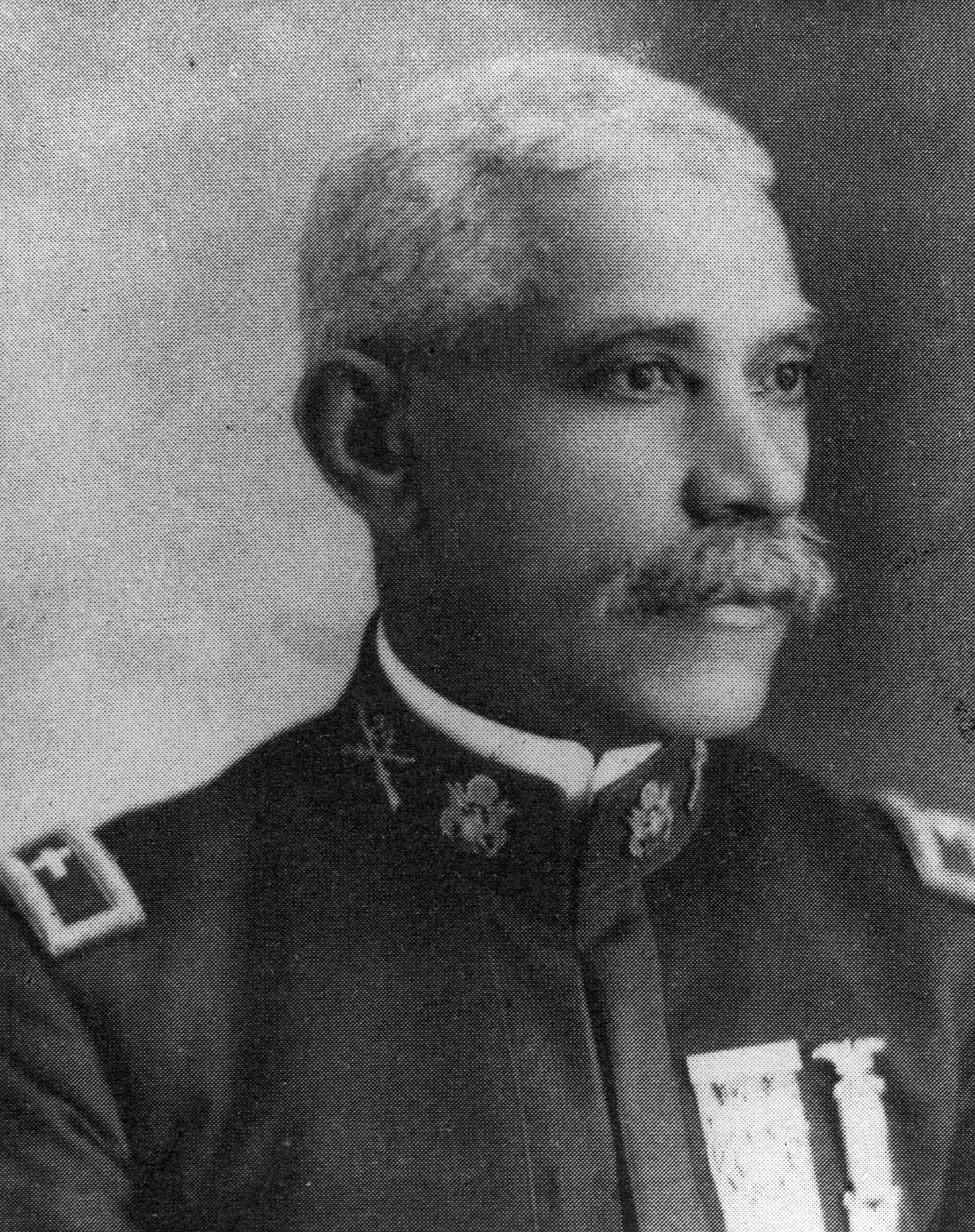
The town takes its name from Colonel Allen Allensworth, whose own life was extraordinary before he ever laid out a townsite. Born into slavery in Kentucky in 1842, he escaped during the Civil War, served in the Union Navy, and later became a chaplain in the 24th Infantry — rising to become the highest-ranking Black officer in the U.S. Army of his day. When he retired, he turned to a new project entirely: building a place where African Americans could live free of the daily humiliations and dangers of the segregated South and the hostile West.
In August 1908 he and a group of partners — including Professor William Payne — established the townsite in Tulare County, on a whistle-stop platform of the Atchison, Topeka and Santa Fe Railway about 30 miles north of Bakersfield. The plan was deliberate and ambitious: a self-sufficient agrarian town where prosperity would come from land ownership, farming, and above all education. This was not a refuge to hide in but a demonstration to the whole country of what Black self-government could achieve.
The choice of location was itself a statement. Rather than settle on marginal scrubland at the edge of a hostile white town, the founders bought good valley acreage astride a rail line, betting that farming and commerce would give the community real economic weight. Lots were sold to families willing to build and stay, and the early settlers came from across the country — teachers, tradespeople, farmers, and Army veterans who had known Allensworth from his chaplaincy. They arrived with capital, skills, and a shared conviction that ownership was the foundation of dignity.
The Town at Its Height
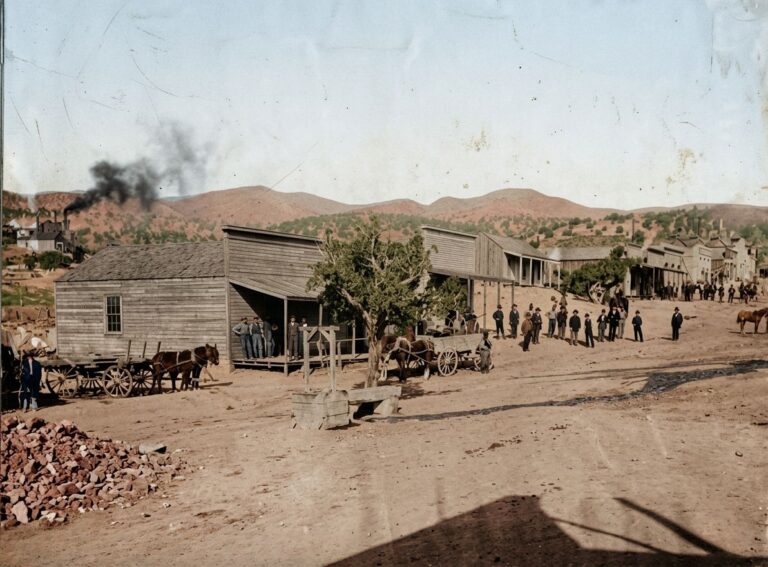
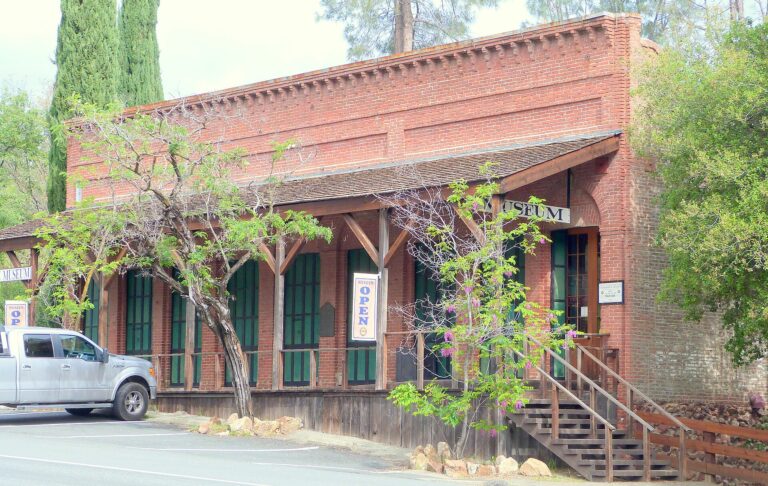
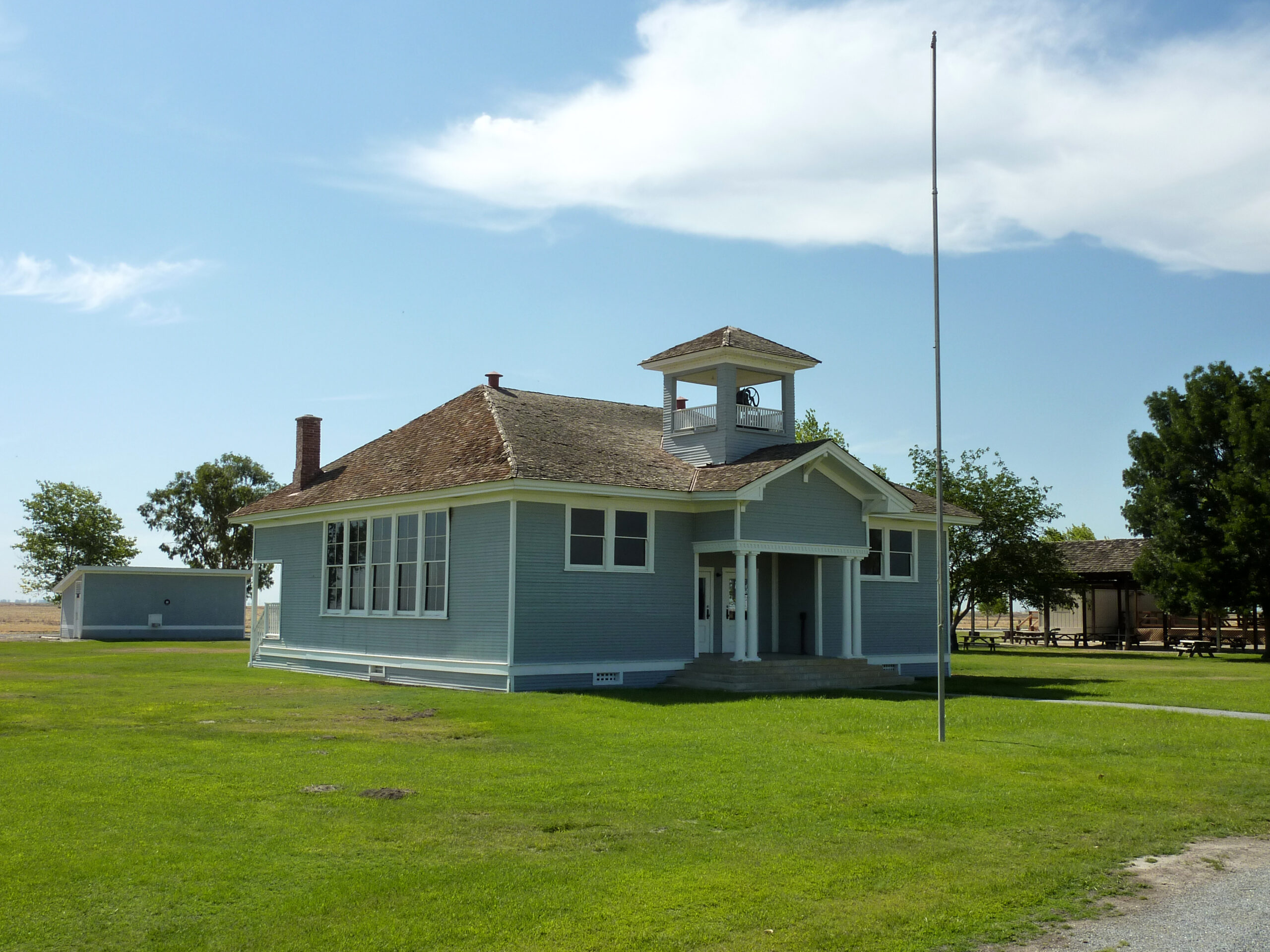
Allensworth grew quickly. By 1914 it held between 250 and 300 permanent residents and had assembled a genuine civic fabric: a public elementary school district, the Allensworth Baptist Church, two general stores, a post office, a judicial district, and the Mary Dickenson Reading Room, which became the first branch of the Tulare County Free Library. National newspapers took notice, holding the town up as a working model of Black enterprise and independence.
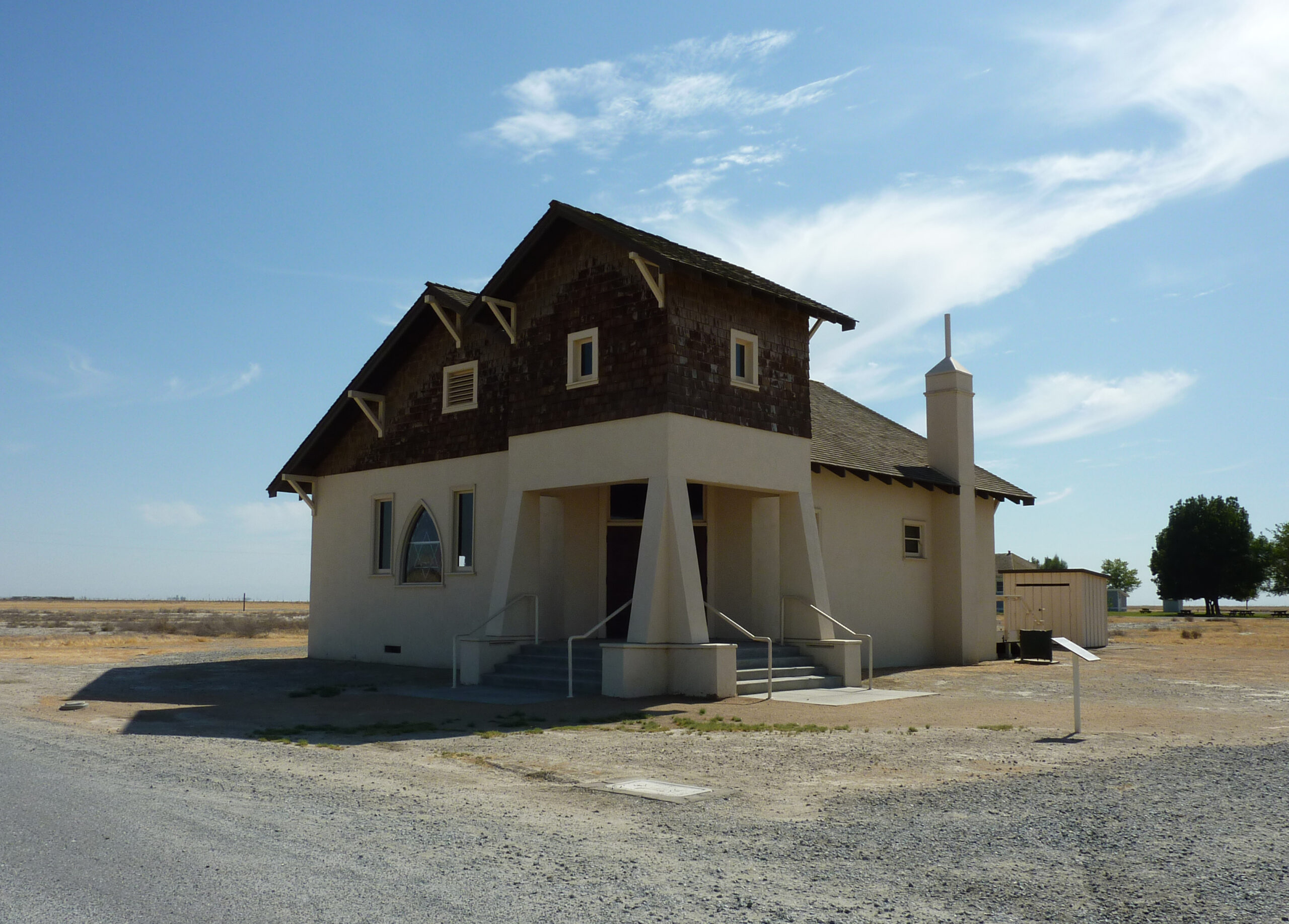
Education sat at the heart of everything. The elementary school was a source of enormous pride, staffed and governed by the community itself, and the reading room put books and a lending library within reach of every family — a rare thing for a small rural town of any kind in that era, let alone one built by formerly enslaved people and their descendants.
Daily life mixed the ordinary and the aspirational. Families raised alfalfa, sugar beets, poultry, and dairy cattle; the general stores kept the town supplied; and the church and reading room anchored a busy calendar of lectures, concerts, and debates. Professor Payne had hoped to found a Tuskegee-style vocational institute here, and while that larger dream was never fully realized, the ambition behind it — education as the engine of a free and prosperous people — shaped the town’s character throughout its brief golden years.
A Black Judge and an All-Black Jury
Nothing captured Allensworth’s challenge to the racial order more sharply than a courtroom scene in September 1915. A white storekeeper named O.A. Simpson, doing business in the town, was arrested for using profane and indecent language. His case came before Oscar Overr, the town’s African American Justice of the Peace, and was tried before an all-Black jury.
The case was, on its face, a minor one. Its significance was symbolic and enormous: here was a community not merely surviving but governing, asserting the ordinary machinery of law on its own terms.
Josephine Allensworth and the Fight to Keep the Library
When Colonel Allensworth died in late 1914, struck by a motorcycle while visiting Los Angeles, the town lost its chief organizer and fundraiser. But his widow, Josephine Allensworth, carried much of the vision forward. She had already built the Mary Dickenson Reading Room in 1913, stocking it with her late husband’s personal library.
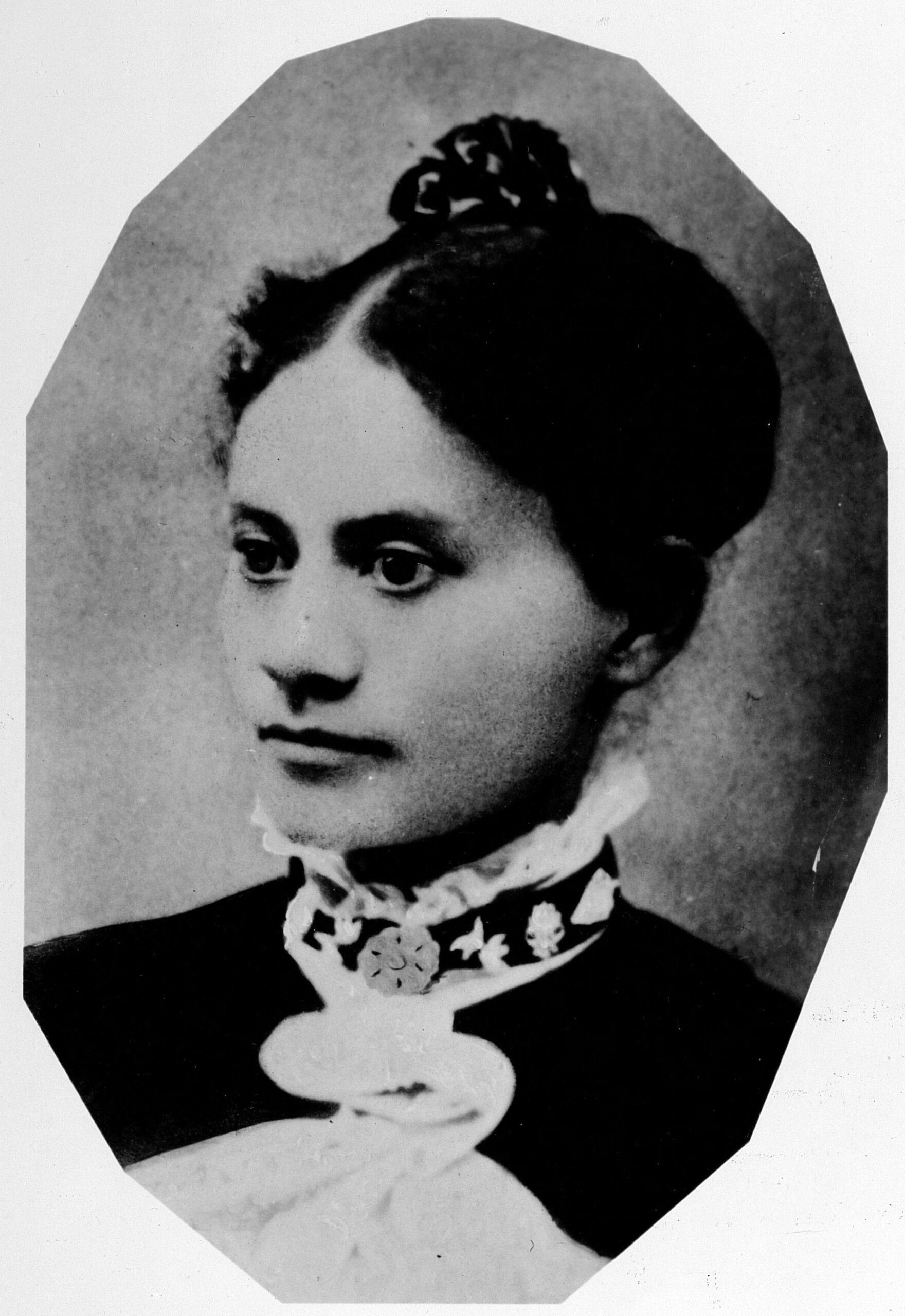
Josephine tried to deed the reading room directly to the town, but county officials told her that because Allensworth was unincorporated, it could not legally hold title to real estate, and pressed her to hand it to Tulare County instead. She resisted for a decade, determined to keep the institution under Black administrative control. Her long standoff is a small, telling example of the legal traps that hemmed in unincorporated minority communities — denied the very self-ownership the town was founded to embody.
Why Allensworth Failed
The town’s decline was not sudden, and it was not the fault of its people. The deepest problem was water. The private land-and-water company that was supposed to supply irrigation never honored its commitments. At the same time, the explosive growth of industrial farming across Tulare County was pumping the regional water table down fast. By the time the community managed to gain control of its own water infrastructure, the table had sunk below what its pumps could reach. Decades later, in 1967, testing found the remaining deep groundwater carried unsafe levels of naturally occurring arsenic — a final insult to a town that had thirsted for so long. Water — its diversion, depletion, or loss — undid more than one California community; Keeler, on the shore of a lake that Los Angeles drained dry, met a parallel fate two valleys east.
Transportation delivered the second blow. In 1922 the Santa Fe built a new rail spur running directly to nearby Alpaugh, bypassing Allensworth and stripping it of its role as a shipping depot, much as a bypassed rail line hollowed out Shasta in the north of the state. Freight and trade traffic drained away. School records chart the human cost with stark clarity: enrollment fell from 40 pupils in 1916 to 17 by 1922 and just 10 by 1926. During World War II, defense-industry jobs pulled most remaining families toward Los Angeles and Oakland, and by the 1960s only a handful of long-term residents and migrant farmworkers were left.
Rescue and Revival
The town might have vanished entirely under the plows of industrial agriculture had it not been for Ed Pope, an African American landscape architect with California State Parks who had once lived in Allensworth. In the late 1960s he pushed hard to preserve the site, arguing that the state’s historic parks contained almost no Black history and warning that farming corporations would soon erase what remained. In 1974 California State Parks bought the townsite and created Colonel Allensworth State Historic Park.
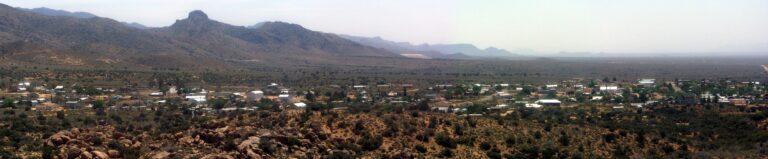
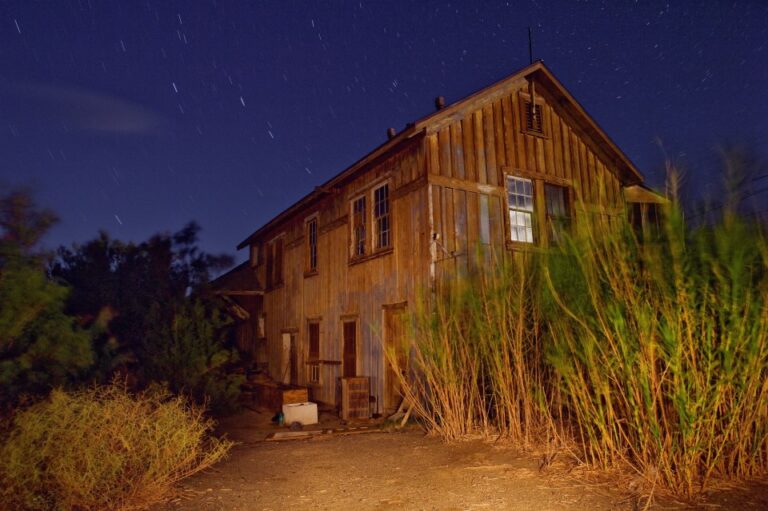
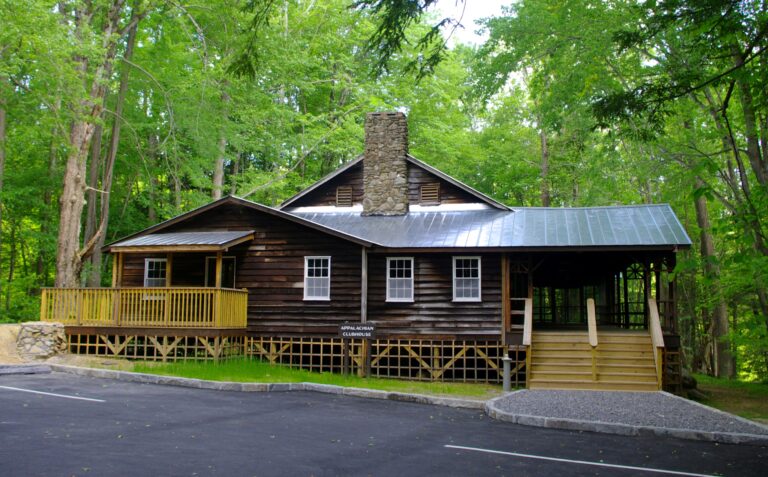
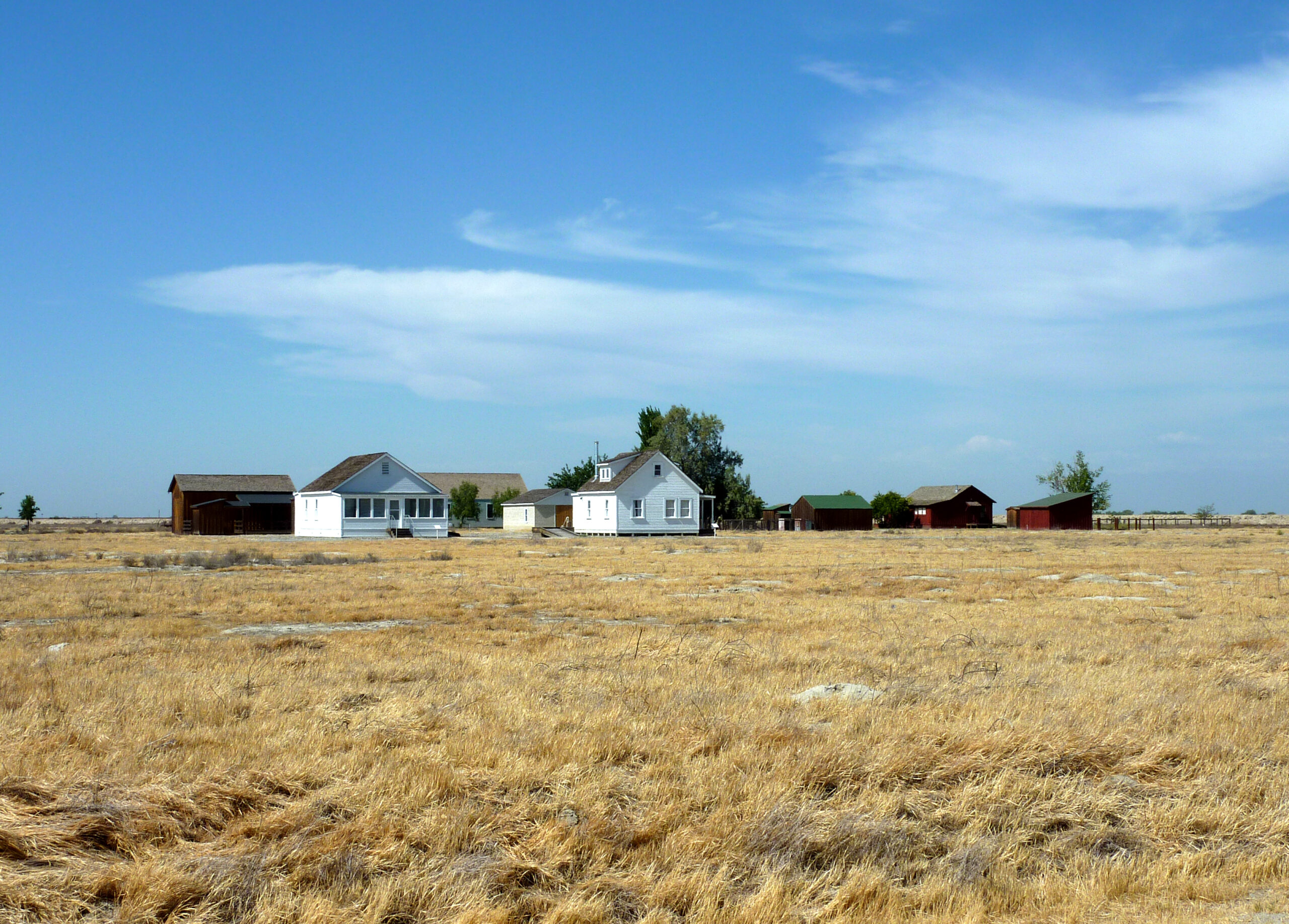
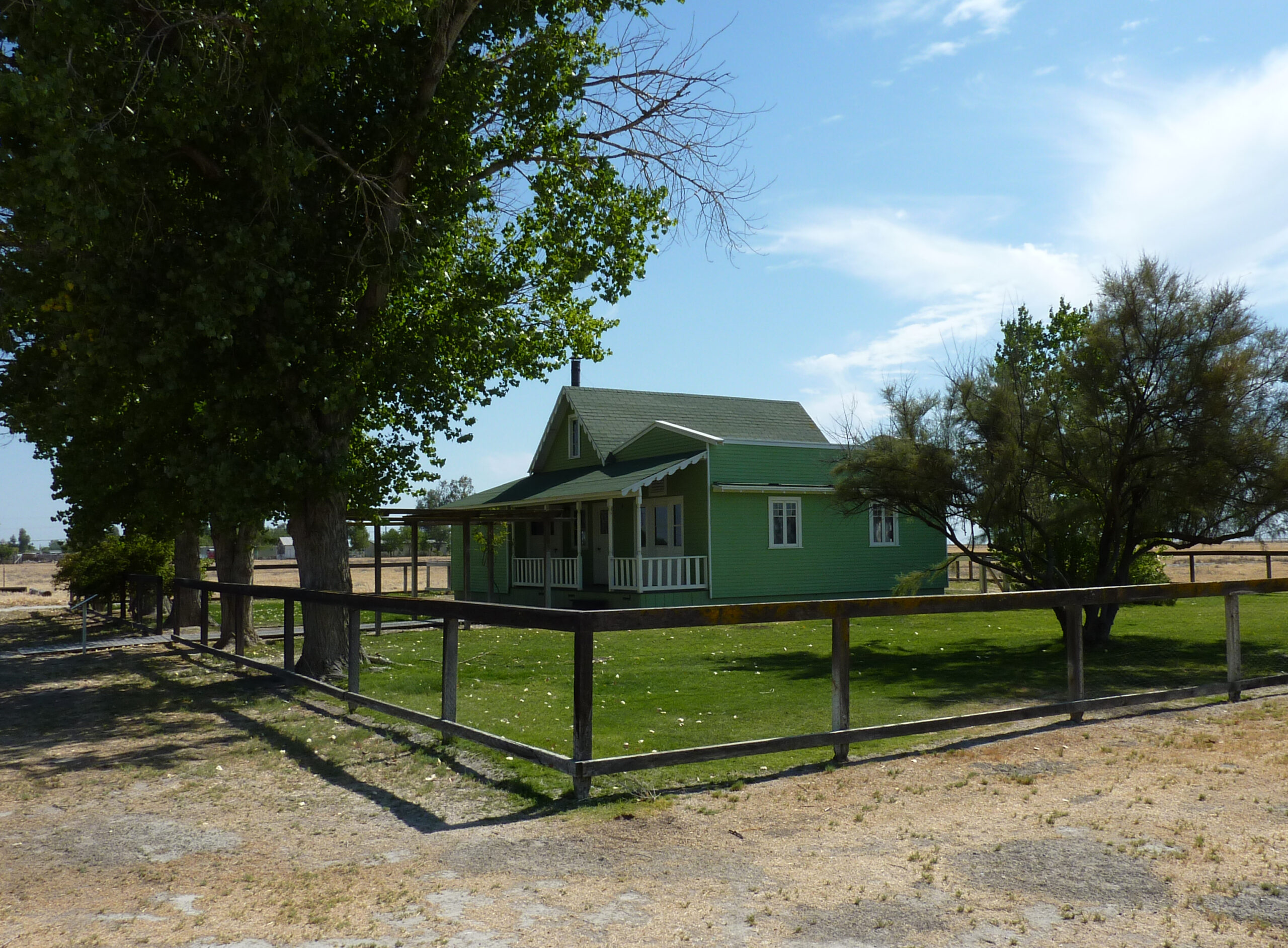
Today the park covers about 60 acres and includes roughly twenty restored or reconstructed buildings, among them the Allensworth residence, the schoolhouse, the Baptist church, the reading room, the Hindsman general store, and the Oscar Overr house. Alongside the park, a present-day unincorporated community of around 500 people is working through groups like the Friends of Allensworth and the Allensworth Progressive Association to install solar microgrids, replace aging water storage, and build a climate resiliency center with fresh food and health services — a fitting continuation of the founders’ self-reliant spirit.
That the town declined does not diminish what it proved. For a generation, Allensworth was living evidence that Black Americans, given land and left alone, would build schools, courts, libraries, and churches every bit as capable as anyone else’s. Its failure was one of water and rails and the deliberate structural disadvantages faced by an unincorporated Black community — not of vision or character. Preserved now as a park, it asks visitors to remember both the achievement and the forces arrayed against it.
Getting There
Nearby Historic Sites & Ghost Towns
Sources: Alice C. Royal, Mickey Ellinger & Scott Braley, Allensworth, The Freedom Colony · Charles Alexander, Battles and Victories of Allen Allensworth · Michael Eissinger, African Americans in the Rural San Joaquin Valley · California State Parks · California State Archives, Department of Education records. Photos: park townsite, church, school, and house — Bobak Ha’Eri (CC BY 3.0); portraits of Colonel and Josephine Allensworth — UCLA Library Digital Collections / Miriam Matthews Collection (public domain).