Keeler, California: The Lakeport That Outlived Its Lake
Most ghost towns die when their reason for existing runs out. Keeler managed something stranger: it outlived not just its mines but the lake it was built to serve. Perched on the eastern shore of Owens Lake in California’s Inyo County, this little settlement began life as a shipping point for silver hauled down off the mountains, grew into a railroad terminus, and then watched the water in front of it vanish into a hundred square miles of blinding salt flat. What remains today is a scatter of weathered buildings, a wooden depot at the end of a line that no longer exists, and a handful of residents living quietly beside one of the strangest industrial ruins in the American West. Elsewhere in the state, a similar railroad town made the opposite choice: Drawbridge, on San Francisco Bay, simply let the tide swallow it whole.
Keeler’s story is really the story of the whole Owens Valley in miniature: mineral wealth pulled from the Inyo Mountains, an ingenious tangle of steamboats and mule trains and narrow-gauge rails to move it, and finally the arrival of distant Los Angeles, whose thirst rewrote the map of the entire basin.
An Earthquake Builds a Town
The town owes its existence, oddly enough, to a disaster. Before dawn on March 26, 1872, the Lone Pine earthquake tore through the Owens Valley, one of the most violent quakes in California’s recorded history. Along the eastern edge of Owens Lake the ground shifted, and the uplift left the loading pier and smelter at the nearby port of Swansea sitting uselessly above the waterline.
That was a serious problem, because Swansea was the lake outlet for the fabulously rich silver-lead ore coming out of the Cerro Gordo mines high in the Inyo Mountains. With the old pier stranded, freight operators simply moved south a few miles to reach navigable water again, establishing a new landing first called Cerro Gordo Landing and, for a time, Hawley. From here, boats could still cross the lake, and the ore kept moving.
In late 1879 a man named Captain Julius M. Keeler arrived as an agent for the Owens Lake Mining and Milling Company. In March 1880 he laid out a proper townsite and oversaw construction of a large reduction mill built to process silver ore brought down the notorious “Yellow Grade” — a wagon road that dropped roughly 5,000 feet over five brutal miles from Cerro Gordo. The growing settlement soon took his name.
Steamboats on a Desert Lake
For a brief window, Owens Lake carried real maritime traffic. Ore was milled at Keeler into silver-lead ingots, then loaded aboard steamships — chiefly the Bessie Brady — that carried the heavy bars across the water to the western landing at Cartago. There, freighter Remi Nadeau’s enormous mule-drawn wagons picked up the ingots for the long overland haul south to Los Angeles.
It was a peculiar sight: steamboats churning across a saline desert lake, ferrying bullion between mountain ranges. The arrangement cut days off the journey and, for a few years in the late 1870s and early 1880s, made Keeler a genuinely busy place.
The Slim Princess Arrives
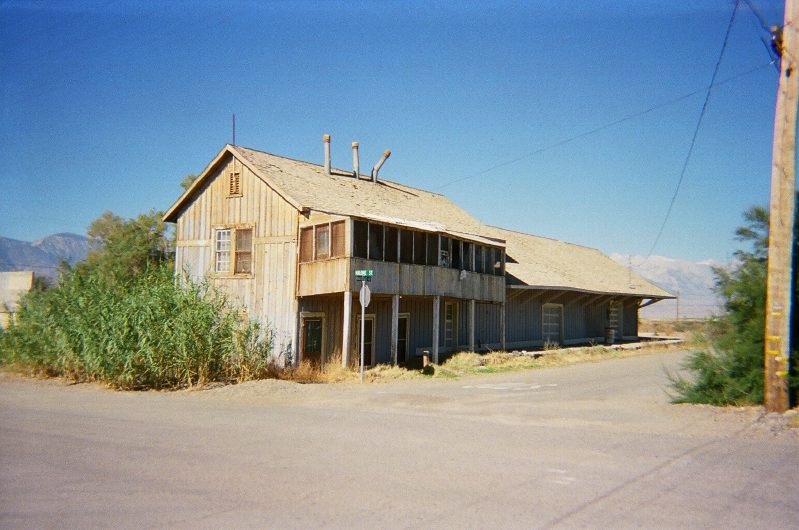
In 1883 the narrow-gauge Carson & Colorado Railroad reached Keeler and made it the southern end of the line. The three-foot-gauge railway earned an affectionate nickname — the “Slim Princess” — for its dainty track width. Nevada financier D.O. Mills is supposed to have complained on its completion that the road had been built either far too long or far too early, and in strict business terms he had a point.
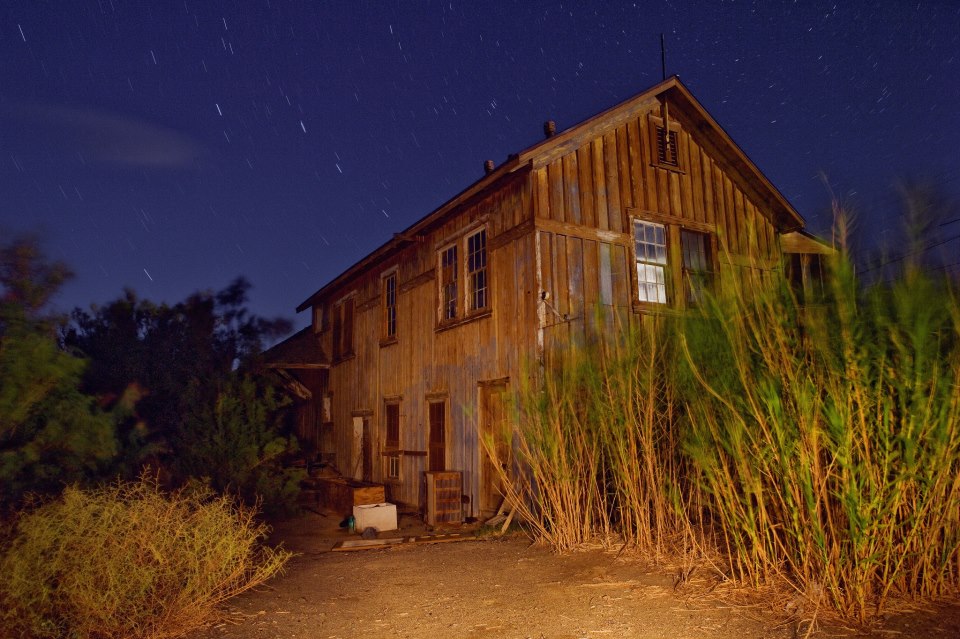
Yet the Slim Princess proved him wrong by simply refusing to die. For nearly eight decades it was the economic lifeline of the Owens Valley, and its narrow rails and vintage rolling stock were photogenic enough to turn up in Hollywood westerns before the last train finally ran. The wooden depot built at Keeler in 1883 still stands, one of only three original Carson & Colorado depots surviving where they were built.
Zinc, Soda, and the Art of Survival
When silver prices collapsed at the end of the 19th century, Keeler did something most mining camps never manage: it reinvented itself. A fresh boom ran from roughly 1907 to 1911 after rich zinc deposits turned up at Cerro Gordo’s Union Mine. Investors built a 200-ton zinc smelter at Keeler and strung a five-mile aerial tramway down the mountain face, its buckets carrying ore directly from the high mines to the railhead below.
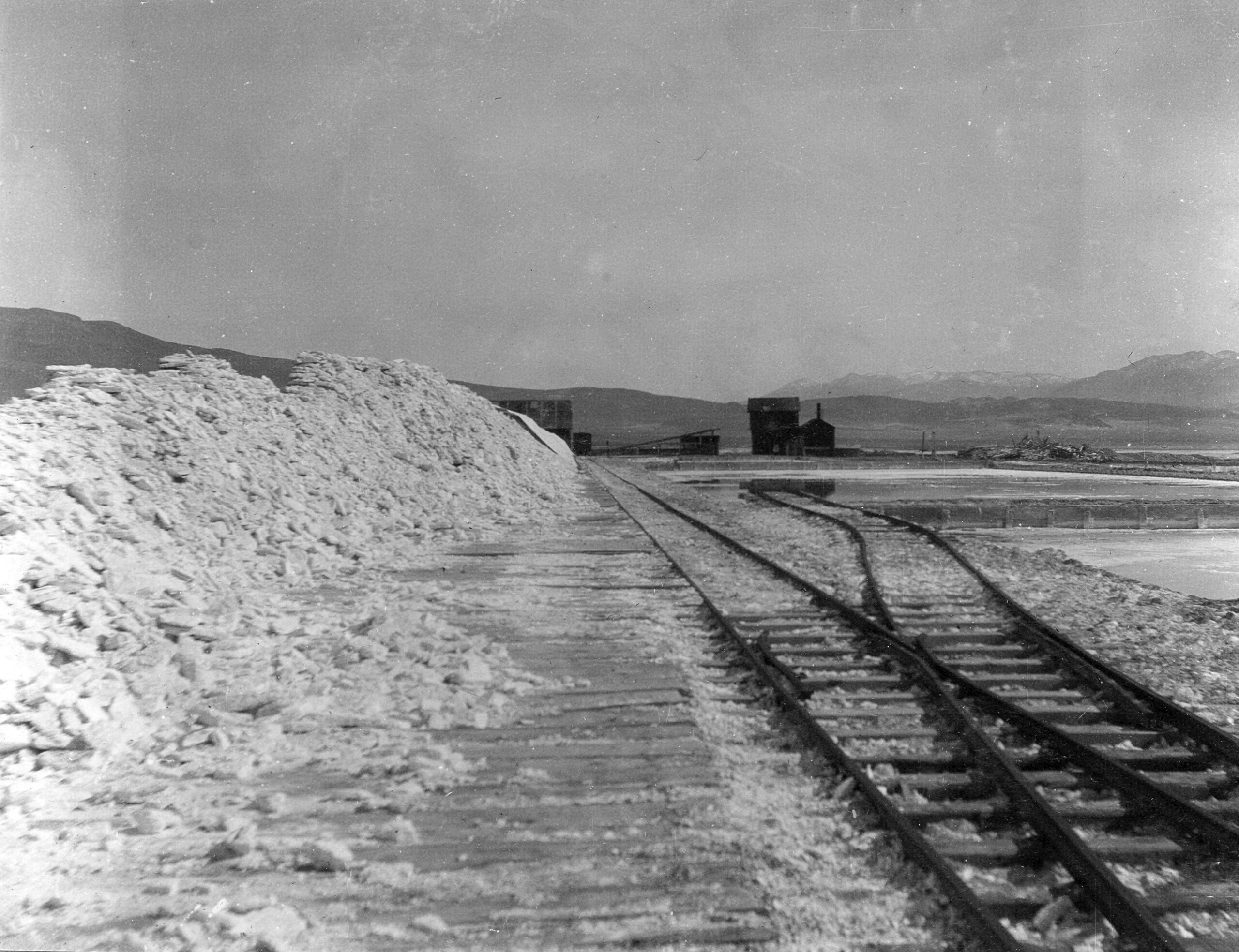
At the same time, the drying margins of the lake gave rise to an entirely different trade. Companies such as the Inyo Development Company and the Natural Soda Products Company harvested soda ash and mineral salts straight from the lakebed, the latter operating south of town from 1916 into the early 1950s. Marble and limestone quarried from the surrounding foothills supplied building stone for projects as far away as San Francisco and Los Angeles. Each new industry bought the town a few more years.
The City That Drank the Lake
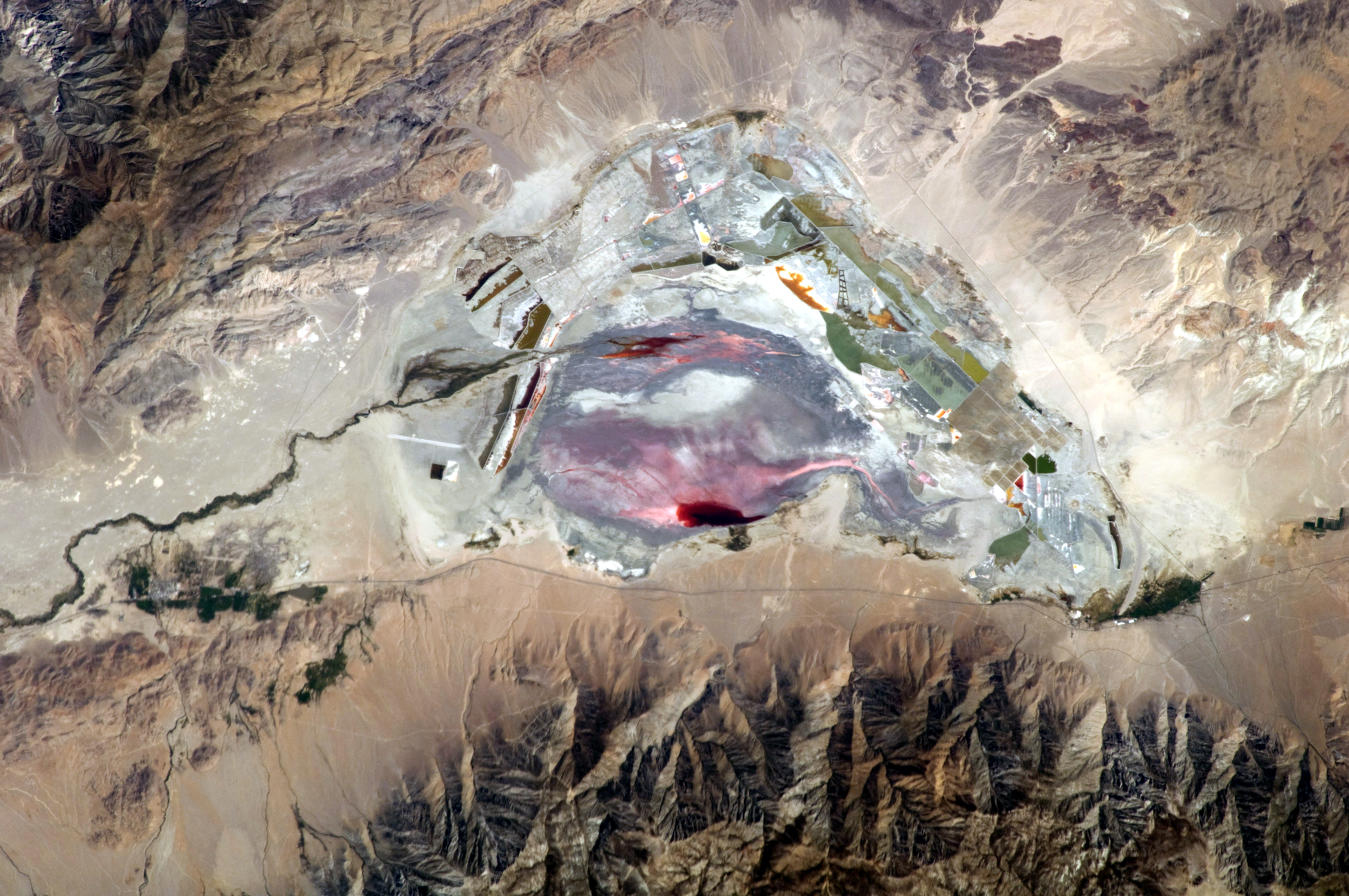
Keeler’s slow undoing came not from a played-out vein but from a distant city. In 1913 Los Angeles completed its aqueduct and began diverting the headwaters of the Owens River south toward the coast. Deprived of its main inflow, Owens Lake shrank fast and, by the late 1920s, had evaporated into a roughly 110-square-mile dry salt flat.
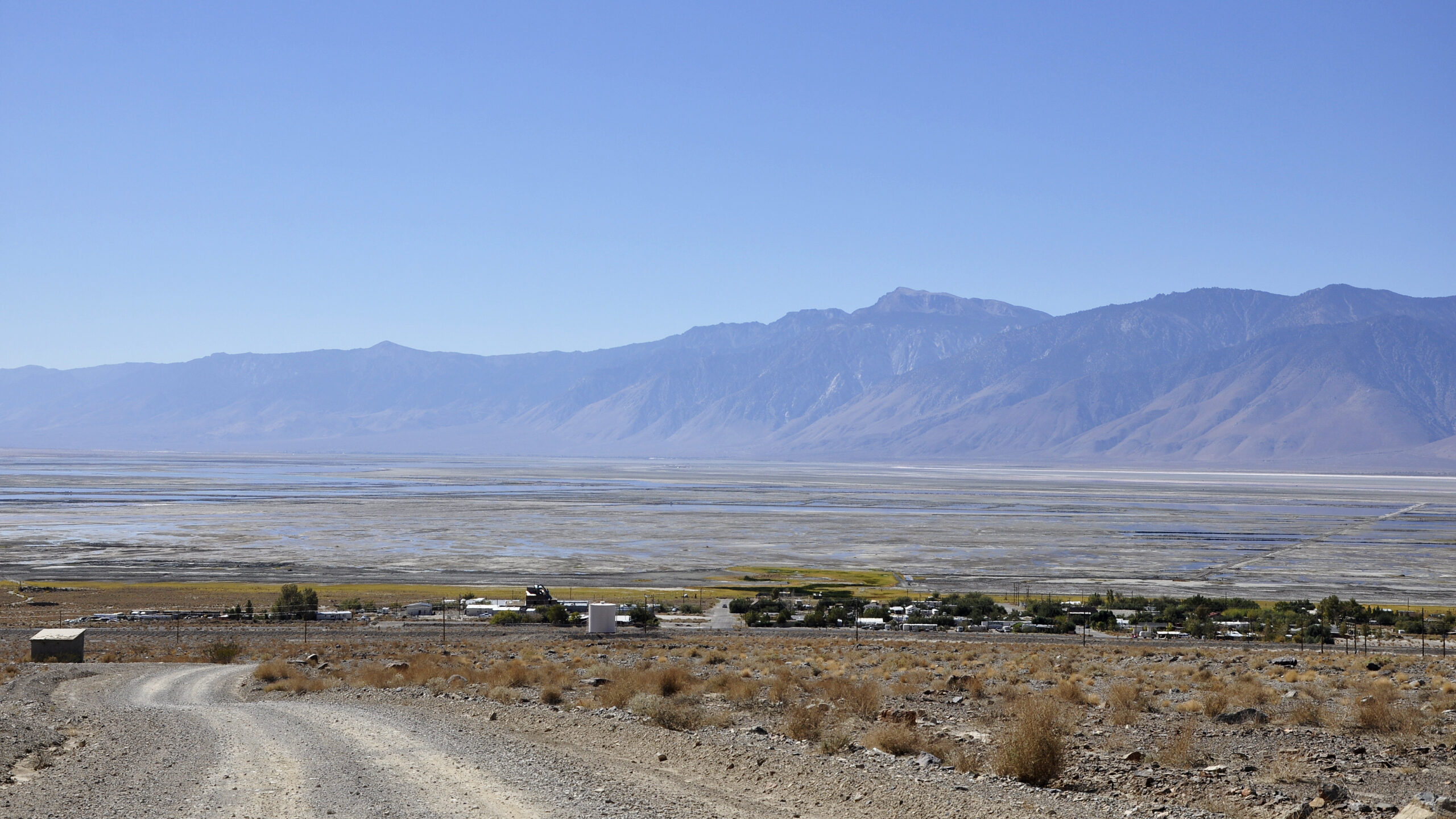
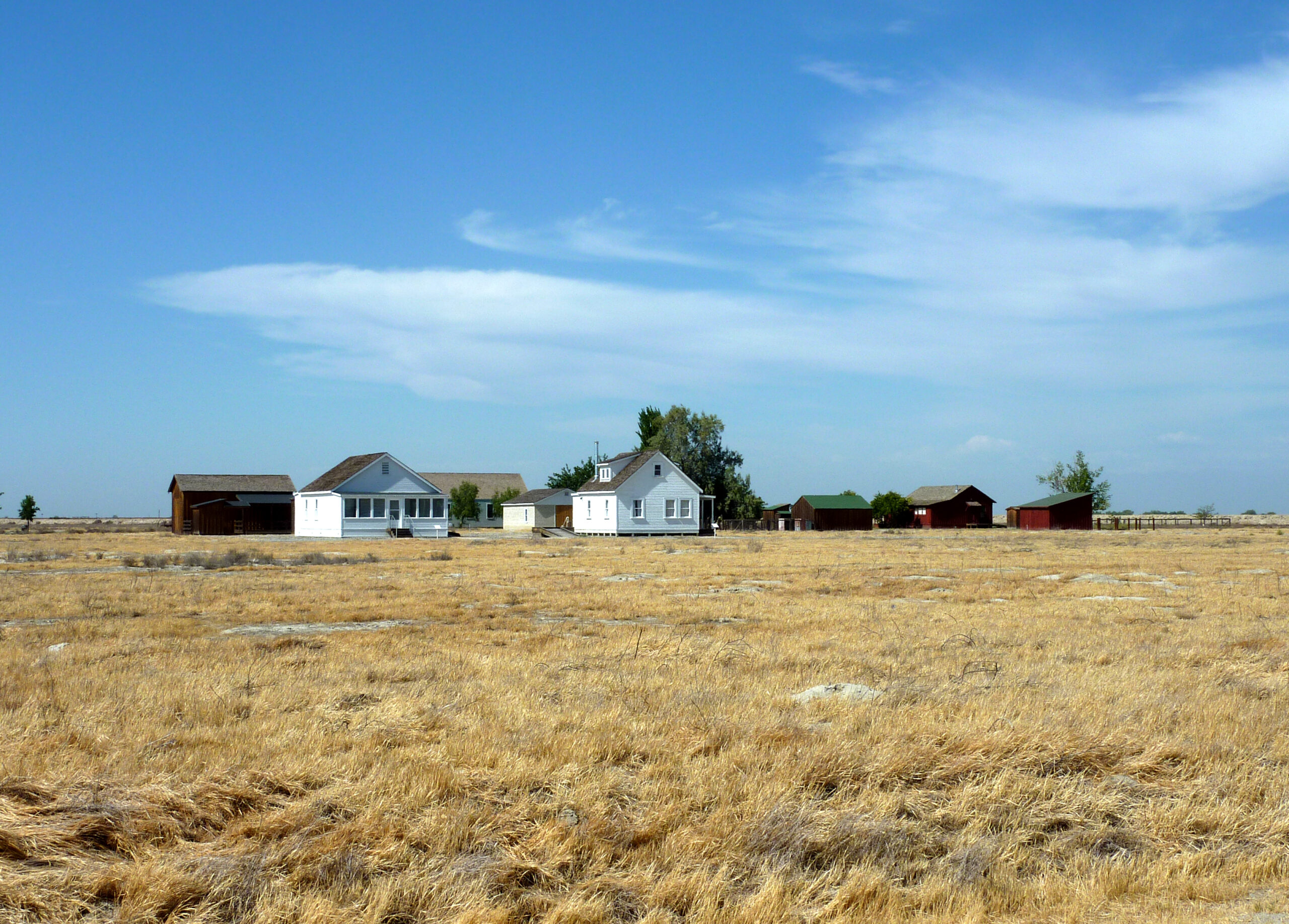
The lake’s death changed everything. The “lakeport” now sat beside a dust bowl. When the wind came up off the exposed bed it lifted clouds of fine alkali dust laced with metals, and for a stretch of the late 20th century Keeler was rated among the most air-polluted spots in North America. Families left; nobody new arrived. It is hard to sell real estate beside a toxic dust storm. Water, or the loss of it, has emptied other California towns too: Allensworth, the Black freedom colony up in the San Joaquin Valley, withered when its promised irrigation never came and the water table sank out of reach.
The Last Train
The final blow was the loss of the railroad. The Carson & Colorado had passed to the Southern Pacific in 1900, but as the mines closed its freight dried up. Soda-ash traffic kept the branch limping along for a while, until highway trucking made the little narrow gauge obsolete. On April 30, 1960, the Southern Pacific ran its last train through Keeler and then pulled up the rails. With the tracks gone, the town’s final commercial tie to the outside world was severed.
The Bessie Brady and the Sunken Silver
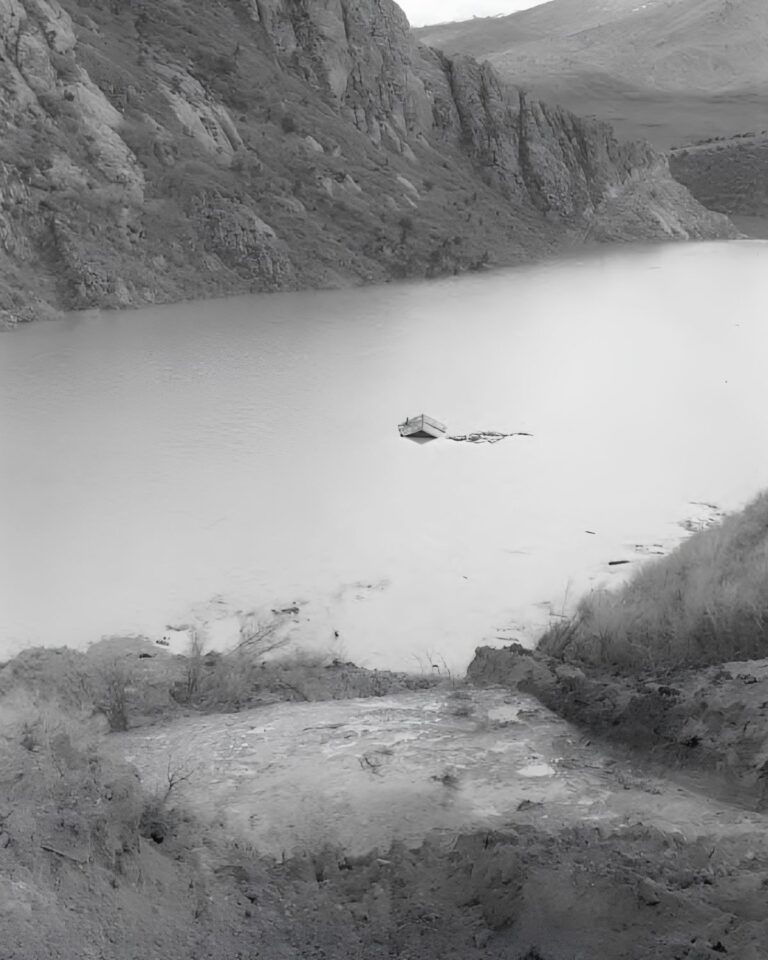
No Owens Lake story is complete without the Bessie Brady. Built in 1872 by James Brady, the 85-foot steamer could haul some 700 silver ingots per crossing, and for a decade she was the workhorse of the lake. On May 11, 1882, while hauled up at the Keeler shore for an overhaul to receive the more powerful engines of the Mollie Stevens, a mix of paint, oil, and tar aboard caught fire. She burned to the waterline, and with her went commercial steam navigation on Owens Lake.
Ever since, treasure-hunters have repeated a story that some $200,000 in silver or gold lies at the bottom of the lake — either aboard the burning boat or spilled from a freight wagon that supposedly slid off a deck in a storm. It’s a wonderful tale and almost certainly untrue. Contemporary accounts agree the Bessie Brady was empty and on shore for repairs when she burned, and no record documents a lost bullion wagon. The only thing sunk here is the myth.
What Still Stands
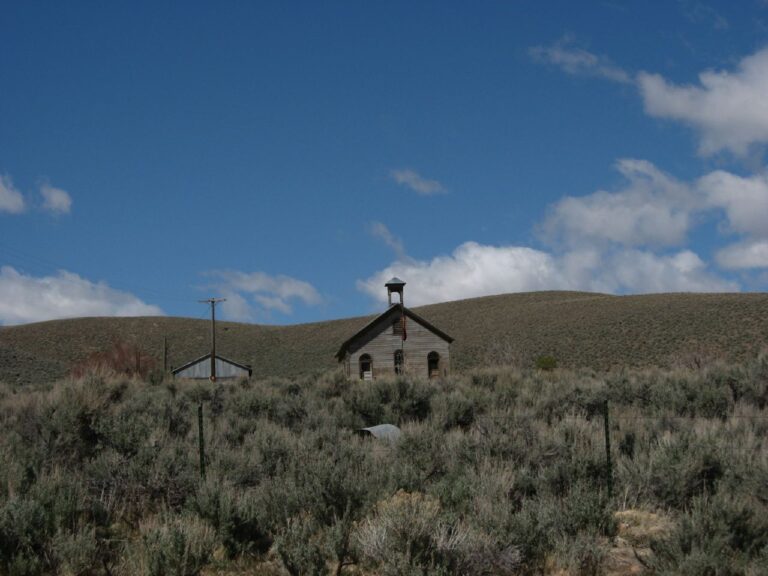
For a town this battered, Keeler retains a remarkable amount. The 1883 railroad depot anchors the site at the old end of the line. Nearby survive the historic schoolhouse, the old post office, and the weathered front of the Keeler Market, along with wood-frame miners’ cottages, barns, and outbuildings scattered among vintage travel trailers, mid-century cars, and old school buses slowly returning to the desert.
Around the edges lie the industrial bones: concrete foundations of the soda plants, loading docks, and the wooden towers and steel cables of the aerial tramway climbing toward Cerro Gordo. Across CA-136 sits the Keeler Cemetery, where the graves of prospectors, miners, railroad hands, and valley pioneers date back to the late 1800s. Keeler sits at the heart of a whole constellation of Inyo and Panamint mining ruins — from Cerro Gordo just up the grade to the adobe remnants of Ballarat out toward Death Valley.
Getting There
Nearby Ghost Towns & Historic Sites
Sources: David F. Myrick, Railroads of Nevada and Eastern California · Walter N. Frickstad, A Century of California Post Offices · Cecile Page Vargo, Cerro Gordo Mining in the 1900’s · U.S. Geological Survey historical photo collection · Inyo County historical records. Photos: depot — Stammberger1973 (CC BY-SA 3.0) and Daveblack (CC BY-SA 3.0); townsite over Owens Lake — Paul Hermans (CC BY-SA 4.0); 1901 soda works — M.R. Campbell / USGS (public domain); Owens Lake from orbit — NASA / ISS Expedition 28 (public domain).