Terrace Ghost Town, Utah: The Railroad Town That Vanished When the Trains Stopped
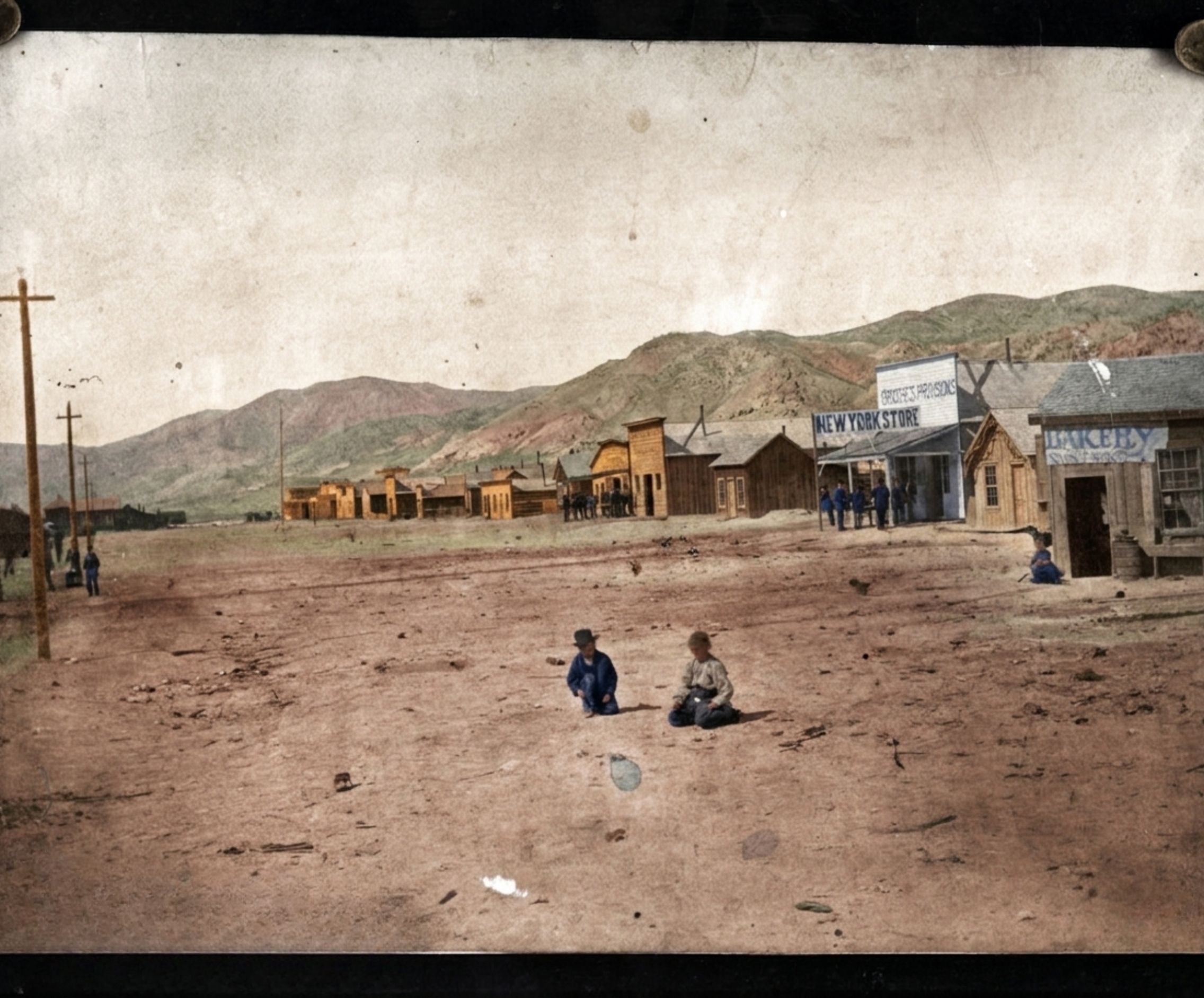
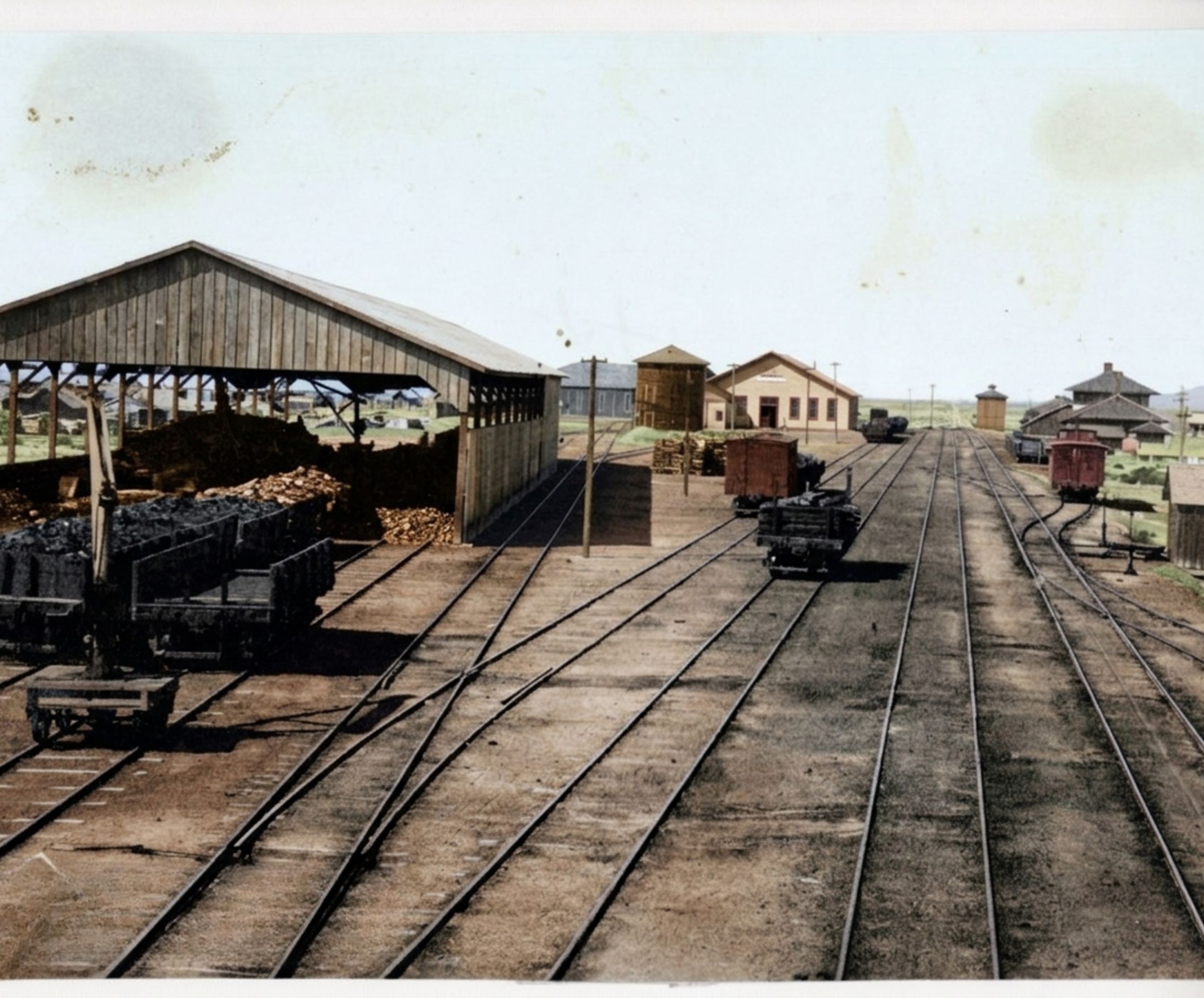
In April 1869, as the Central Pacific Railroad pushed east through the Utah desert toward its historic meeting with the Union Pacific at Promontory Summit, the railroad built a town from nothing in the middle of the Great Salt Lake Desert. Terrace was designed not as a settlement but as a machine — a purpose-built maintenance and repair headquarters with a 16-stall roundhouse, an eight-track switchyard, and all the infrastructure needed to keep steam locomotives running across one of the most remote stretches of the transcontinental railroad. For thirty-five years it worked. Then, in 1904, the railroad found a better route. The trains stopped coming. And Terrace slowly disappeared into the desert.
“Terrace’s economy was chiefly dependent upon the railroad. After the Lucin Cutoff rerouted transcontinental traffic, trains dropped from roughly ten a day to three trains a week.” — Bureau of Land Management, Rails East to Promontory
Built for a railroad — and nothing else
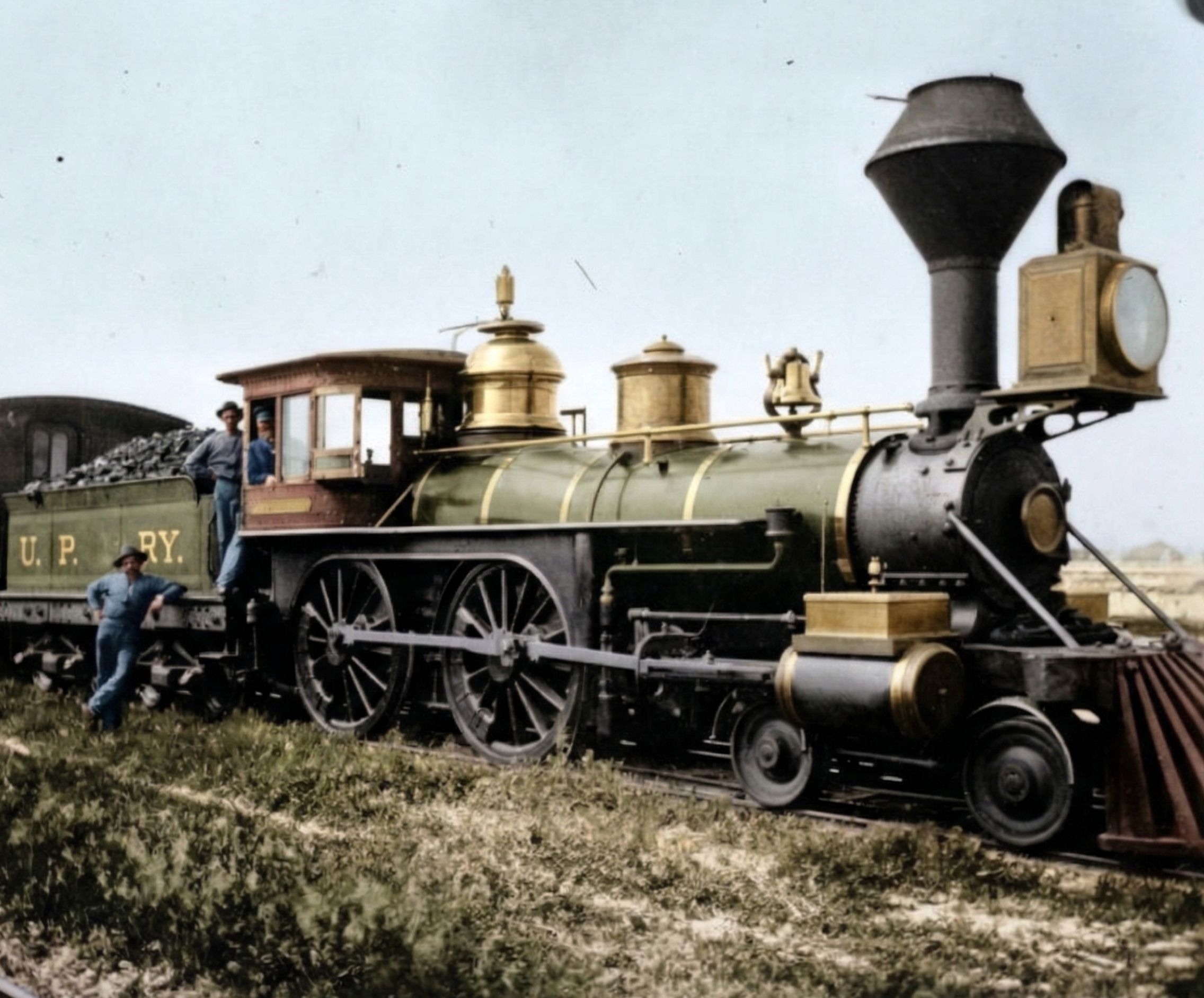
To understand Terrace you need to understand how steam locomotives worked. In 1869, a steam engine couldn’t run indefinitely without stopping for water, fuel, and maintenance. The Central Pacific needed service points spaced at regular intervals across its route, and Terrace was positioned as the midpoint between Elko, Nevada and Ogden, Utah — a strategic location that made it the logical site for the railroad’s main maintenance and repair headquarters for the Salt Lake Division.
The facilities were substantial. The 16-stall roundhouse could shelter and service multiple locomotives simultaneously. The eight-track switchyard handled the complex movement of trains, cars, and equipment. Coal sheds, water tanks, a machine shop, and repair facilities completed the industrial complex. This was not a frontier town that happened to have a railroad running through it — it was a railroad facility that happened to also have a town growing around it.
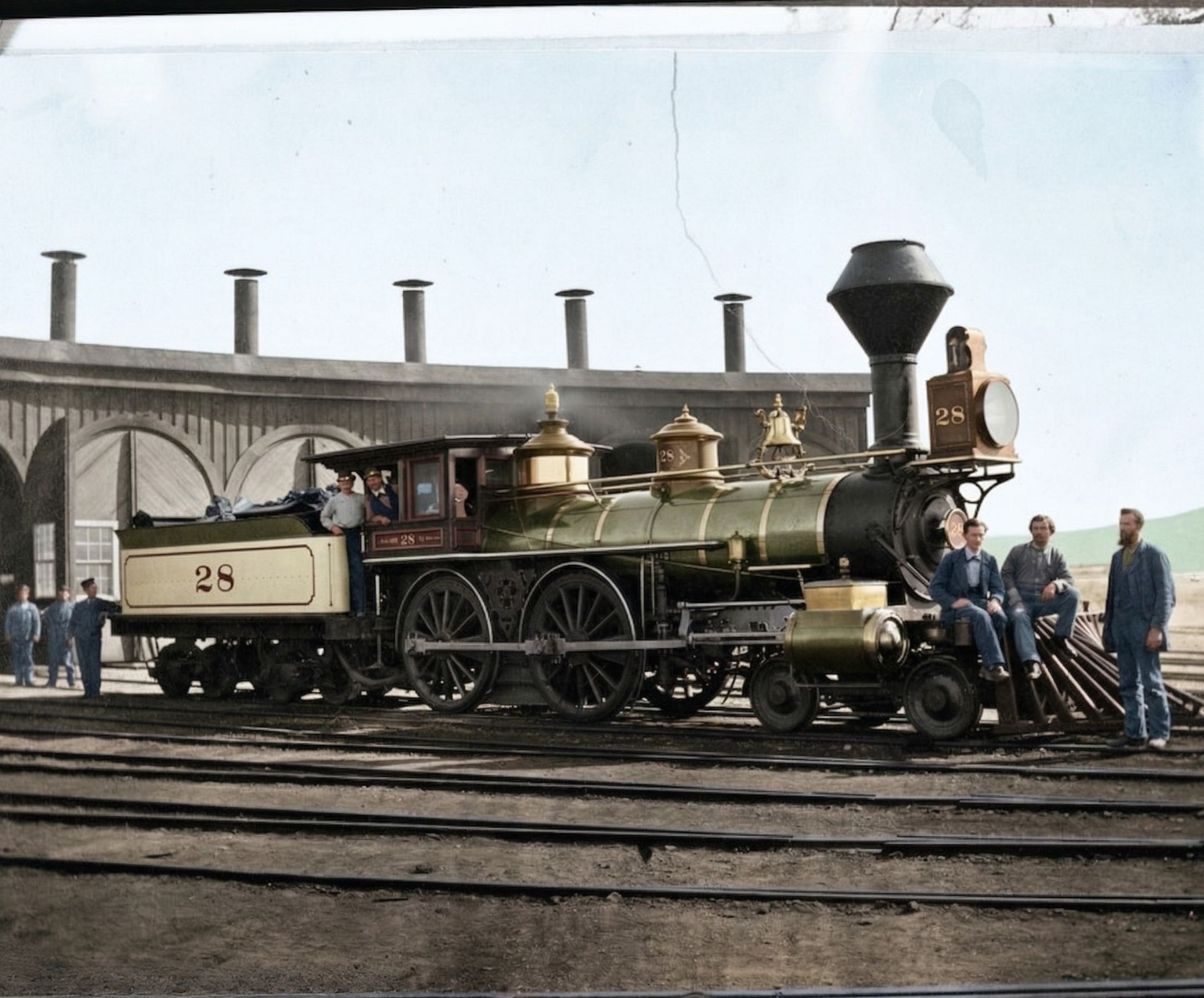
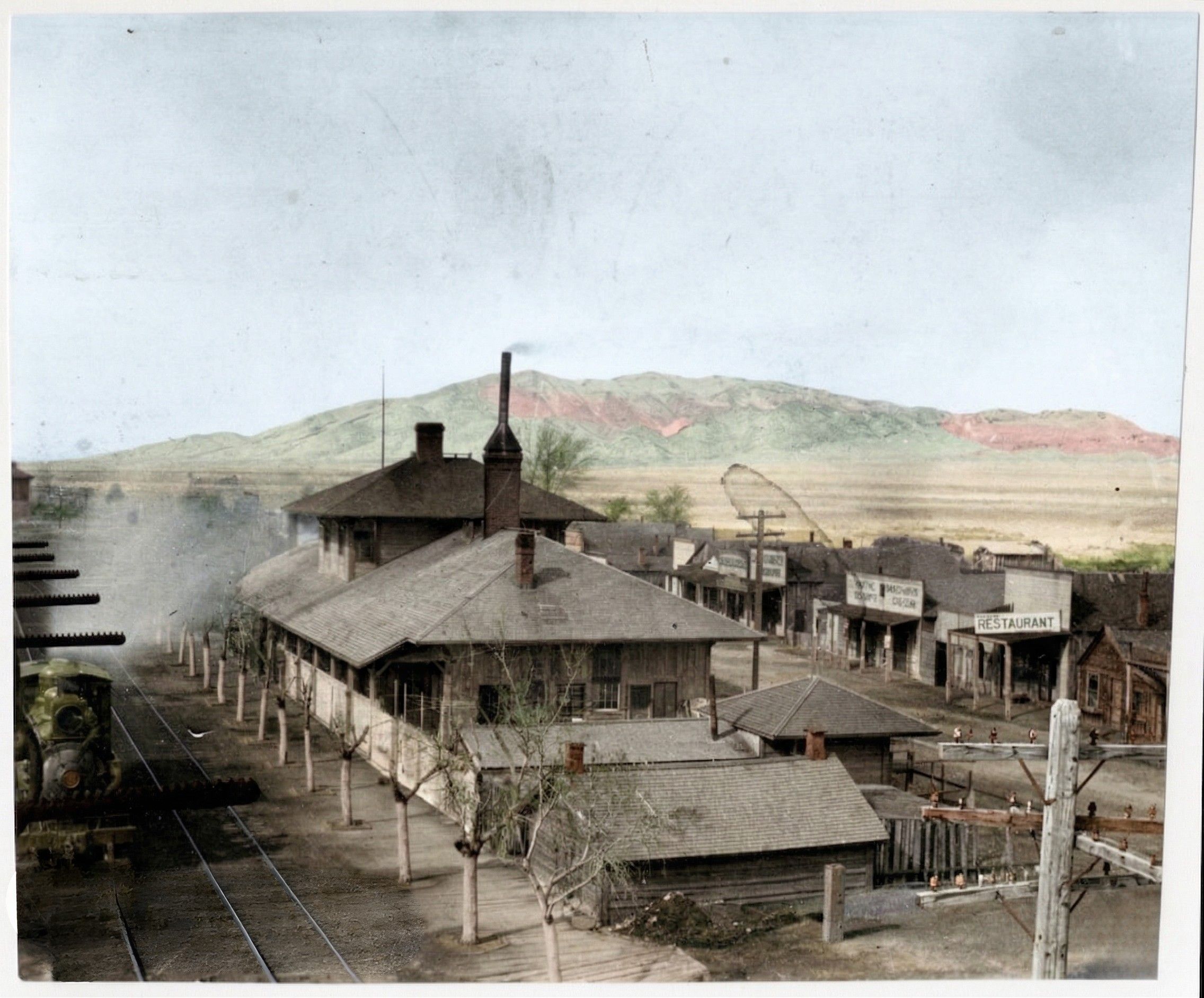
The town that grew around the railroad facilities was genuinely multiethnic and complex. By 1879 the recorded population had reached 350 people. The 1900 Utah State Gazetteer described Terrace as supporting business stores, a school, express services, railroad and telegraph agents, hotels, groceries, restaurants, and a post office. There was even a communal center called the Athenium, with bathhouses and a reading room.
The Chinese community at Terrace
Terrace had a substantial Chinese community whose story is only now being fully told. The 1880 U.S. Census recorded 54 Chinese residents in Terrace — one of the largest concentrations of Chinese railroad workers in Utah at the time. Their occupations included railroad employment, storekeeping, laundry, and tailoring. They lived in a spatially segregated area at the east end of town, on the back side of the industrial works — a pattern of racial segregation common across railroad towns of the era.
Recent archaeological work at Terrace has dramatically expanded what we know about daily life in this community. Excavations have uncovered the remains of a Chinese worker house and significant artifact assemblages including traditional Chinese medicine containers and Chinese coins — material evidence of foodways, health practices, and community life that written records rarely captured. This work, conducted in partnership between archaeologists and the BLM, has established Terrace as one of the most important sites for understanding the Chinese railroad worker experience in the American West.
The Chinese contribution to building the transcontinental railroad — and to sustaining it afterward at places like Terrace — is a central part of this site’s historical significance, not a footnote.
The Lucin Cutoff — one engineering decision that ended a town
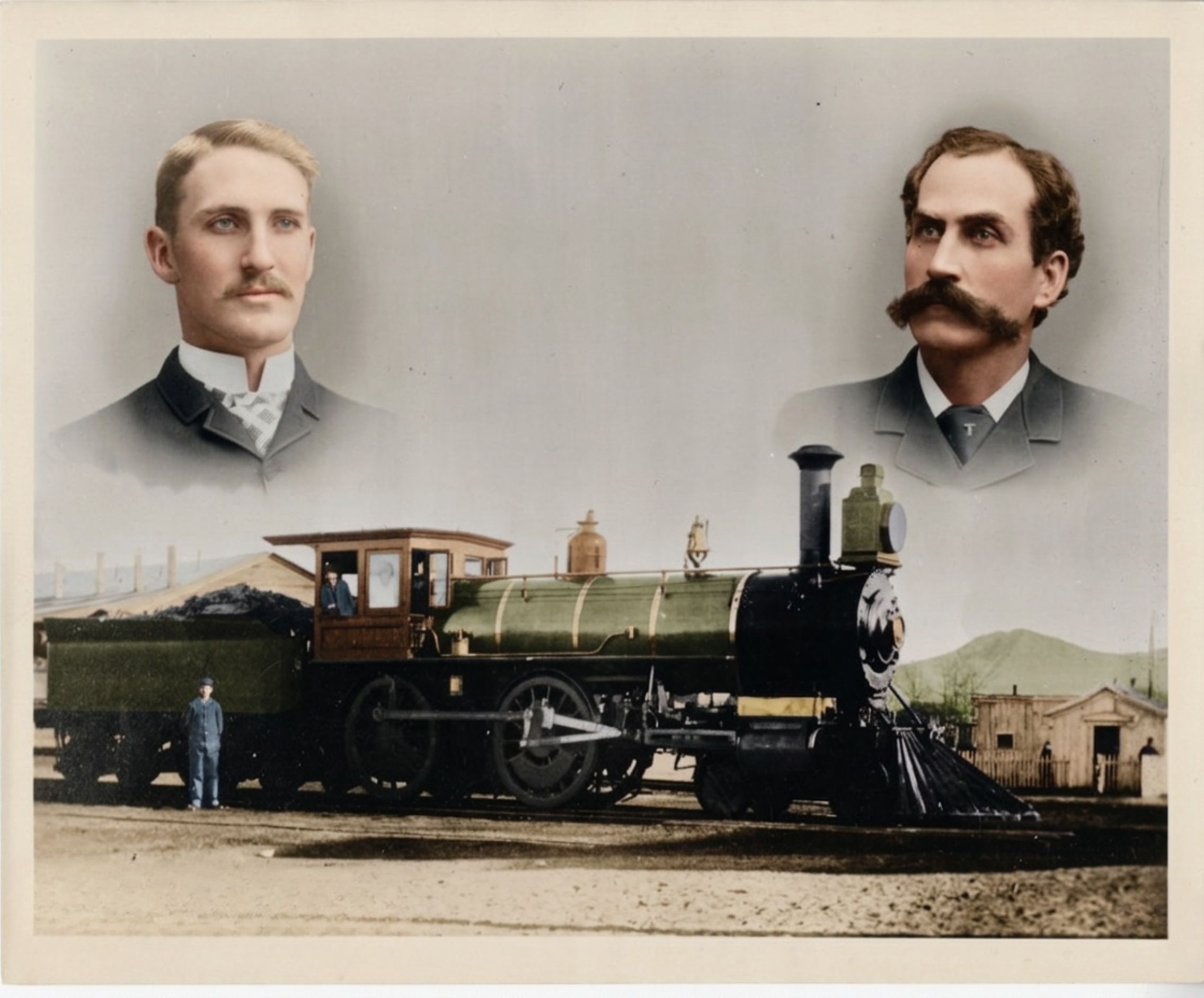
Terrace’s fate was sealed not by ore running out or a fire, but by a single engineering decision. The original transcontinental route through Promontory Point was slow and difficult — it climbed steep grades and followed a roundabout path. In 1904, the Southern Pacific (successor to the Central Pacific) completed the Lucin Cutoff, a causeway built directly across the Great Salt Lake that created a faster, flatter route bypassing Promontory entirely. The construction camp that built that causeway across the lake bed became its own short-lived company town, Little Valley, abandoned as soon as the trestle was finished.
The effect on Terrace was immediate and catastrophic. The town had always existed to service trains passing through — and now those trains weren’t passing through anymore. Traffic dropped from roughly ten trains a day to three trains a week. The maintenance functions that had justified the roundhouse and switchyard were relocated to other facilities. The reason Terrace existed had simply ceased to exist.
The town lingered for a few more years — a Justice of the Peace and constable were still recorded in 1908, suggesting some civic function continued. But the population drained steadily, and the remaining businesses and residents gradually followed the trains elsewhere. In 1942, the rails on the Promontory Branch were removed entirely for wartime steel reuse, erasing the last physical connection to Terrace’s reason for being.
What survives today
Terrace today is what archaeologists call a landscape site — the town itself is largely gone, but the ground still holds extensive evidence of what was there. The BLM’s field documentation identifies the switchyard area, the roundhouse remnants, the turntable depression and foundation, a brick building footprint, and the basement evidence of a hotel. Numerous depressions and foundations mark the locations of businesses, homes, and the Chinese settlement area. The cemetery sits east of town along the old track grade.
The broader engineered landscape is also visible — the traces of the aqueduct and pipeline system that brought spring water to this otherwise waterless desert location, and the railroad grade itself, which the Transcontinental Railroad Backcountry Byway follows for miles in each direction.
Key dates
Ghost towns nearby on the byway
Sources
Bureau of Land Management — Transcontinental Railroad Backcountry Byway
Bureau of Land Management — Rails East to Promontory: The Utah Stations (Cultural Resource Series No. 8)
University of Utah Asia Center — Teaching guide: Archaeological Excavation at Terrace, Utah
Utah State Historic Preservation Office — Chinese Railroad Worker Archaeology in Utah
Smithsonian Magazine — Artifacts from Chinese Transcontinental Railroad Workers Found in Utah
Visit Utah — Northwest Railroad Trail road trip guide