Elkmont, Tennessee: The Logging Boomtown the Smokies Reclaimed
Elkmont, Tennessee: The Logging Boomtown the Smokies Reclaimed
Tucked into a narrow valley along the Little River in the Tennessee foothills of the Great Smoky Mountains, Elkmont began as a raw logging camp, grew into a lively summer resort, and then emptied out almost entirely once the surrounding forest became a national park. Few American ghost towns pack three separate lives into so short a span, and fewer still sit inside one of the most visited protected landscapes in the country.
Today Elkmont is neither fully alive nor fully gone. A campground hums with visitors through the warm months, restored cottages line a shaded lane, and other cabins sag quietly back into the woods. It is a place caught mid-decision, where the questions of what to save and what to let the forest take were argued over for decades.
A Valley Before the Sawmills
Long before it had a name on any map, the valley around the Little River was hardwood forest, laced with cold streams and steep coves that made travel slow and settlement sparse. A scattering of mountain families farmed the bottomland and grazed livestock on the ridges, living largely outside the cash economy of the towns down in the lowlands.
That isolation ended abruptly in the early twentieth century, when the timber industry turned its attention to the southern Appalachians. The old-growth stands that had discouraged farming were exactly what the lumber companies wanted, and the same steep terrain that had kept people out was no longer an obstacle once railroads could be pushed up the creek beds.
The Little River Lumber Company Arrives
Elkmont as a town owes its existence to one enterprise: the logging operation that swept up the Little River drainage in the first decade of the 1900s. A lumber company acquired vast tracts of forest, laid a railroad up the valley, and built the camp that would become Elkmont to house crews, equipment, and a sawmill economy.
The railroad was the spine of everything. Geared locomotives hauled timber down grades too steep for conventional engines, and the same line that carried logs out could carry people in. Within a few years the camp had the trappings of a real town: a depot, company housing, a store, and the constant noise of a working mill town cut into the mountainside.
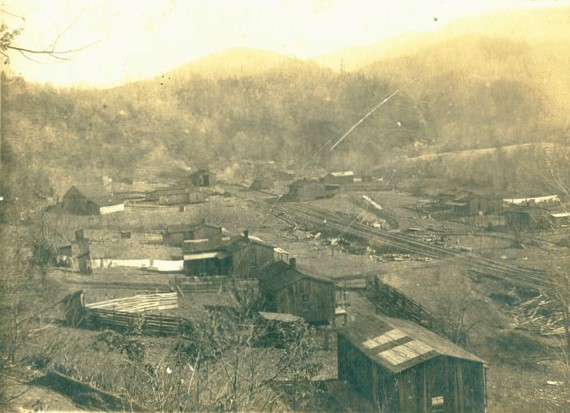
The scale of the cutting is hard to overstate. Whole coves were stripped, and the mountainsides that draw millions of visitors today for their forests were, a century ago, raw stumpland scored with rail grades and skid trails. It was profitable, exhausting, and—by the nature of the resource—temporary. Once the accessible timber was gone, the reason for the town went with it.
From Sawmill to Summer Resort
What saved Elkmont from vanishing the moment the saws fell silent was an unlikely second act. The same railroad that hauled logs made the cool mountain valley reachable for city dwellers looking to escape the summer heat of the Tennessee lowlands. A private hunting and fishing club took root, and before long Elkmont was reinventing itself as a genteel mountain retreat.
Two social clubs came to define this era. Members built summer cottages, gathered at clubhouses for meals and dances, and treated the once-industrial valley as a seasonal escape. The rough edges of the logging camp were smoothed over into porches, gardens, and a lane of vacation homes that locals came to call by an affectionately domestic name.
A place built to strip a forest became, within a single generation, a place people came to sit quietly among the trees.
The cottages were modest by the standards of grand resorts, but they were beloved. Families returned summer after summer, and leases passed down through generations, knitting the community to the valley in a way the transient logging crews never had been. That attachment would later make Elkmont one of the most contested small places in the national park.
The Park Comes to the Mountains
In the 1920s and 1930s, a national movement to create a great eastern national park converged on the Smokies. Unlike the western parks carved from federal land, this one had to be assembled parcel by parcel from private owners, timber companies, and mountain families—a slow, sometimes wrenching process of purchase and persuasion.
Elkmont sat squarely inside the proposed boundary. The lumber company sold its holdings, but the cottage owners negotiated a compromise unusual in park history: rather than leave immediately, many secured lifetime leases, later converted to shorter terms, that let them keep using their summer homes for decades after the land officially became public.
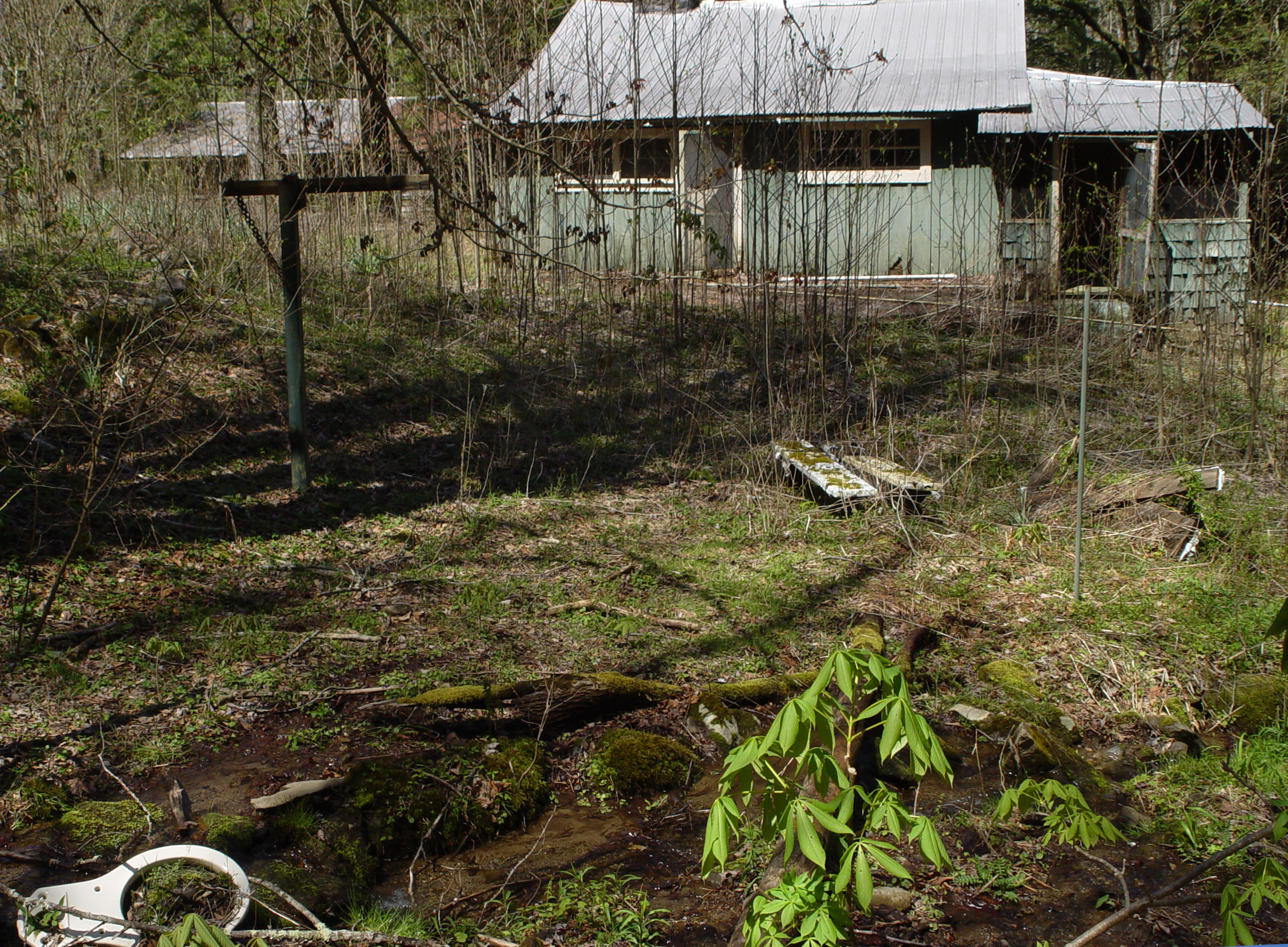
Those leases bought Elkmont an unusually long twilight. Through much of the twentieth century the valley remained half-inhabited, its cottages occupied each summer even as the surrounding land was managed as wilderness. But every lease eventually expired, and as the last ones ran out the community that had gathered here for generations finally dispersed.
Abandonment and the Long Argument
Once the leases ended, the buildings stood empty, and the National Park Service faced a decision that pleased no one entirely. One camp argued that the structures were intrusions on a wilderness landscape and should be removed so the forest could reclaim the valley completely. Another insisted the cottages were themselves historic—a rare surviving record of Appalachian resort life—and deserved protection.
For years the buildings simply decayed while the debate went unresolved. Roofs failed, porches collapsed, and vegetation crept through windows and floorboards. The valley became a genuine ghost town in the most literal sense: a community of empty houses slowly losing their fight with the weather and the woods.
Restoration and the Elkmont Historic District
The eventual resolution was a middle path. A subset of the most significant structures—including the clubhouses and a selection of cottages along the main lane—was designated for preservation as a historic district, while other buildings were removed and their sites returned to forest. The result is the Elkmont you can visit now: part restored village, part deliberately reclaimed ground.
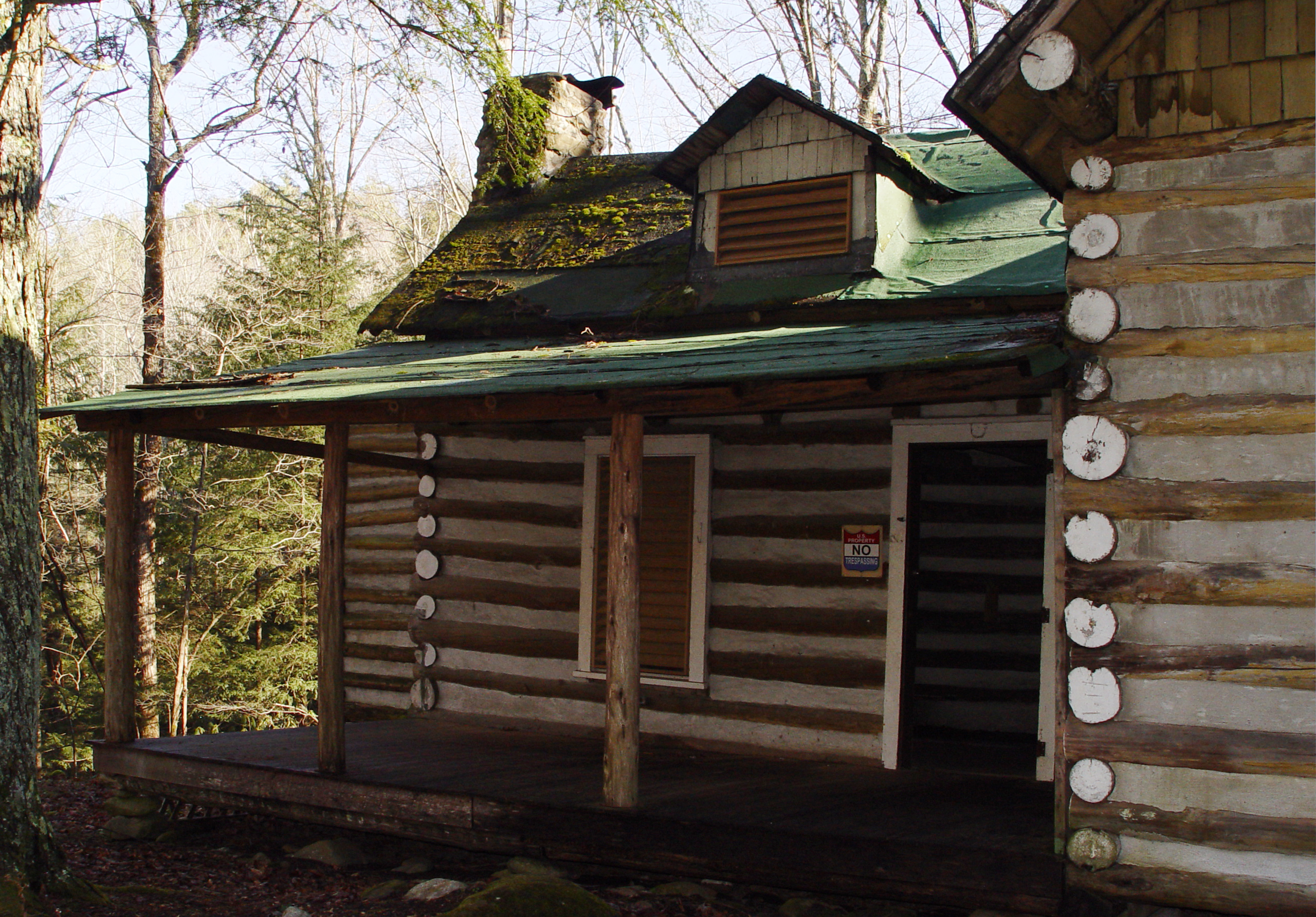
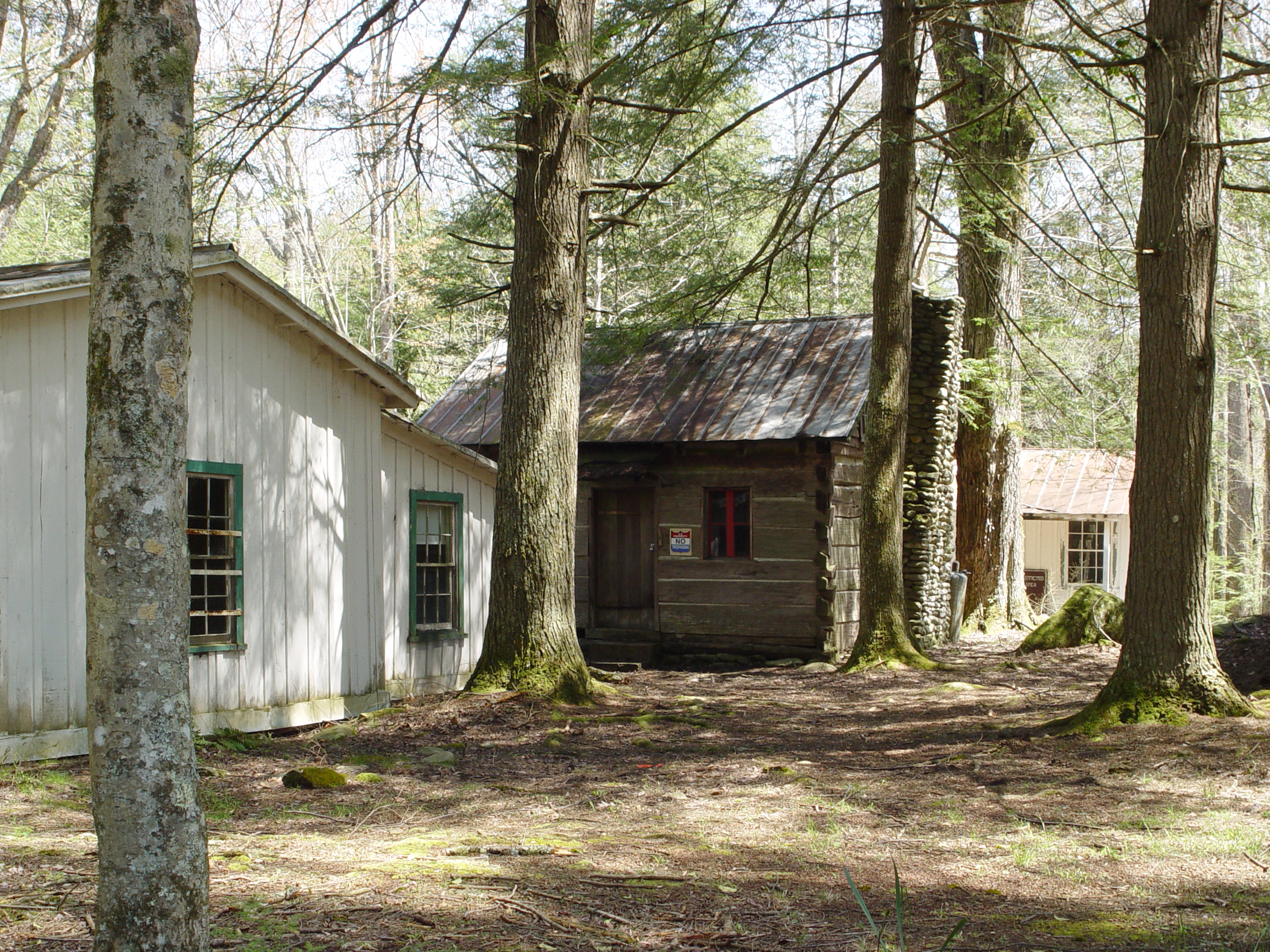
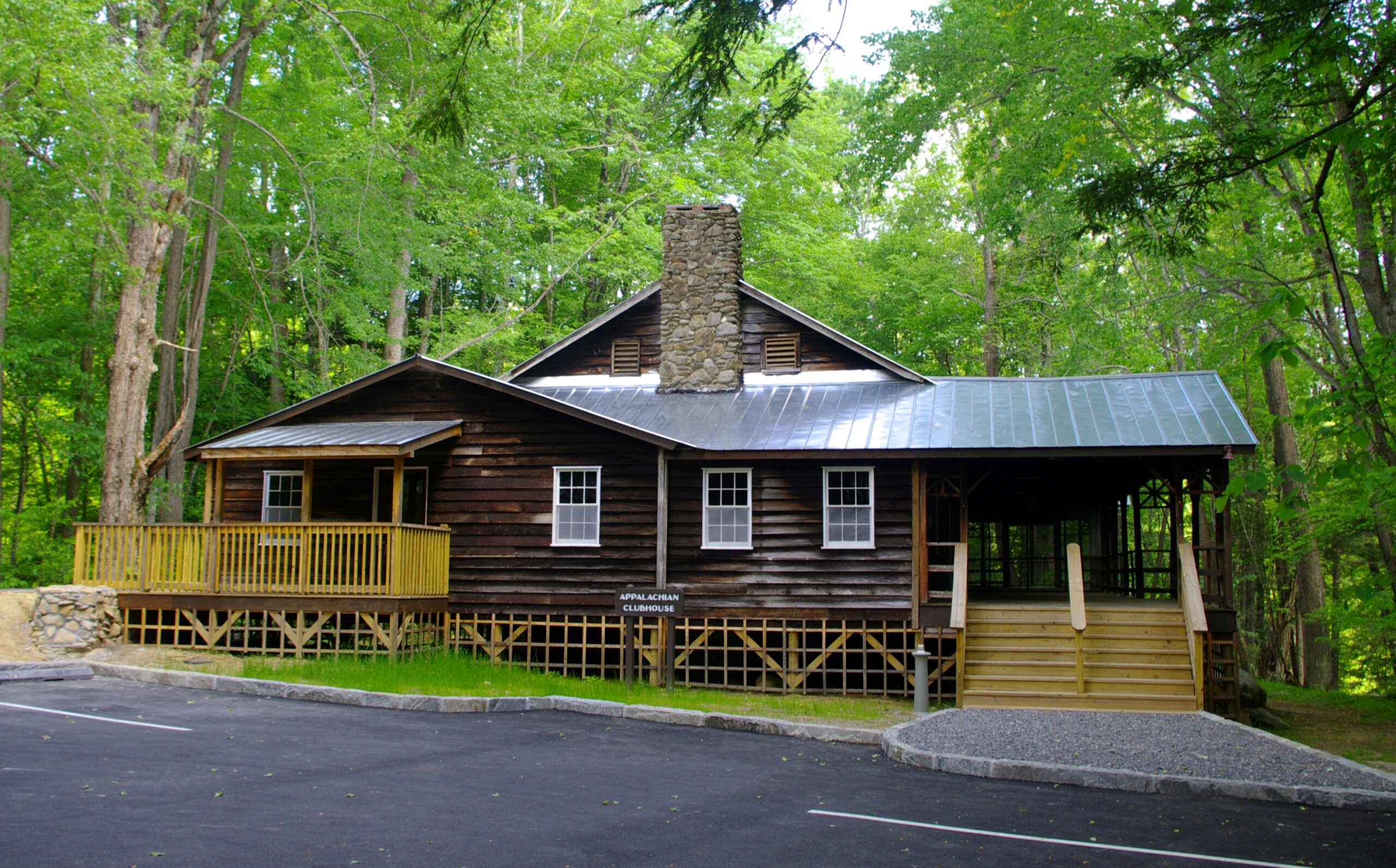
Restoration work on the two clubhouses and the surviving cottages has given visitors a rare chance to walk through the physical remains of both of Elkmont’s lives—the practical bones of its logging origins and the leisured comfort of its resort years—within a few hundred yards of one another.
The Synchronous Fireflies
Elkmont is famous today for something that has nothing to do with logging or leases. For a couple of weeks each early summer, the valley hosts one of the few populations of synchronous fireflies in the Western Hemisphere—an insect that coordinates its flashing into rolling waves of light through the dark forest.
The display draws so many visitors that access during the peak has to be managed by a lottery and shuttle system. It is a strange and fitting turn for a place that has always drawn people to the valley for one reason or another: first for timber, then for summer air, and now for a natural spectacle that predates all of it.
Legends, Ghosts, and the Record
A place with empty cottages standing in a misty valley collects ghost stories almost automatically, and Elkmont has its share. Visitors report figures on porches, lights in windows of buildings known to be vacant, and the general unease of walking a lane of houses whose owners are gone. These tales are part of Elkmont’s modern appeal, but they are folklore, not history.
The real story is arguably stranger than the ghost lore. A valley clear-cut down to stumps became a beloved retreat; a retreat became a national park; and a national park spent decades arguing over whether to erase or preserve the very buildings that made the place feel haunted. Elkmont didn’t die once—it was abandoned in slow motion, over most of a century.
Timeline
Getting There
Elkmont lies a short drive from the Sugarlands entrance area on the Tennessee side of the park, reached by a paved spur road that ends at the campground and historic district. It is one of the most accessible ghost towns in this archive—no high-clearance vehicle or long hike required—which is part of why it draws such crowds.