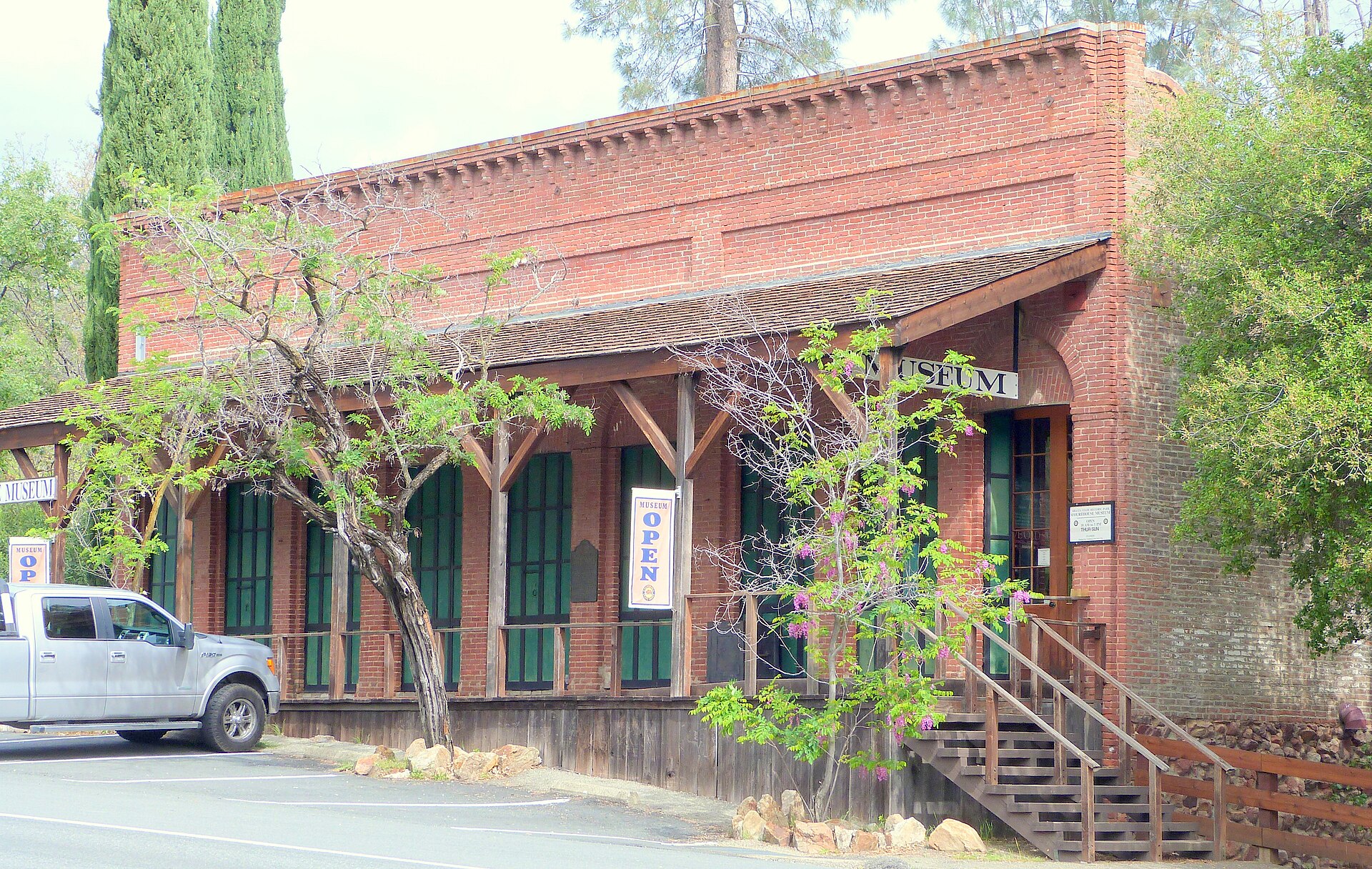
Restored 1861 red-brick Shasta County Courthouse Museum at Shasta State Historic Park, California

Shasta, California: The Queen City That the Railroad Left Behind
California Gold & Silver Mining
Founded
1849 (as Reading’s Springs); named Shasta June 8, 1850
Peak Population
~3,500–6,000 residents (early–mid 1850s)
Primary Industry
Placer gold; regional supply & freight hub
County / Region
Shasta County, California; 6 mi west of Redding
Land Management
Shasta State Historic Park (California State Parks)
Status
Preserved 19-acre historic park; museum & brick ruins
Park grounds open daily, sunrise to sunset · Courthouse Museum open Thu–Sun, 10 a.m.–4 p.m. · on CA-299 West
Restored 1861 red-brick Shasta County Courthouse Museum at Shasta State Historic Park, California
The restored 1861 Shasta County Courthouse, centerpiece of Shasta State Historic Park. Photo: Ian Poellet, CC BY-SA 4.0, via Wikimedia Commons.

For a brief, roaring decade, Shasta was the busiest place in California north of Sacramento. Miners called it the “Queen City of the North,” and its Main Street was the last stop where a freight wagon could roll before the trails narrowed into pack-mule routes bound for the goldfields of the Trinity, Siskiyou, and southern Oregon country. Today the wagons are gone, the crowds are gone, and what remains is a row of roofless brick shells and a restored courthouse standing quietly beside Highway 299.

Shasta’s story is a compact lesson in how the 19th-century West was made and unmade: a gold strike created it, fire nearly destroyed it, brick and iron preserved it, and a railroad six miles away quietly killed it.

From Reading’s Bar to the Queen City

The spark came in March 1848, when Major Pierson B. Reading — a former officer in Frémont’s California Battalion — found placer gold along Clear Creek at what became Reading’s Bar, far north of the Sierra Nevada Mother Lode. By the spring of 1849 a tent settlement called Reading’s Springs had formed nearby, home to perhaps 500 miners and merchants by that October.

Recognizing the site’s strategic position at the base of the Klamath Mountains, residents renamed the town Shasta on June 8, 1850. When Shasta County was organized as one of California’s original 27 counties, Shasta became the county seat in February 1851. Its power came from geography: until 1861 it was the northernmost point heavy wagons could reach, so nearly all freight bound for the northern mines was offloaded here onto mule trains. The town filled with mercantiles, banks, hotels, saloons, bakeries, and express offices, and during peak trading months thousands of prospectors and packers crowded Main Street.

Fire, Brick, and the Iron Shutters That Saved the Town

Like most boomtowns thrown together from pine and canvas, Shasta burned. After smaller fires in 1852, the Great Fire of June 14, 1853 destroyed the entire wooden business district along Main Street. Rather than walk away, merchants reinvested their gold and rebuilt in 1853–1854 with thick locally fired red brick, heavy slate or tin roofs, and massive iron shutters hinged over every door and window. That decision gave Shasta the architecture it is remembered for — and, ironically, the durability that let it survive as a ruin long after it was abandoned.
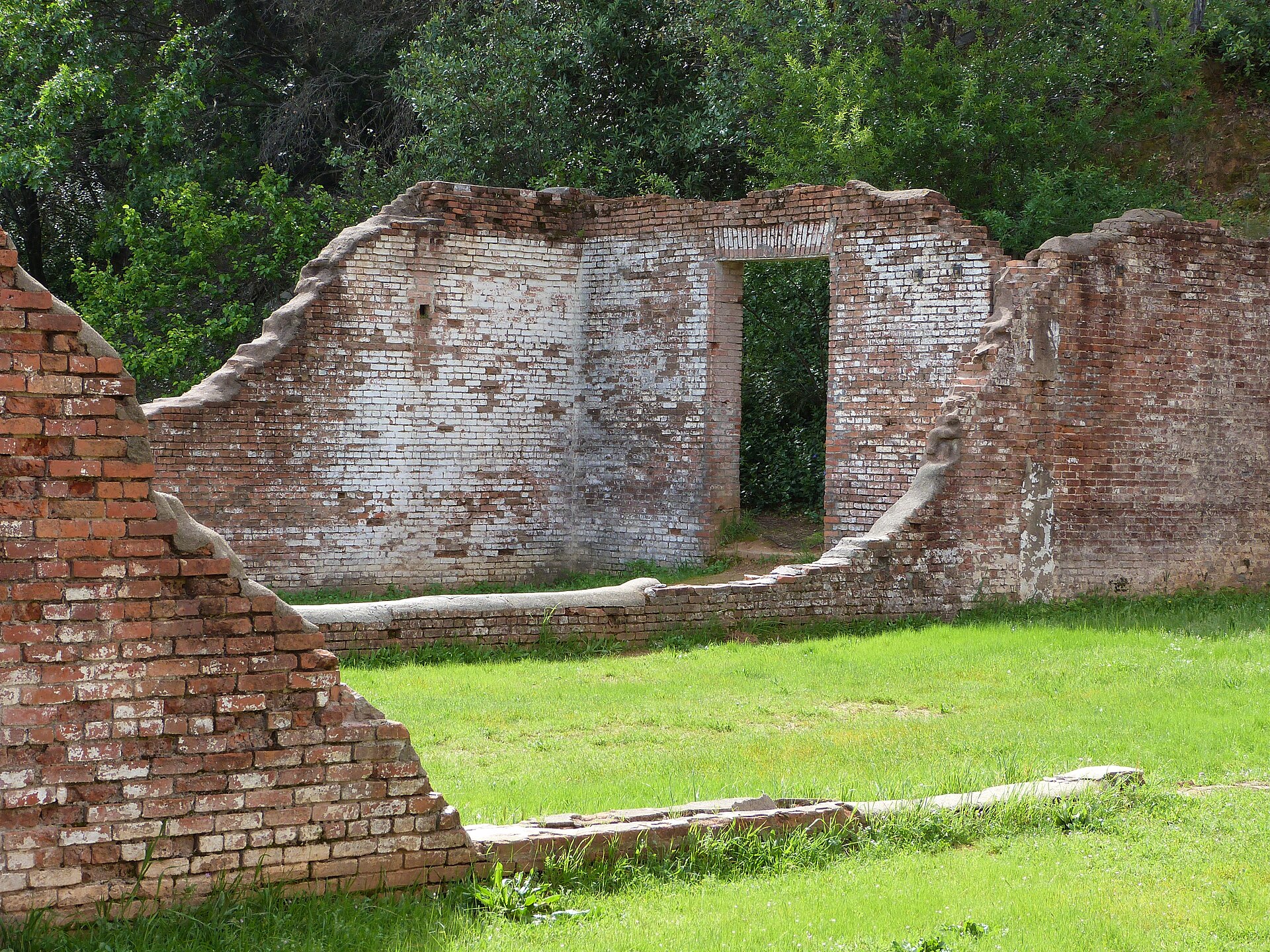
Roofless red-brick Gold Rush commercial ruins with iron shutters on Main Street in Shasta, California
Roofless brick shells with iron shutters line the old Main Street, stabilized today by park conservators. Photo: Ian Poellet, CC BY-SA 4.0, via Wikimedia Commons.

The Railroad That Chose Redding

Prosperity ended not with a fire but with a survey line. In 1872 the Central Pacific Railroad pushed north through the flat valley east of Clear Creek, bypassing hilly Shasta by about six miles and establishing a terminus at a spot known as “Poverty Flats” — soon laid out as the town of Redding. Overnight, the pack trains and stage lines that had made Shasta essential became obsolete. The same quiet violence of a rerouted rail line would later empty Allensworth, the Black freedom colony in the San Joaquin Valley, when the Santa Fe built a spur around it in 1922. Through the 1870s and 1880s, businesses and residents drifted to the railhead. The final blow came in 1888, when county voters moved the county seat to Redding. Stripped of commerce, transport, and government, Shasta faded into a ghost town, its brick buildings losing their roofs to weather and time.

“The Queen City of the North” — the name Gold Rush Californians gave Shasta at its 1850s peak

What Survives at Shasta State Historic Park

Local preservationists began working to save the townsite in the early 20th century. Shasta was registered as California Historical Landmark No. 77 in 1932, and the state established Shasta State Historic Park to protect the surviving core; the site was added to the National Register of Historic Places in 1971. The park now covers about 19 acres of historic structures, commercial ruins, cottages, and pioneer cemeteries.

The centerpiece is the Shasta County Courthouse. Built in 1855 as a brick store and converted into the courthouse in 1861, it has been restored to its 1861 appearance, complete with courtroom, judge’s chambers, law offices, and four iron-gated basement jail cells; a replica gallows stands in the courtyard behind it. Inside, the museum holds the Mae Helene Bacon Boggs Collection — 98 historic California paintings from 1850 to 1950 by 71 artists, donated by a woman who arrived in Shasta as a child in 1871.
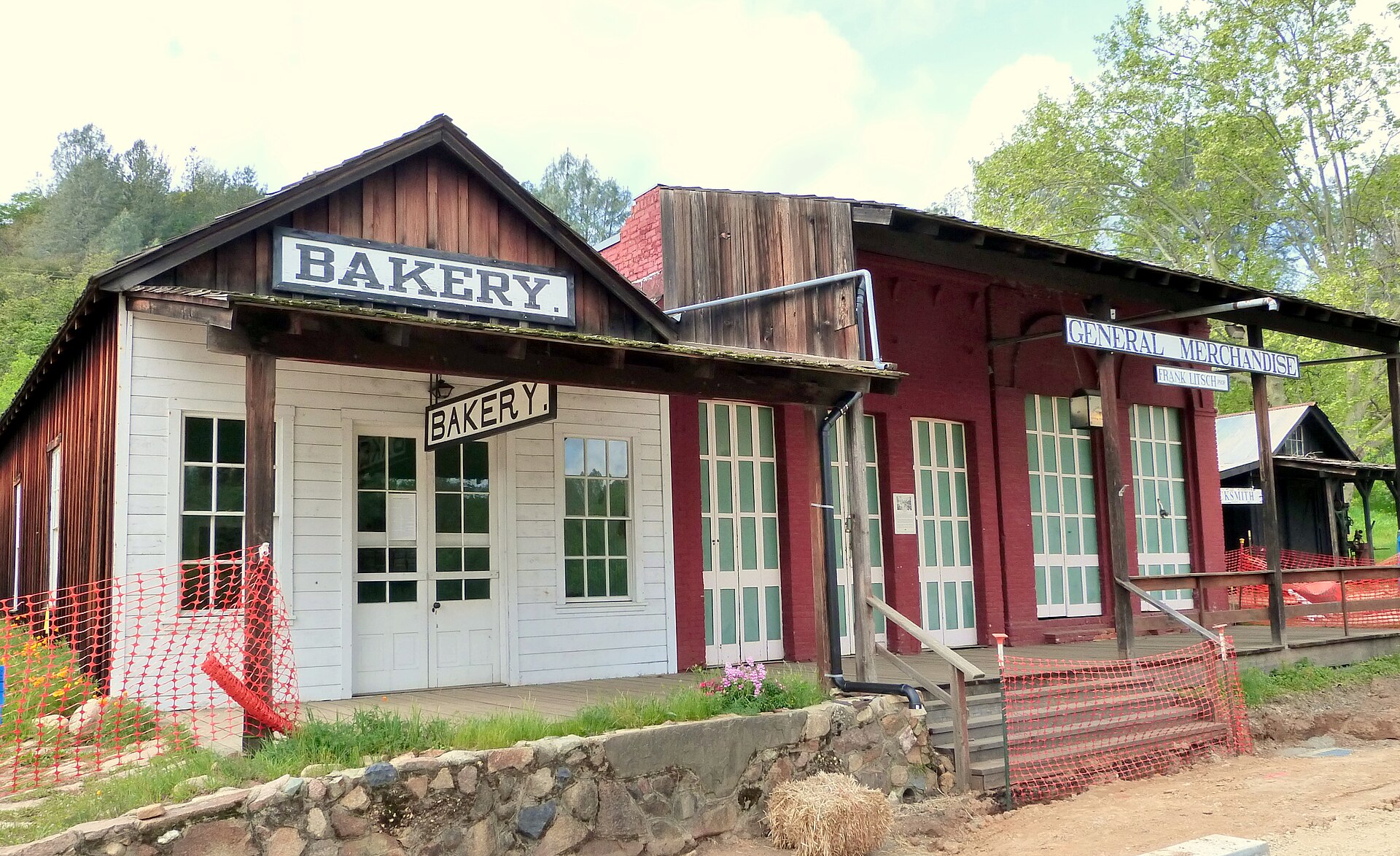
Historic brick bakery and general store buildings at Shasta State Historic Park, California
The old bakery and general store buildings, part of Shasta’s preserved commercial district. Photo: Ian Poellet, CC BY-SA 4.0, via Wikimedia Commons.

Across Highway 299 stand the preserved brick ruins — roofless walls with iron shutters marking former stores, saloons, bakeries, and stage offices. The Litsch General Store survives as a museum of original merchandise and fixtures, and the Pioneer Barn shelters 19th-century agricultural machinery, hydraulic mining monitors, ore wagons, and a preserved Concord stagecoach.
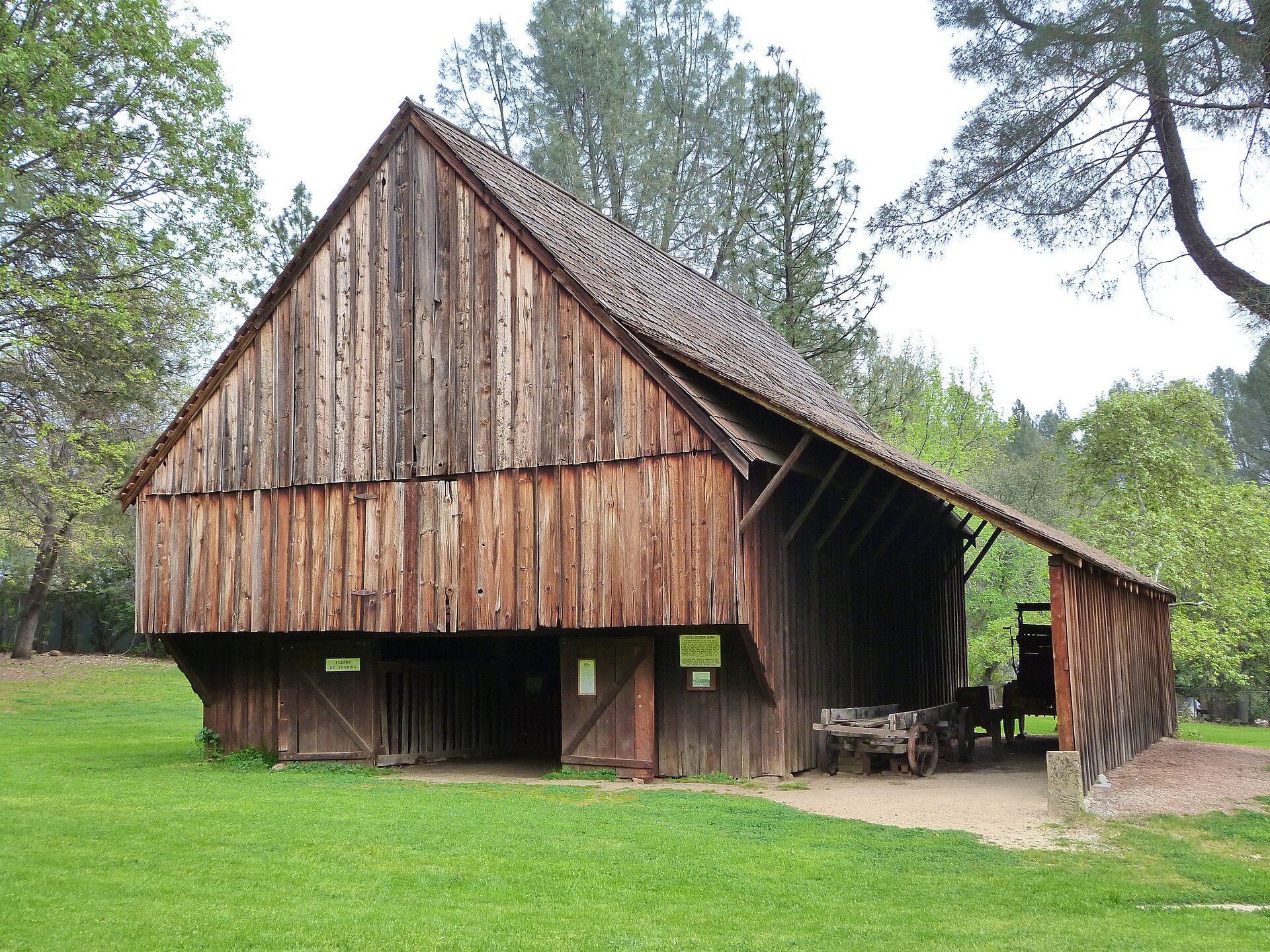
Weathered wooden Pioneer Barn housing 19th-century artifacts at Shasta State Historic Park, California
The Pioneer Barn shelters a stagecoach, ore wagons, and mining artifacts. Photo: Ian Poellet, CC BY-SA 4.0, via Wikimedia Commons.

California’s Oldest Masonic Lodge

Shasta is home to Western Star Lodge No. 2, recognized as the oldest continuously operating Masonic lodge in California. Its charter was granted in 1848 by the Grand Lodge of Missouri and carried west over the Lassen Cutoff; the lodge organized at Benton City in 1849 and moved to Shasta in 1851. After the 1853 fire destroyed its meeting hall, members salvaged the original charter and, on St. John’s Day in December 1854, marched to their permanent home on the second floor of the brick Norton & Tucker Building, where the lodge room has been in continuous use ever since. Despite being the first chartered lodge to operate in California, an 1850 clerical mix-up left it numbered No. 2 rather than No. 1.
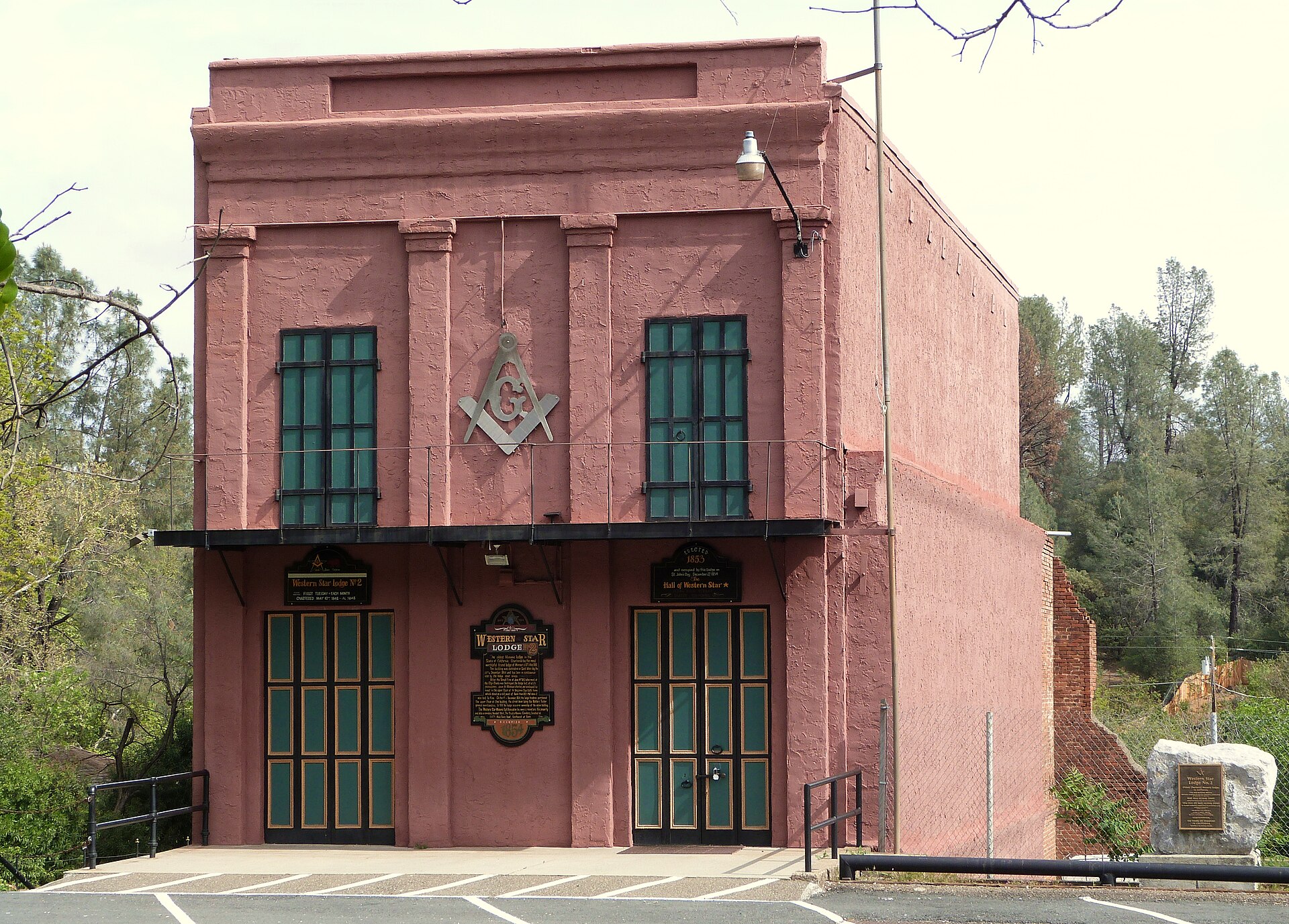
Two-story brick Masonic Hall of Western Star Lodge No. 2 in Shasta, California
The Norton & Tucker Building, home of Western Star Lodge No. 2. Photo: Ian Poellet, CC BY-SA 4.0, via Wikimedia Commons.

A Harder History: The Wintu

Shasta’s boom came at a devastating cost to the Wintu people, whose lands along Clear Creek and the Sacramento River were overrun by thousands of miners. Historical accounts record violent attacks on Wintu communities in the early 1850s, and a treaty negotiated in 1851 to set aside land for the Wintu was never ratified by the U.S. Senate, leaving Native families without legal protection against displacement and violence. It is a sobering counterweight to the romance of the Gold Rush, and part of the full story of this place.
A note on the ghost stories: Shasta’s basement jail cells and replica gallows have made it a fixture of Northern California ghost lore, and the park’s nonprofit partner leans into that with seasonal “Full Moon Cemetery Tours.” These tales are folklore and local tradition, not documented fact — enjoy them as the storytelling they are.
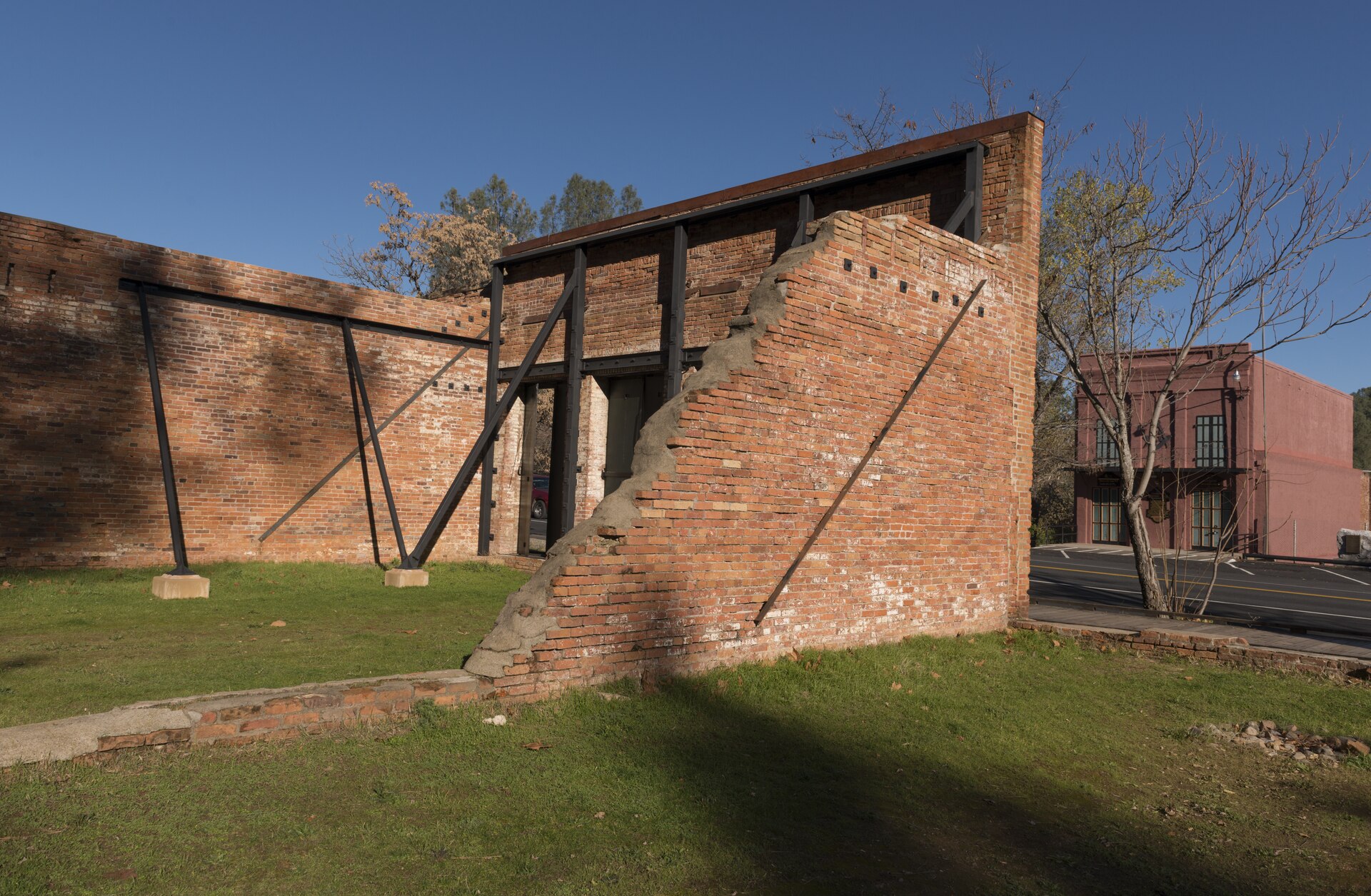
Stone mining-site ruin at Shasta State Historic Park in the former town of Shasta City, California
A surviving mining-site ruin within the park. Photo: Carol M. Highsmith, Library of Congress (public domain).

Timeline

1848
Major Pierson B. Reading discovers placer gold at Reading’s Bar on Clear Creek.
1849
Tent settlement of Reading’s Springs forms; ~500 miners and merchants by October.
1850
Town renamed Shasta on June 8.
1851
Shasta becomes the seat of newly organized Shasta County.
1853
Great Fire (June 14) destroys the wooden business district.
1853–54
Main Street rebuilt in fireproof brick with iron shutters; Western Star Lodge takes its permanent hall.
1861
1855 brick store converted into the Shasta County Courthouse.
1872
Central Pacific Railroad bypasses Shasta by six miles, founding Redding.
1888
County seat transferred to Redding; Shasta fades to a ghost town.
1932
Registered as California Historical Landmark No. 77.
1971
Listed on the National Register of Historic Places.
Watch your footing around the ruins. The Main Street brick shells are stabilized but genuinely old — don’t climb on the walls or lean into the iron shutters. Highway 299 runs directly through the site and carries fast-moving traffic, so use marked crossings when moving between the courthouse and the ruins. Summers here are hot and dry; bring water and sun protection, and keep to the paved paths where posted.
Visitor Information
Park Grounds
Open daily, sunrise to sunset, year-round
Courthouse Museum
Thu–Sun, 10 a.m.–4 p.m. (closed Mon–Wed)
Location
15312 CA-299 West, Shasta, CA 96087 — 6 mi west of Redding
Fees
Grounds free; museum $3 adults, $2 youth, under 5 free
Pets
Leashed dogs on parking lot & paved roads only; not in buildings or on trails
Notes
Metal detectors prohibited; drone use restricted; no camping on site

From Interstate 5 in Redding, take the CA-299 West (Eureka Way) exit and drive about six miles. The Courthouse Museum and parking are on both sides of the highway; paved paths and curb ramps make the museum and visitor center wheelchair accessible. Call (530) 243-8194 to confirm hours before you go.

Nearby Ghost Towns & Mining Sites

Shasta sat at the center of a dense web of mining camps and stage stops. Several survive in various states — and several were drowned by the reservoirs behind Shasta and Whiskeytown dams.
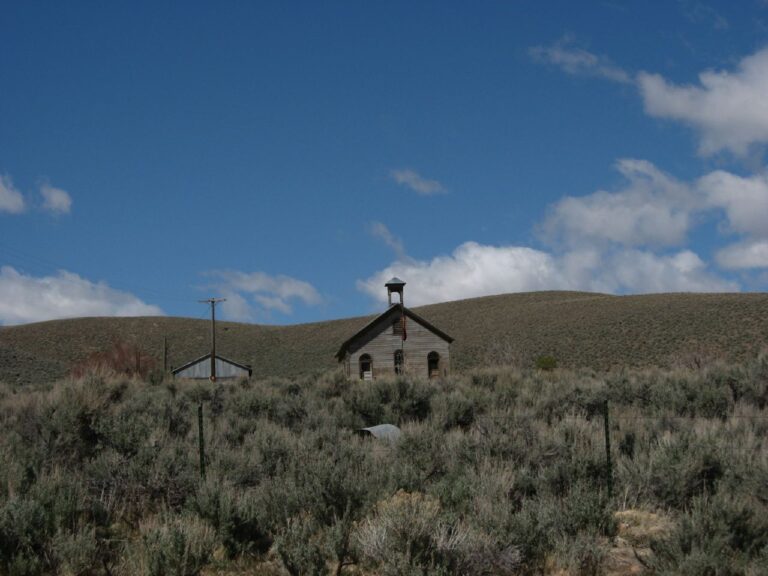
Whiskeytown
~3 mi west
1849 placer camp and stage stop; townsite inundated by Whiskeytown Lake in 1962.
Keswick
~5 mi northeast
1890s copper-smelting center for the Iron Mountain Mine; mostly abandoned today.
Horsetown
~8 mi south
Early gold camp (“Clear Creek Diggings,” 1849); only traces and markers remain.
French Gulch
~12 mi northwest
1849 hardrock gold town; retains many 19th-century buildings and is still inhabited.
Igo
~11 mi southwest
1860s placer & hydraulic camp; preserves cemeteries, homes, and mining ruins.
Kennett
~18 mi north
Copper boomtown, once Shasta County’s 2nd-largest city; submerged under Shasta Lake in the 1940s.
Further Reading
My Playhouse Was a Concord Coach
Mae Helene Bacon Boggs (Howell-North, 1942) — primary-source anthology of Northern California transportation history.
Centennial History of Shasta County
Rosena A. Giles (Biobooks, 1949).
The Old Town of Shasta
Walter H. Fink (Redding Record-Searchlight, 1930).
California Called Them
Robert O’Brien (McGraw-Hill, 1948) — popular history of Gold Rush boomtowns including Shasta.
Ghost Town Archive
Ghost Town Archive documents the history and current condition of abandoned and preserved towns across the American West. Our guides are compiled from state and federal park records, county histories, and primary-source archives, and are reviewed for accuracy before publication. We visit and verify site conditions where possible and update guides as access and hazards change.
Safety & access disclaimer: Ghost towns and historic mining sites can present real hazards, including unstable structures, open or hidden mine shafts, uneven ground, and remote terrain with limited cell service. Conditions, opening hours, fees, and access rules change without notice. This guide is for general information only — always check current conditions with the managing agency before you travel, obey posted signs and closures, respect private property, and take nothing but photographs. You are responsible for your own safety.
California ghost towns Shasta Shasta County Gold Rush placer gold Queen City Shasta State Historic Park Reading’s Bar Western Star Lodge Central Pacific Railroad Redding California State Parks National Register of Historic Places
Sources: California State Parks / Shasta State Historic Park and PORTS program records; California Office of Historic Preservation (Landmark No. 77); National Register of Historic Places documentation; Giles, Centennial History of Shasta County (1949); Fink, The Old Town of Shasta (1930); Boggs, My Playhouse Was a Concord Coach (1942); Western Star Lodge No. 2 historical records. Photos: courthouse, brick ruins, general store, Masonic Hall, and Pioneer Barn by Ian Poellet (CC BY-SA 4.0); mining-site ruin by Carol M. Highsmith, Library of Congress (public domain); all via Wikimedia Commons.

Similar Posts

Leave a Reply

Your email address will not be published. Required fields are marked *