South Pass City, Wyoming: The Gold Camp That Gave Women the Vote
Willow Creek drops out of the southern Wind River Mountains at more than 7,400 feet, just below the broad saddle in the Continental Divide that gave South Pass its name. For half a century before anyone found gold here, this gentle gap in the mountains was the doorway to the West: an estimated 350,000 to 500,000 emigrants funneled through on the Oregon, California, Mormon, and Pony Express trails, all aiming for the easiest crossing of the Rockies they could find. Then, in the summer of 1867, prospectors found a gold-bearing quartz vein along the creek, and the corridor became a destination in its own right.
They called the discovery the Carissa Lode, and it triggered a rush that briefly built one of the largest towns in Wyoming Territory. But South Pass City’s real historical significance has little to do with how much gold came out of the ground. In the winter of 1869, in a legislature convened in a boomtown two hundred miles away, a South Pass City saloon keeper introduced a bill that made Wyoming the first government on Earth to permanently guarantee women the right to vote — and within months, the town’s own courthouse had put a woman on the bench.
On December 10, 1869, Wyoming Territory became the first government in world history to grant women a permanent, unconditional right to vote and hold office.
Gold in hard rock: the 1867 Carissa strike
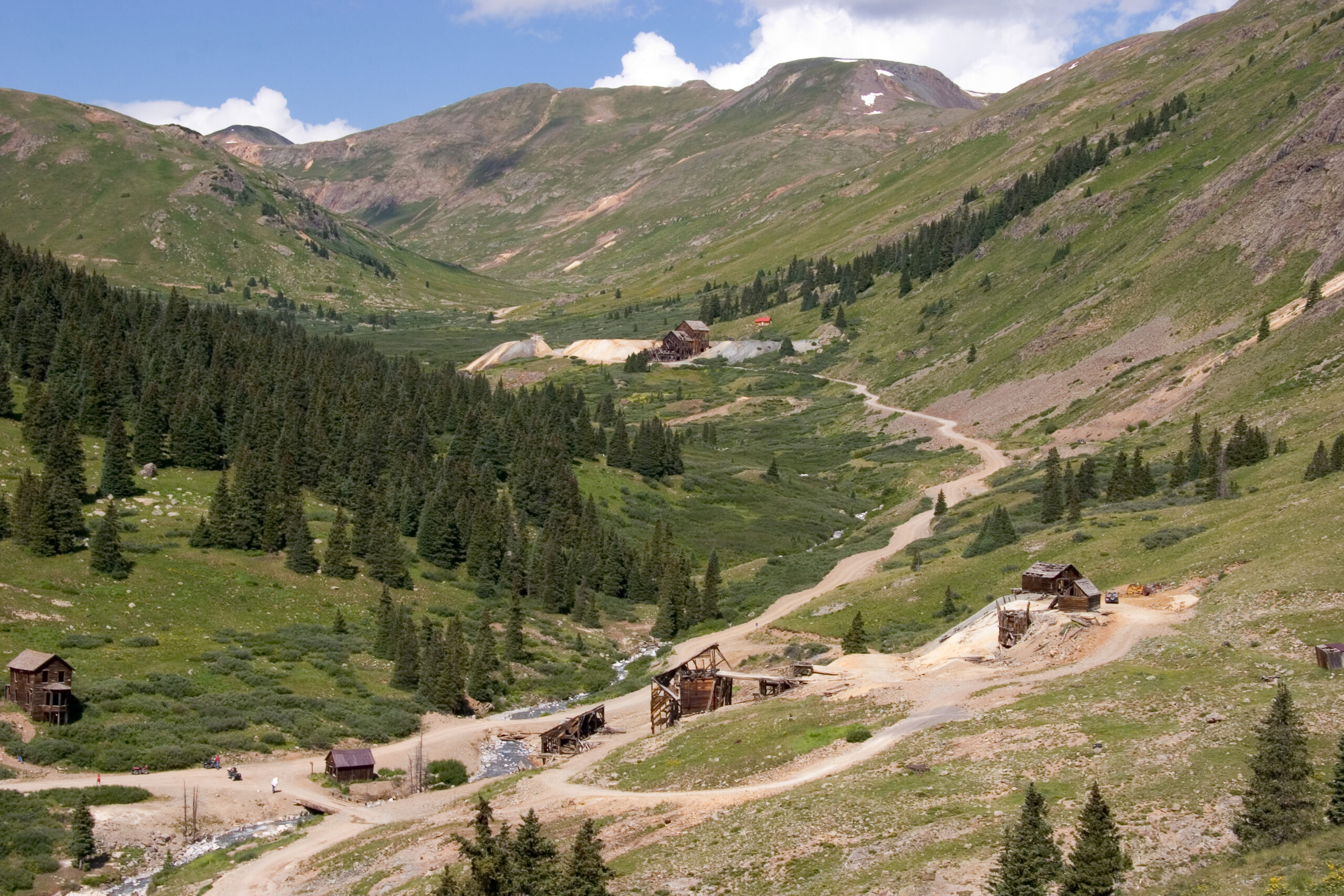
Unlike the placer gold that drew prospectors to California streambeds two decades earlier, the gold along Willow Creek was locked inside hard quartz rock. There was no panning it out. Extracting it meant sinking vertical shafts, hauling in steam-powered stamp mills to crush the ore, and financing all of it long before any return came back — a much harder and more expensive proposition than placer mining, and one that made the Sweetwater Mining District’s fortunes far more volatile from the start. None of that discouraged the rush. Word of the Carissa discovery brought thousands of prospectors, merchants, and freighters into the Sweetwater country within months, despite brutal high-altitude winters and ongoing friction with the Shoshone and Arapaho people whose land this was. A stage and freight station using the South Pass City name had actually existed ten miles south since 1859 — a separate site later known as Burnt Ranch — but the mining town that survives today dates entirely from the 1867 strike.
Boomtown on Willow Creek, 1868–1870
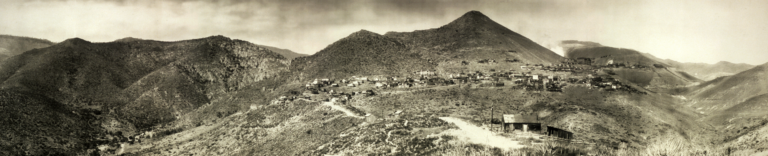
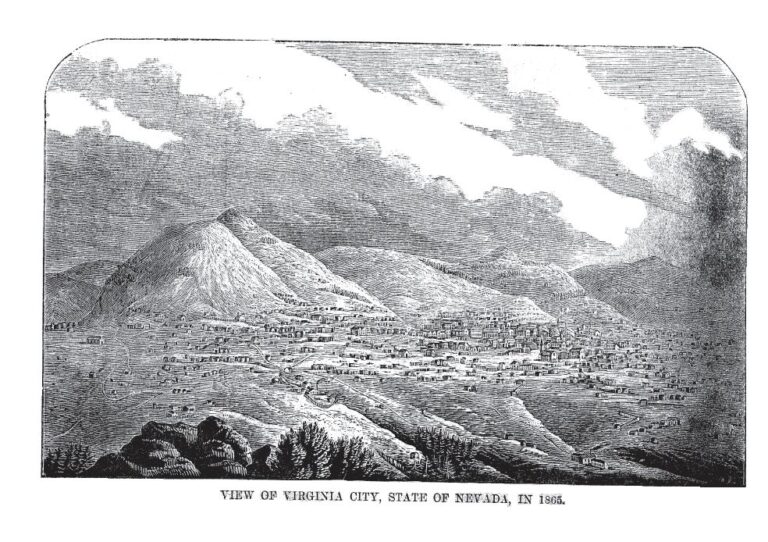
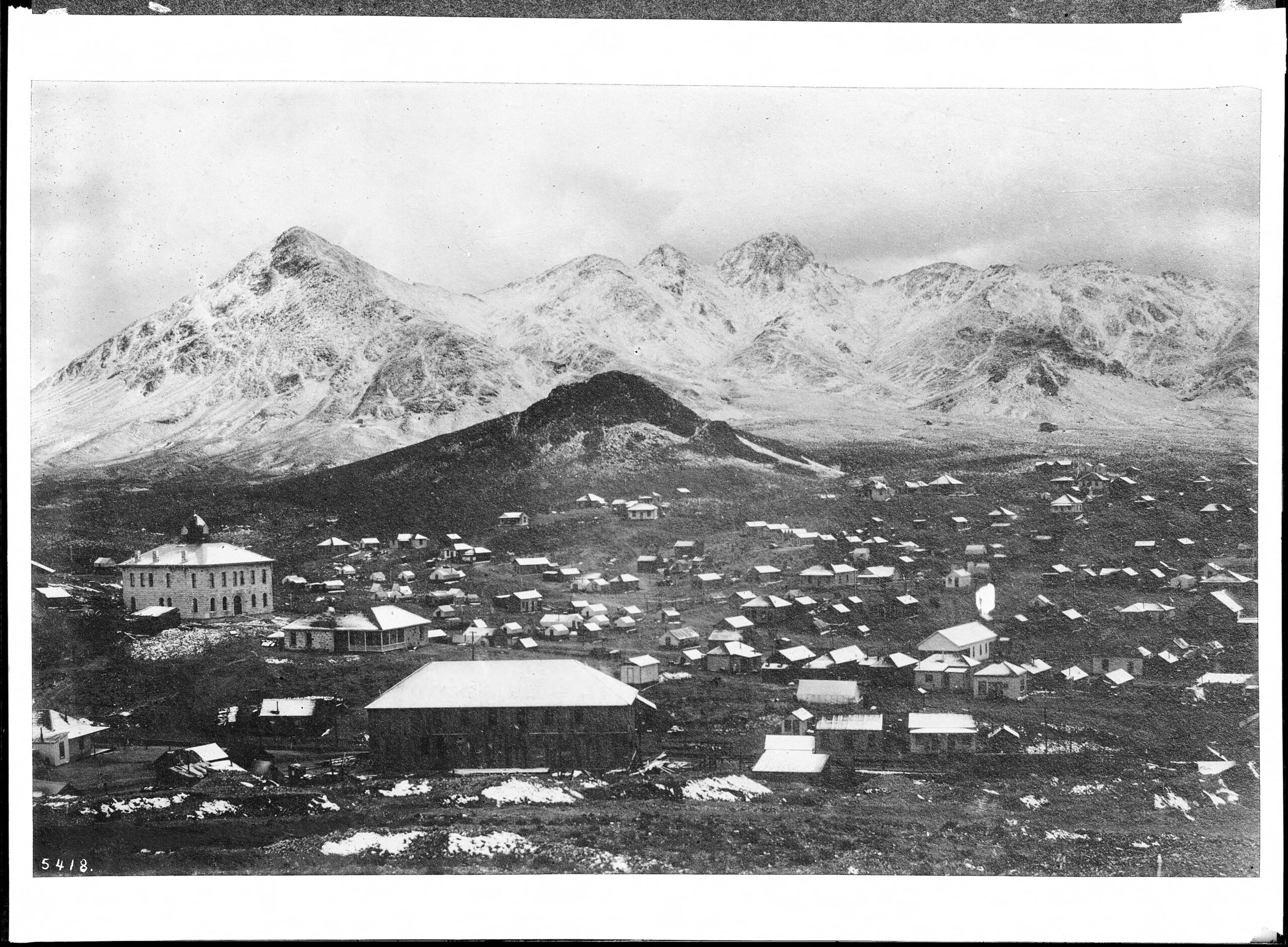
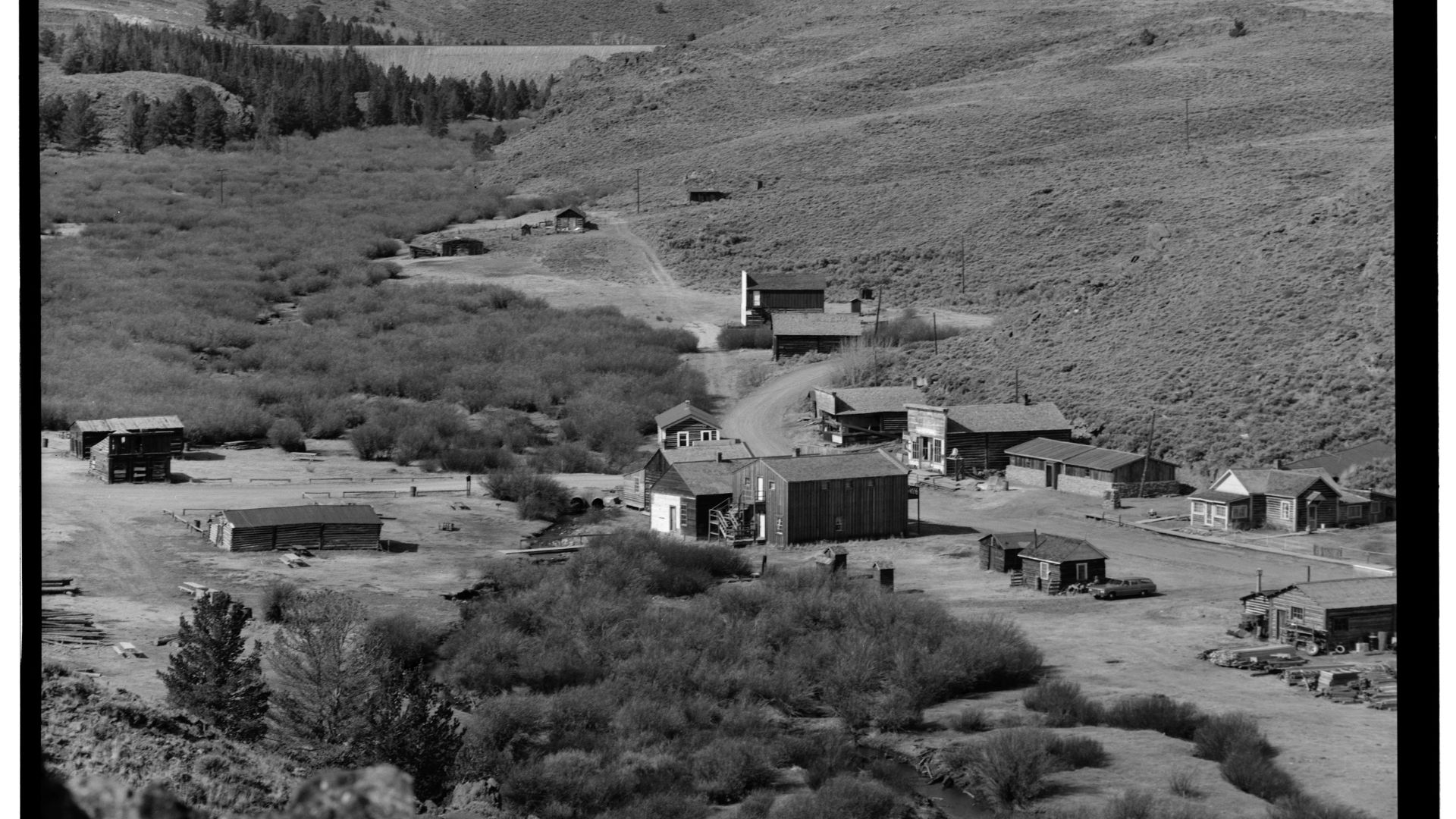
By 1868 South Pass City had gone from tent camp to full-blown boomtown, and it was named county seat of the newly formed Carter County (reorganized a few years later as Fremont County). At its height between 1868 and 1870, the town itself held an estimated 1,000 to nearly 3,000 residents, with another 1,500 to 2,000 miners scattered through camps in the surrounding district. The built-up area stretched more than a mile along the creek and eventually held somewhere between 250 and 300 structures: log cabins, stone foundations, wood-frame saloons and hotels, and dugouts cut straight into the hillside for insulation against the subalpine winters.
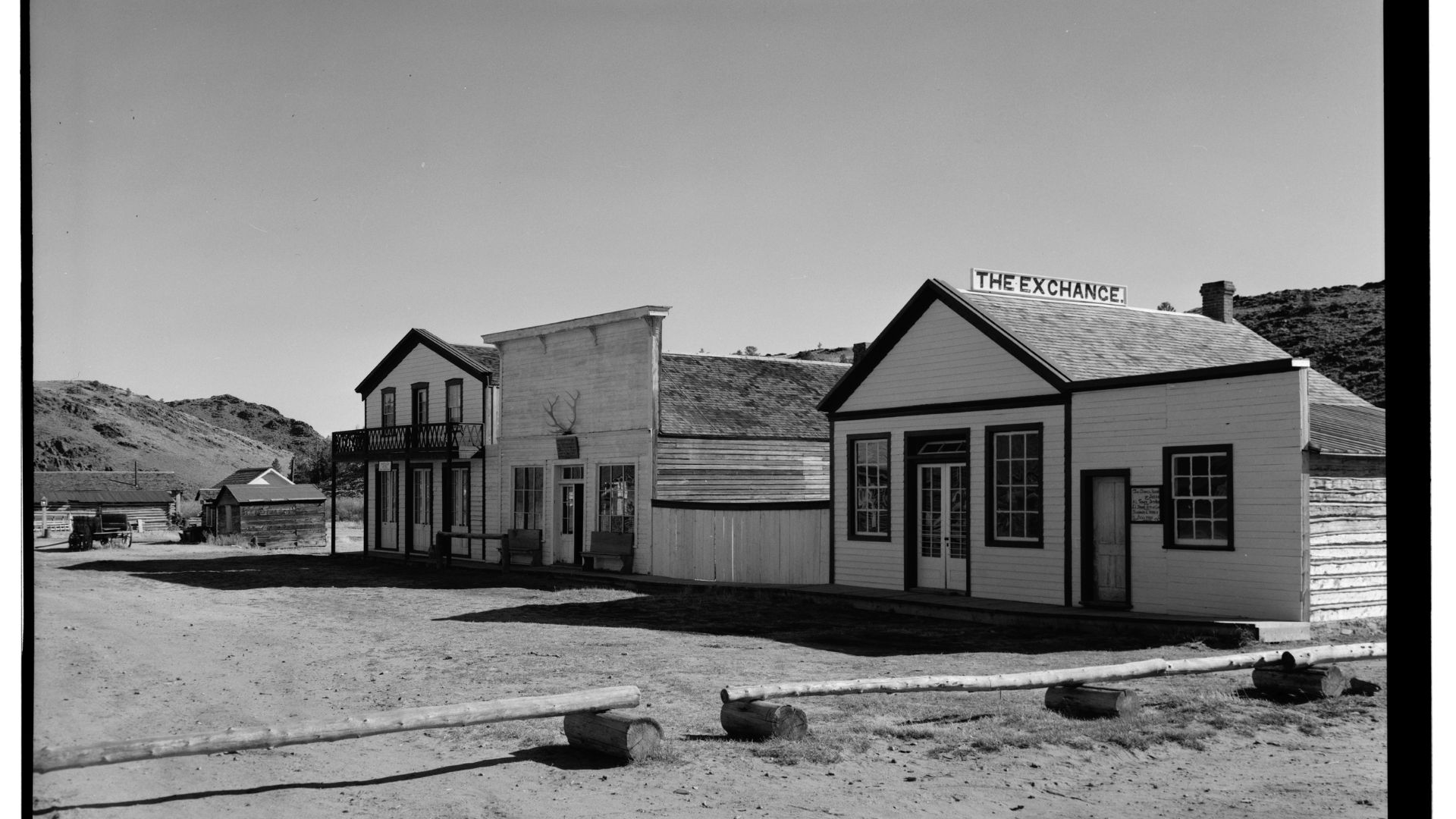
The commercial district was substantial for a town this remote. The Houghton-Colter General Store and the Smith-Sherlock Mercantile supplied the district; the South Pass Hotel (built as the Idaho House) and the Exchange Bank building anchored Main Street; the Carissa Saloon was one of dozens of drinking establishments; a print shop turned out the town’s own newspaper, the South Pass News; and a Sweetwater County jail held whoever the town’s justice system needed to hold. More than thirty mines operated in the surrounding hills, feeding stamp mills that, by most estimates, had produced somewhere in the neighborhood of $7 million in gold before the district’s returns began to fade.
The bust: why hard-rock gold camps collapsed so fast
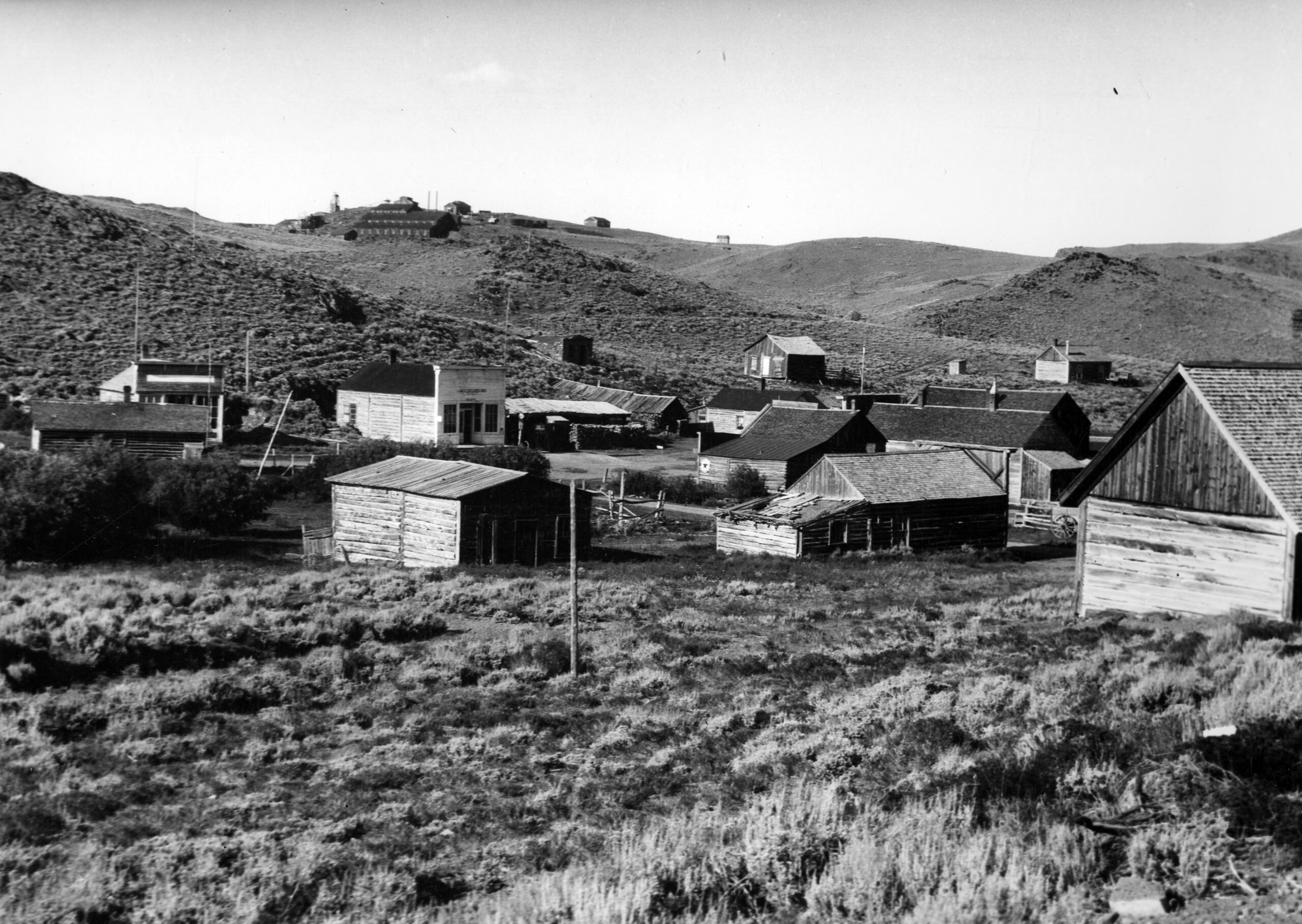
Quartz mining’s economics were unforgiving. As the shallow, easily worked veins played out, going deeper meant paying for timbering, underground pumping, fuel, and heavier crushing equipment — costs that climbed just as the easy ore ran out. When early investors didn’t see fast dividends, outside capital dried up fast. Isolation made everything worse: freight costs on imported goods ate into already thin margins, and the same brutal winters that made mining miserable made shipping ore even harder. By late 1870 the boom was visibly cracking, and by 1872 the town’s population had fallen to under 100 as miners chased the next strike in the Big Horns and beyond.
South Pass City never fully died, but it never recovered either. Over the following decades the Carissa Mine reopened intermittently — gold periodically drew capital back in during hard economic times when it looked like a safe bet — but each revival was brief. World War I redirected national mining investment toward strategic base metals rather than gold, and Prohibition closed the saloons that had kept what little town economy remained afloat. By 1949 the last pioneer families had left.
The birthplace of equal suffrage
South Pass City’s lasting importance has nothing to do with its mines. In late 1869, William H. Bright — a South Pass City saloon keeper, mine owner, and Southern-born Democrat serving in Wyoming’s first territorial legislature — introduced a bill in Cheyenne granting adult women in the territory the unconditional right to vote and hold office. On December 10, 1869, Territorial Governor John A. Campbell signed it into law, making Wyoming Territory the first government anywhere in the world to permanently guarantee full voting rights to women.
The bill’s passage owed as much to demographics and political calculation as to principle. Men outnumbered women in the territory by more than six to one, and legislators saw suffrage as a way to advertise Wyoming to prospective female settlers and encourage permanent family settlement rather than transient mining camps. Some Democratic legislators reportedly also expected the measure to embarrass their Republican governor — a bit of political theater that backfired when Campbell signed it anyway.
Esther Hobart Morris and the nation’s first female judge
The new law was put to the test almost immediately, and South Pass City was where that happened. In February 1870, the town’s Justice of the Peace, James Stillman, resigned in protest of the suffrage act. On February 14, 1870, Sweetwater County’s commissioners appointed Esther Hobart Morris — a 59-year-old South Pass City resident, abolitionist, and former Illinois merchant — to fill the seat. Morris took the bench on February 17 and, over the next eight and a half months, presided over between 27 and 34 civil and criminal cases in a rough mining camp. None of her rulings were overturned on appeal, a track record that made her case for women’s fitness for public office better than any speech could have.
South Pass City’s frontier lore extends beyond politics. Local oral tradition holds that Butch Cassidy passed through town regularly and was fond enough of the place to flip silver dollars to local children from the saloon doorways — a nice story, though like most outlaw legends it rests on community memory rather than documentation. About thirteen miles southeast, at Rock Creek along the Mormon Trail, a far darker piece of trail history unfolded in 1856, when an early blizzard caught the Willie Handcart Company and killed thirteen emigrants in a single night — a reminder of how dangerous this stretch of country was long before anyone found gold in it.
Preservation: what survives today
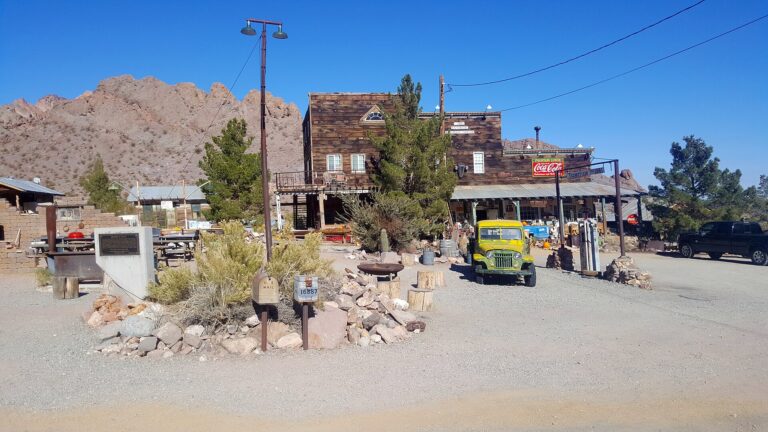
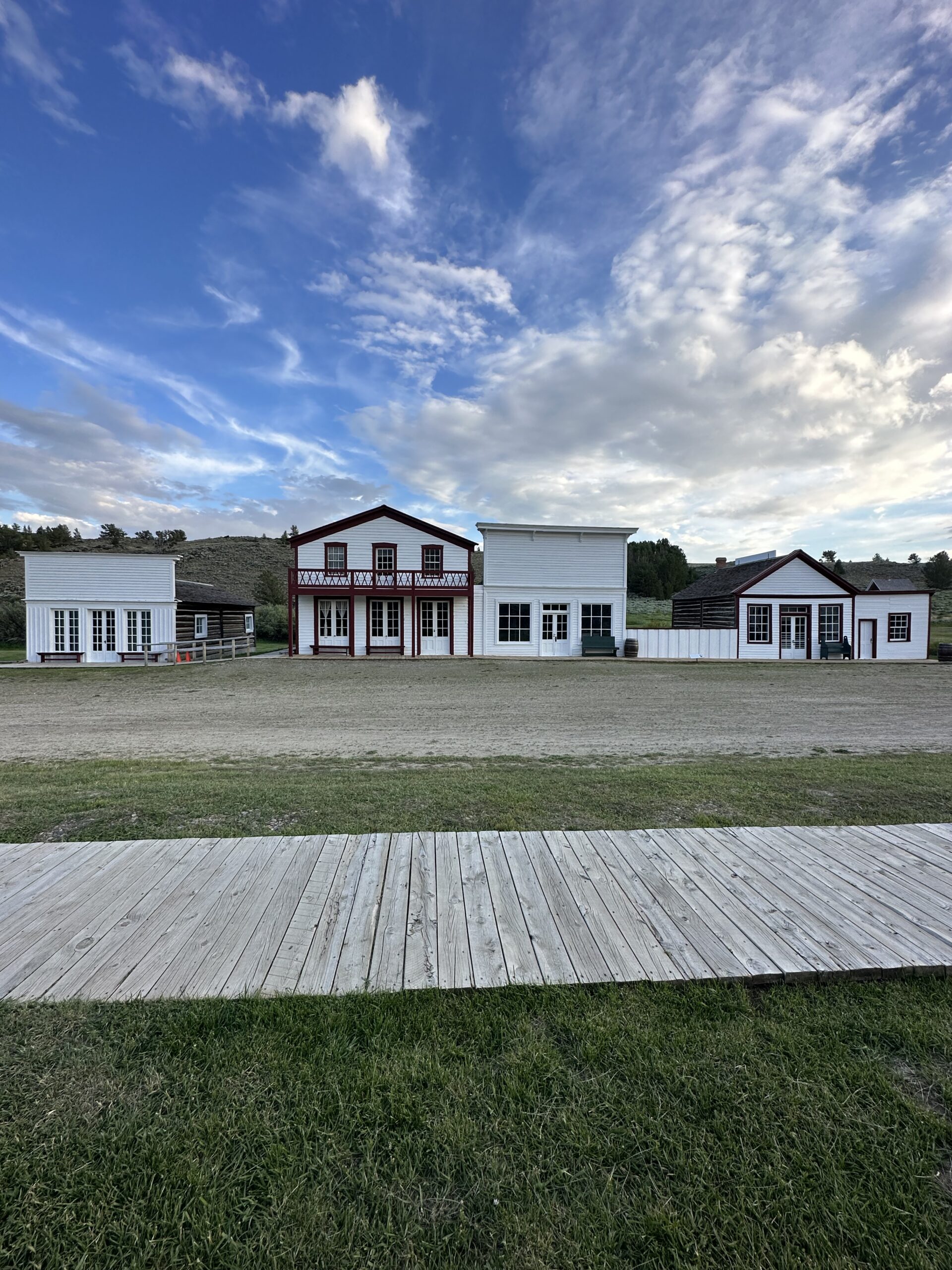
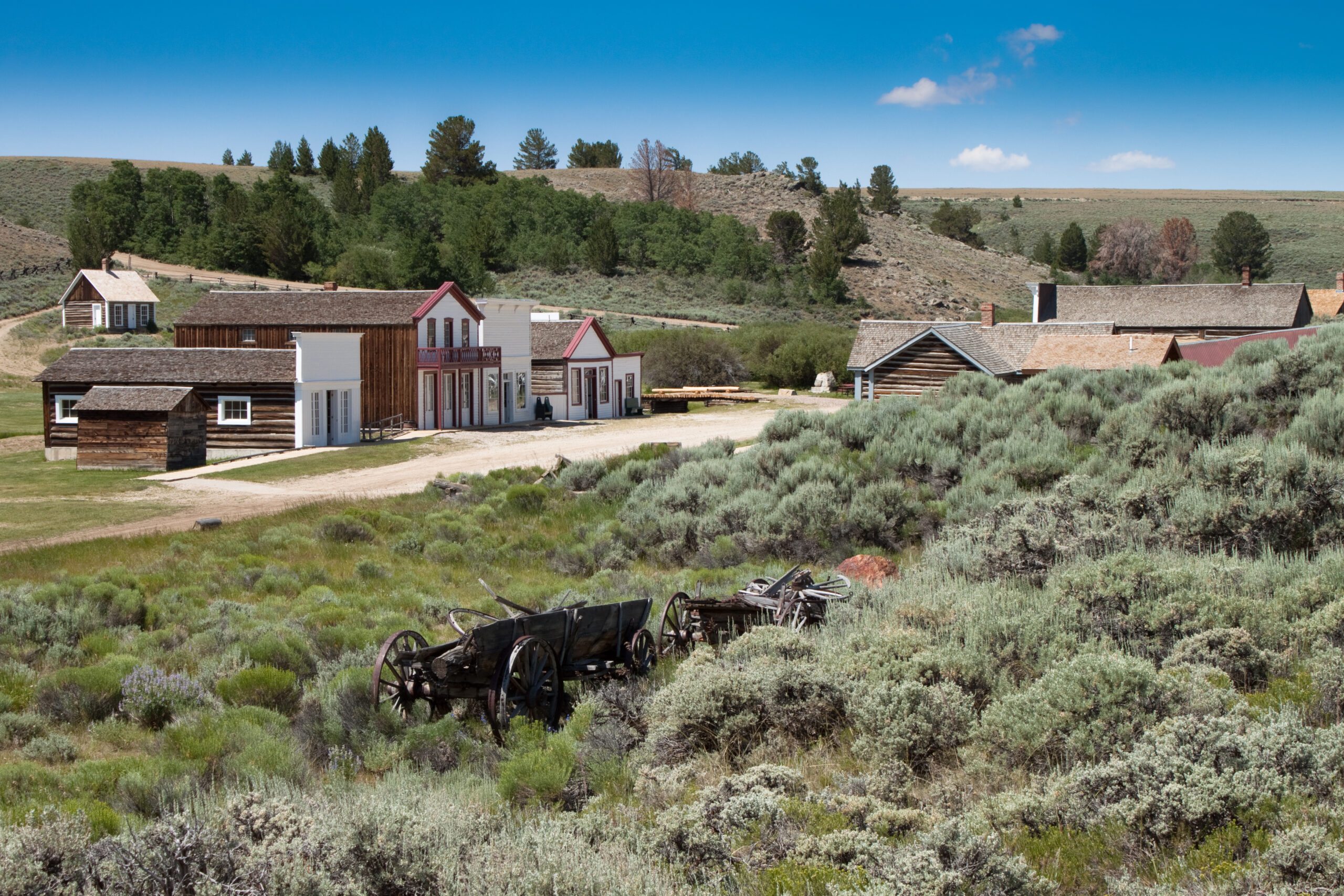
South Pass City escaped the fate of most Wyoming mining camps — it was neither bulldozed nor left to collapse entirely. In 1966 the Wyoming 75th Anniversary Commission bought the townsite outright and gave it to the state, four years after the site had already been designated a National Historic Landmark in 1961. It was formally added to the National Register of Historic Places on February 26, 1970. Today the state manages 23 to 25 original buildings, 17 of them fully restored and furnished with more than 30,000 period artifacts. The Carissa Mine and Mill complex, acquired by the state in 2003–2004, anchors the site alongside the E.A. Slack Cabin, the Smith-Sherlock General Store, and the old Exchange Bank building.
South Pass City timeline
Ghost towns nearby
Further reading
Sources
Wyoming Historical Society — South Pass City — discovery narrative, population and structure counts, decline timeline
WyoHistory.org — South Pass City — town history, economics of quartz mining, preservation history
WyoHistory.org — Esther Hobart Morris, Justice of the Peace and Icon of Women’s Rights — Morris biography, tea party legend debunked
National Park Service — South Pass — trail corridor and emigration context
Wyoming State Parks, Historic Sites & Trails — About South Pass City — visitor hours, fees, site management details
Intermountain Histories — Suffrage in South Pass City — suffrage bill background and political context
Wind River Country — Explore the Towns of South Pass City and Atlantic City — regional and nearby-town details
More ghost towns in Wyoming: Piedmont