Nevada City, Montana: The Vigilante Gold Camp Rebuilt as a Museum
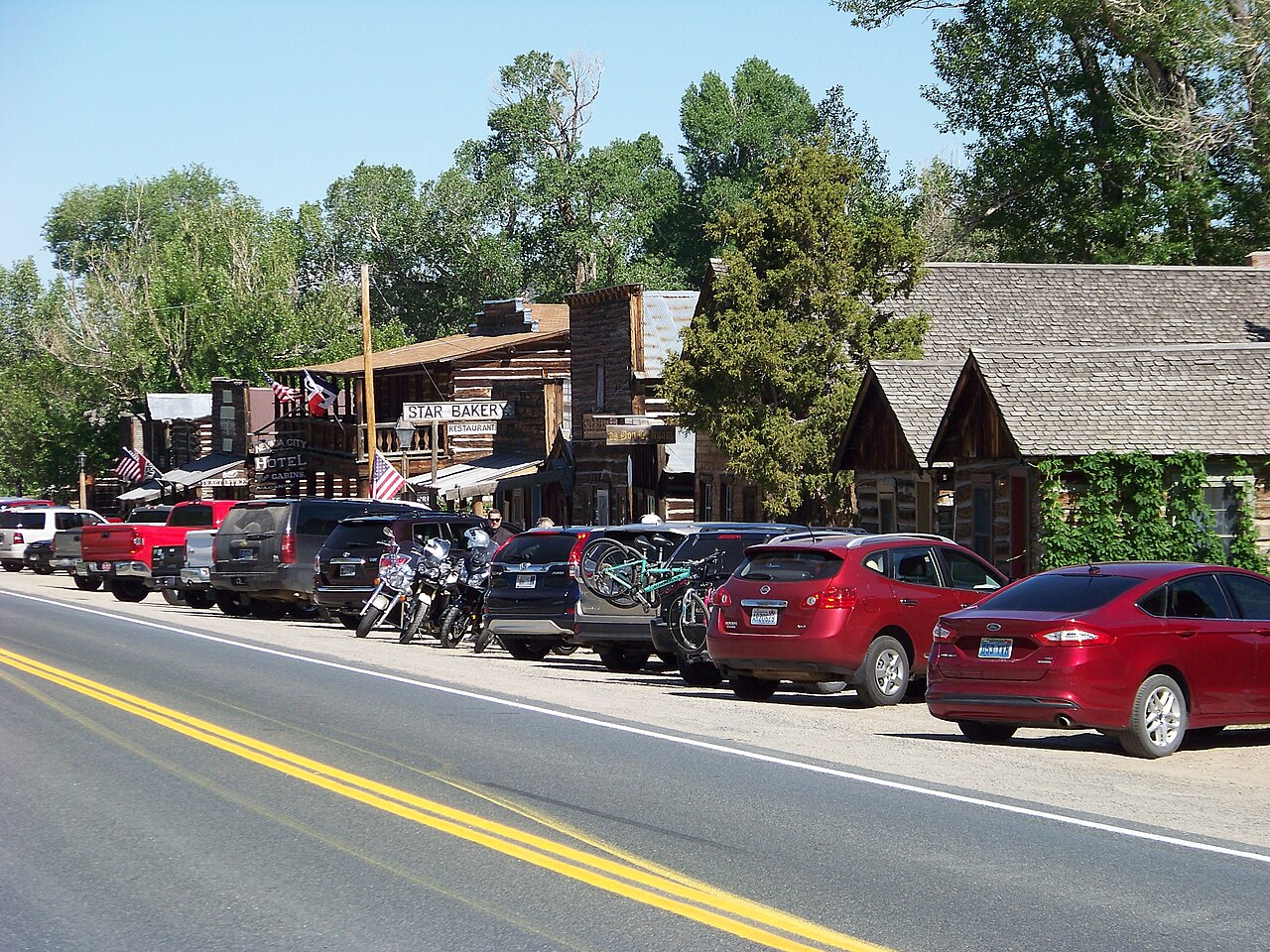
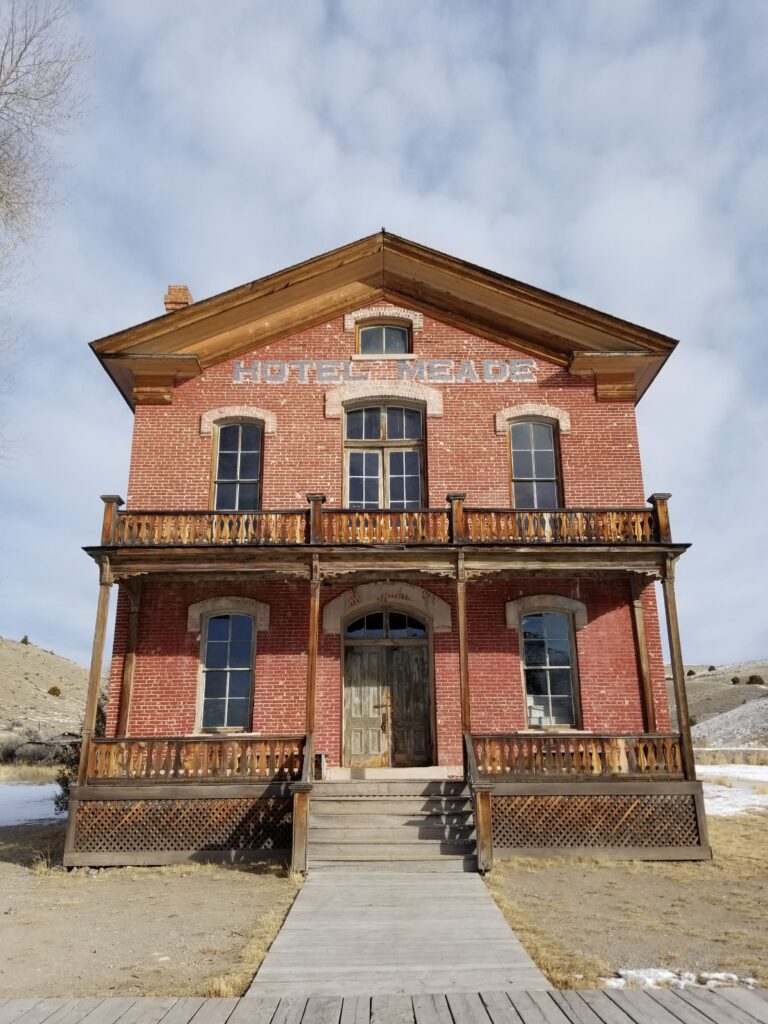
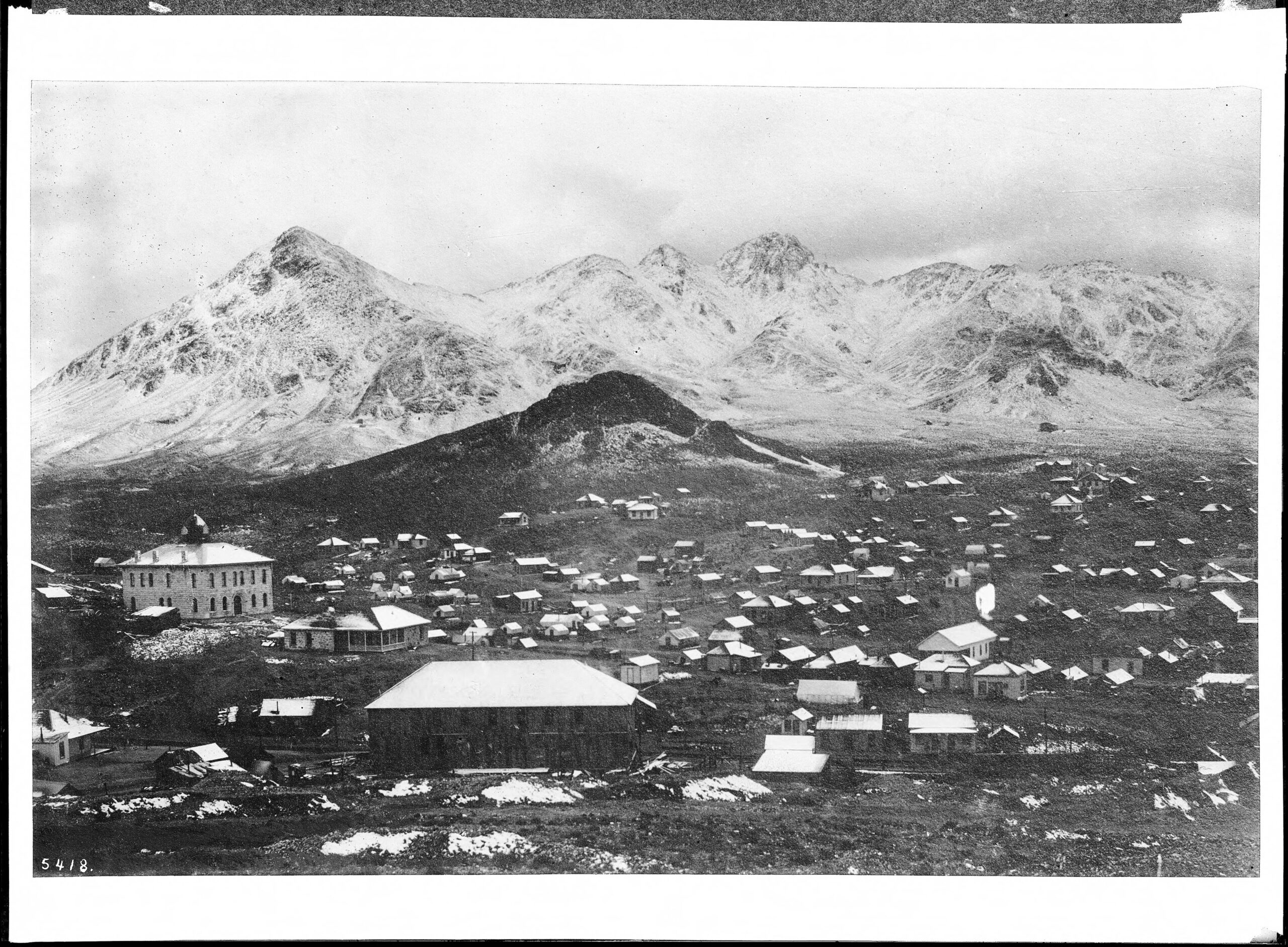
Nevada City is a gold camp in Alder Gulch, about a mile and a half west of Virginia City in southwest Montana. Miners settled it in June 1863, a few days after the strike that started the gulch’s rush, and that December the camp held the open-air trial and hanging of George Ives, the event that set off the Montana vigilantes. The town faded within a few years, and gold dredges dug up nearly all of it between 1898 and 1922, leaving only about a dozen original buildings. Beginning in 1958 and 1959, Charles and Sue Bovey moved nearly 100 old buildings from around Montana onto the site and turned it into an open-air museum, which the state bought in 1997. What you walk through today is a real gold-rush townsite, but most of the town on it was built somewhere else.
Six prospectors and a pan of gold
On May 26, 1863, six men camped on a small creek lined with alder brush: Bill Fairweather, Henry Edgar, Barney Hughes, Thomas Cover, Henry Rodgers and Bill Sweeney. They were on their way back to Bannack after a failed prospecting trip toward the Yellowstone country. Fairweather dug some gravel, Edgar washed it, and the first pan held about $2.40 in gold. The men staked claims, went to Bannack for supplies and could not keep the find quiet.
The stampede reached the gulch in early June, and Nevada City was occupied by June 6, 1863. Within months the creek held a nearly unbroken string of camps, Virginia City, Nevada City, Junction, Adobetown, Highland, Pine Grove and others, that miners called Fourteen-Mile City. More than 10,000 people were in the gulch by most estimates. Nevada City itself held about 1,000 in 1864, according to one study of the town, and on February 9, 1865, it became the first incorporated town in Alder Gulch. A historical marker at the site says a teacher named Kate Dunlap may have opened Montana’s first school here in 1863.
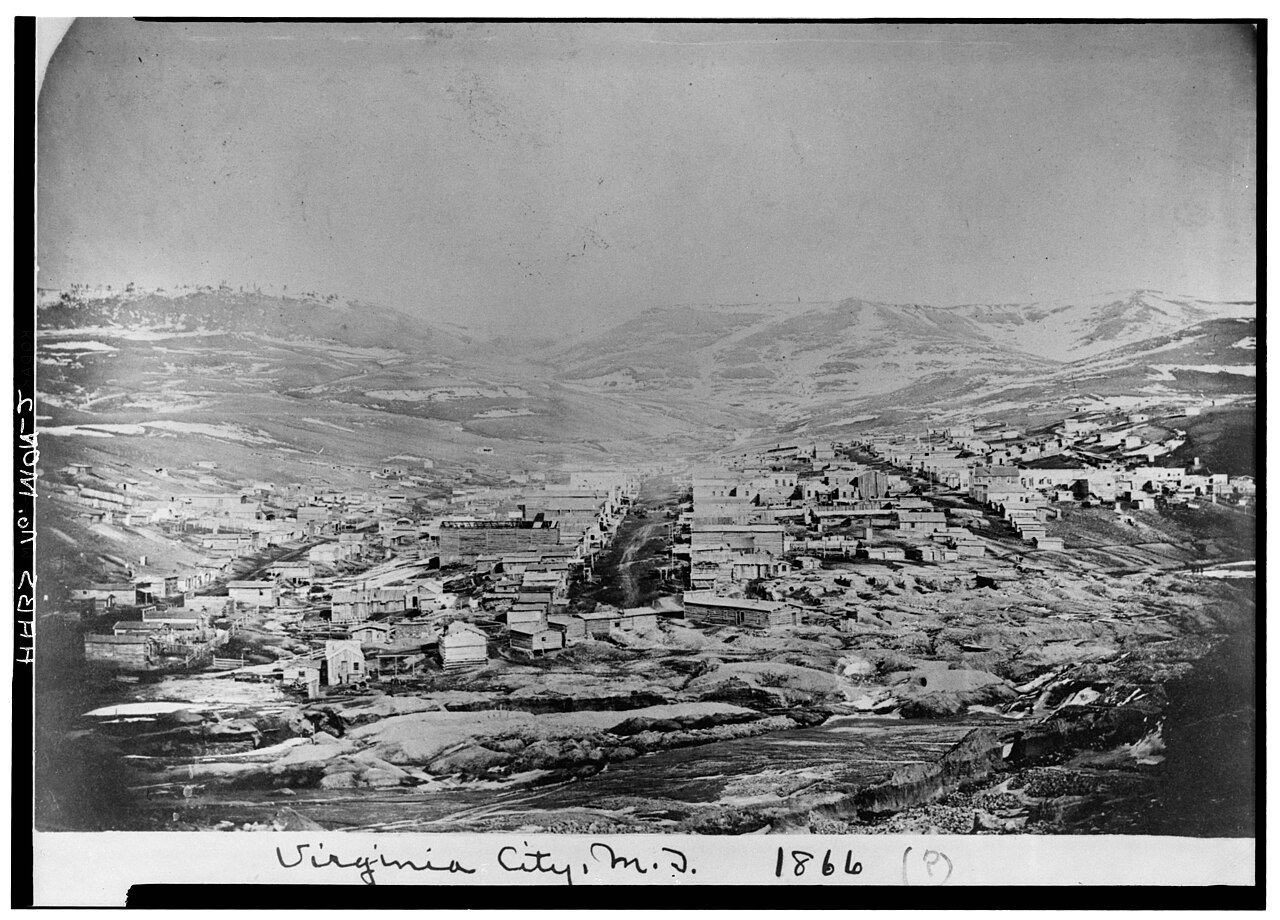
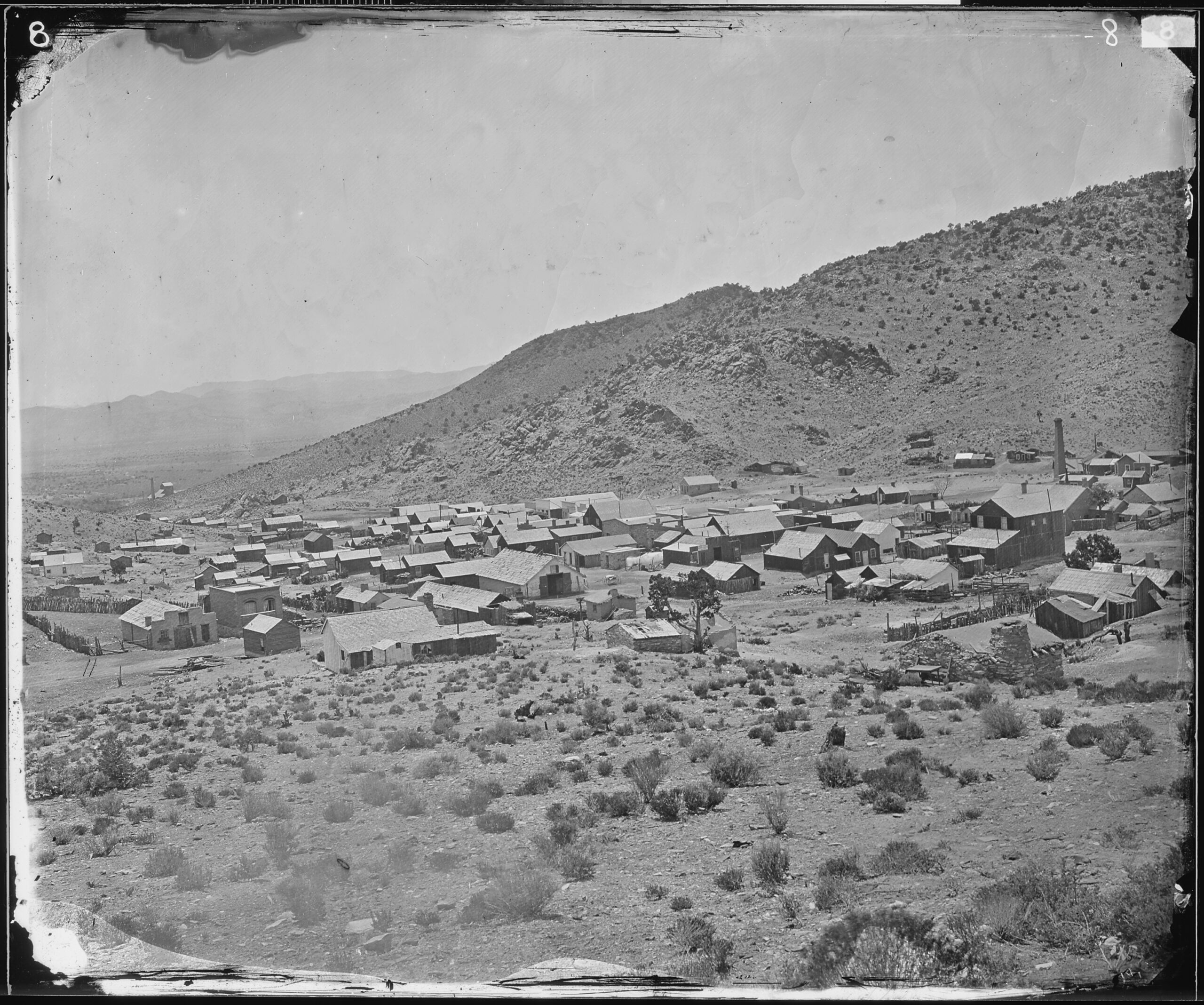
Virginia City, just up the gulch, quickly became the business center, and in 1865 it became the territorial capital. Nevada City stayed a working camp of miners, cabins and saloons strung along the creek.
The trial of George Ives
In December 1863 a young German immigrant named Nicholas Tbalt was found shot dead in the Stinkingwater Valley, west of the gulch. He had gone out to fetch a pair of mules, and the mules were gone. A posse of Alder Gulch men rode out, and suspicion settled on George Ives, a young man many in the gulch already suspected of robbery. They brought him to Nevada City.
From December 19 to 21, 1863, Ives was tried in the open on Nevada City’s main street, before a large crowd of miners. A young Bannack lawyer, Wilbur Fisk Sanders, led the prosecution. A jury of 24 men heard the case and the whole crowd voted on the verdict. Ives was found guilty on the afternoon of December 21 and hanged that evening from the beam of an unfinished building, near the spot where he was tried.
Two days later, on December 23, five men met in Virginia City and formed the Vigilance Committee of Alder Gulch: Sanders, Paris Pfouts, who became its president, John Nye, Alvin W. Brockie and Nick D. Wall. Over the next six weeks the vigilantes hanged about 21 men across the region, including Henry Plummer, the elected sheriff at Bannack, on January 10, 1864.
A fast decline
The rich, shallow gravel did not last. New strikes pulled miners away, especially Last Chance Gulch, the future Helena, in 1864, and Nevada City shrank year by year as Virginia City kept the gulch’s trade. One study puts the town at about 100 people by 1869. The 1880 census found 50 people living in 16 dwellings in the "village of Nevada."
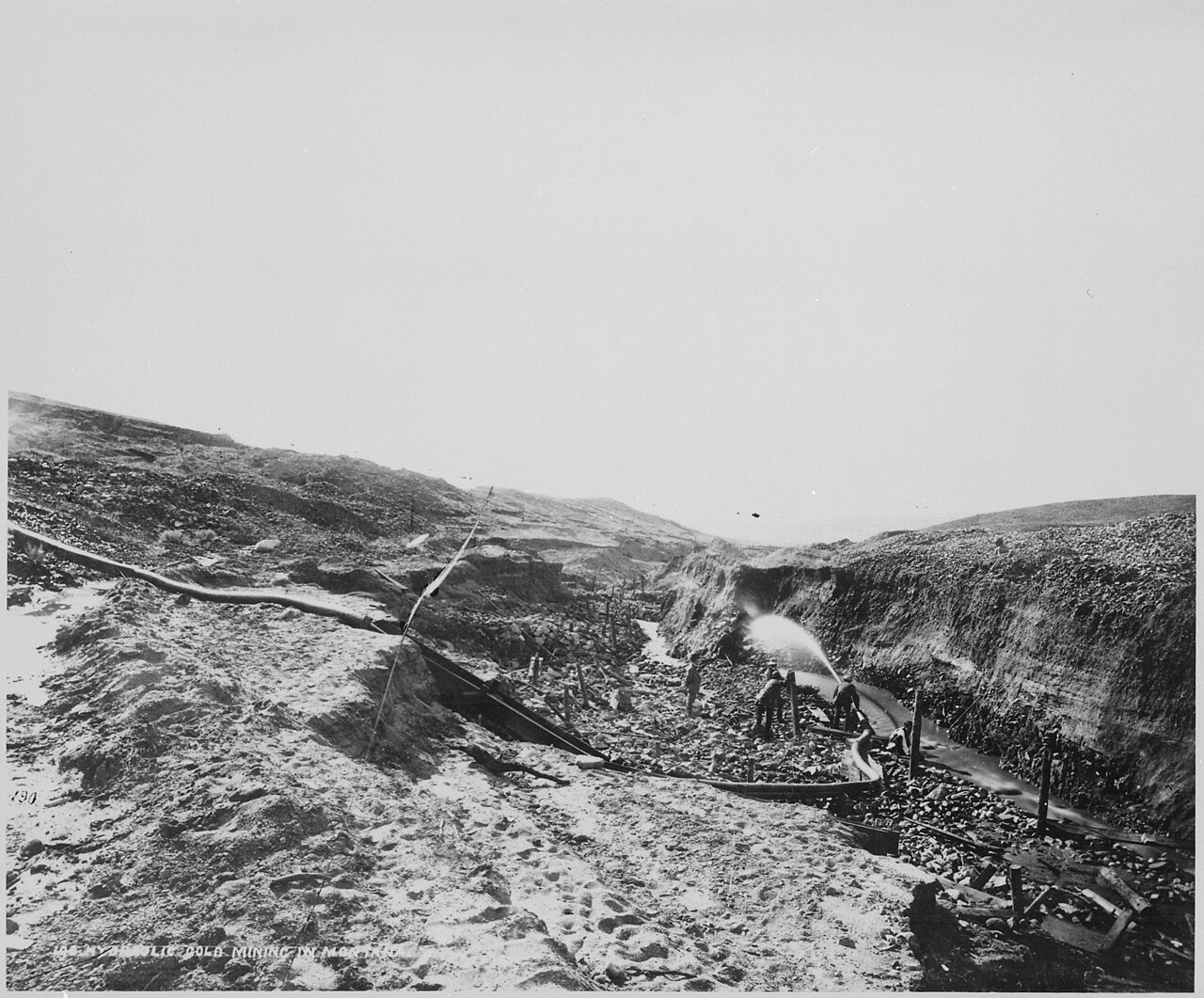
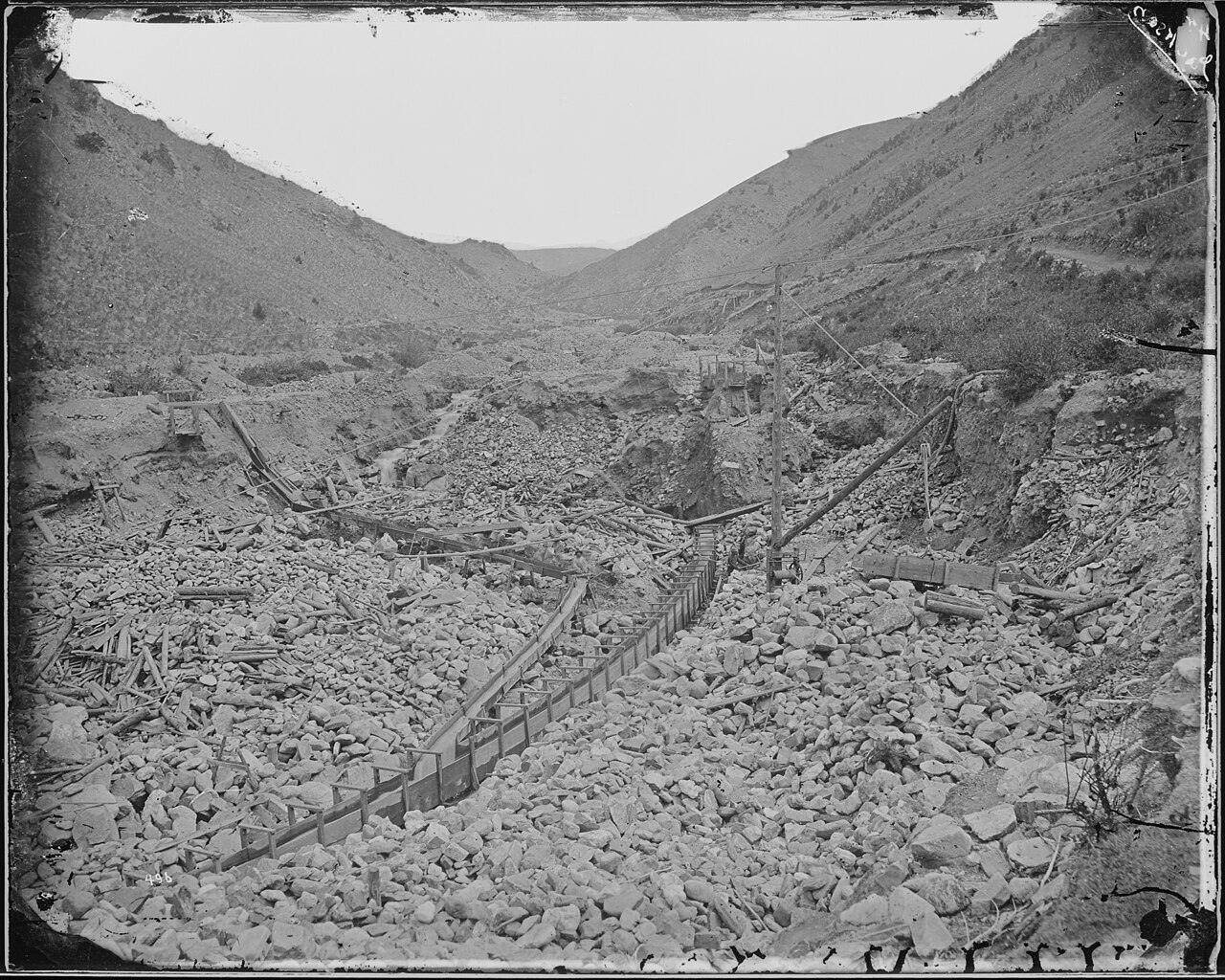
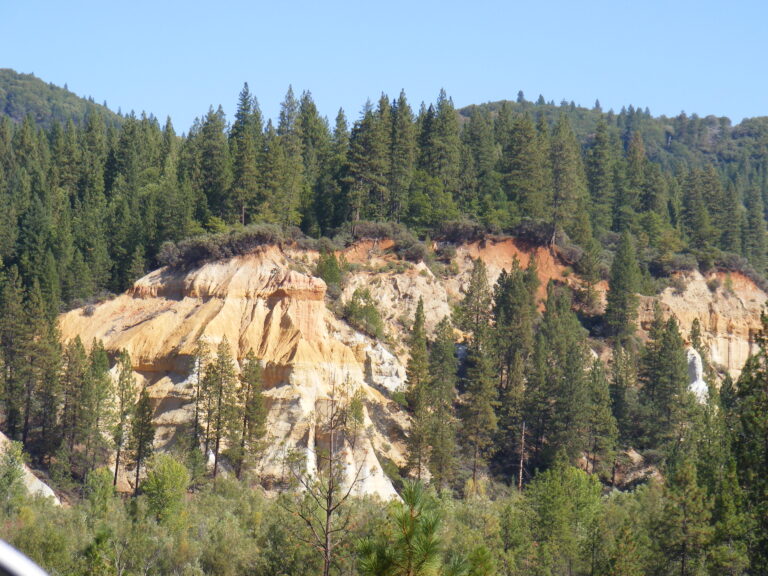
The miners who stayed worked the gulch with water. Hydraulic mining arrived in 1867: ditches and flumes fed hoses that washed whole gravel banks through sluice boxes, and photographer William Henry Jackson recorded the torn-up gulch on the Hayden survey in the early 1870s. Chinese miners bought many of the worked-over claims and kept recovering gold from them for years; according to the Montana Heritage Commission, about a third of Virginia City’s residents in 1870 were Chinese.
The dredges
The last blow came from big money. The Conrey Placer Mining Company, organized in 1896, put floating gold dredges into the lower gulch from about 1898 to 1922. Each dredge dug its own pond, scooped gravel off the bedrock and dropped the waste behind it in long, curving piles. By 1912 the company owned nearly all of the gulch from Nevada City down to Alder.
The dredges ate the old town. The part of Nevada City west of today’s highway was dug up and buried under tailings. The Finney family, who still lived in the east part of town, refused to sell, and that is the main reason anything original survived. Today about a dozen buildings from the 1860s remain, among them the Finney House, whose kitchen dates from 1863, and the Dr. Byam House. The rock piles that the dredges left still line the gulch between Nevada City and Alder.
Charles and Sue Bovey’s building zoo
Charles A. Bovey, a Great Falls rancher and state legislator, first visited Virginia City with his wife, Sue Ford Bovey, in the fall of 1944. The couple spent the next three decades buying and restoring its old buildings. Bovey was also a collector. Since 1941 he had shown a street of old Montana buildings, called Old Town, inside a livestock pavilion at the Great Falls fairgrounds, and in the late 1950s the fair asked him to take it away.
Cora Finney died in May 1958, and the Boveys bought about 10 acres of the old townsite, including the Finney property. Starting in 1958 and 1959 they moved buildings in by truck from all over the state, both the Great Falls collection and threatened buildings they saved from ghost towns and small towns. By most counts nearly 100 buildings were moved. A few of their origins:
The schoolhouse was built in Twin Bridges in 1867, used there until 1873 and moved here in 1960. The Music Hall started life as the recreation hall at Canyon Lodge in Yellowstone. The Emporium came from Dillon, Sullivan’s Saddlery from Fort Benton and the barbershop from Elkhorn. The seven buildings of the museum’s Chinatown were gathered from around Madison County.
Preservationists have argued about the result ever since. Historian Carroll Van West calls Nevada City one of Montana’s first "building zoos," and the state’s historic preservation office has ruled 116 of its properties ineligible for the National Register because they were moved and no longer stand where they were built. Only the Finney House and the Dr. Byam House, both original to the site, were listed in 2002. The Boveys’ own work is now old enough to be history in its own right, and the Montana Heritage Commission has noted that it deserves study as an early experiment in saving buildings.
The state steps in
After Charles and Sue Bovey died, their son Ford inherited both towns. Keeping them open cost more than the family could carry. In 1997 the Montana Legislature voted to buy the properties for $6.5 million, $5 million for the collections and $1.5 million for the land and buildings, and created the Montana Heritage Preservation and Development Commission to run them. The state got all of Nevada City and much of Virginia City, close to 250 buildings and more than 100 acres. The commission says it cares for more than a million artifacts.
The Music Hall and the Shortline
The Music Hall holds the Boveys’ collection of more than 100 music and arcade machines: player pianos, orchestrions, band organs and coin-operated games. The Montana Heritage Commission calls it the largest publicly owned and publicly displayed collection of its kind in the United States, and regional tourism sites go further and call it the largest in North America.
Bovey also built the Alder Gulch Shortline Railroad in 1964, a 30-inch narrow-gauge line about 1.5 miles long between Nevada City and Virginia City. No railroad ever ran between the two towns in the mining days; a branch line reached Alder in 1901 but stopped there, short of the dredging ground. A gasoline-powered work train dressed up with a decorative boiler has carried riders since the 1970s. Engine No. 12, a 1910 Baldwin steam locomotive, was restored and pulled trains from 1999 to 2010, and it now sits in the Nevada City train barn.
The town also works as a film set. According to Montana’s tourism sites, scenes for The Missouri Breaks (1976) and Return to Lonesome Dove (1993) were shot here, and Little Big Man (1970) filmed in the area.
Ghost stories
Commercial lists of haunted places include Nevada City, and Virginia City runs ghost walks on summer evenings. These stories belong to modern folklore and tourism. No record from the 1800s backs up any haunting, and most of the buildings people tell ghost stories about were standing somewhere else when their history happened.
Timeline
Historic sites nearby
Further reading
Sources
Montana Heritage Commission — Nevada City Museum and Music Hall, Train rides and schedule, Mining history, Area history and 2024 report to the Legislature
Feider — Boomtown to Outdoor Museum: An Examination of Nevada City; University of Montana — Montanan magazine, fall 2000; HMdb — Twin Bridges schoolhouse marker
Daily Montanan — the vigilantes, 160 years on (December 21, 2023); Montana Kids — The trial of George Ives; Montana Historic Landscape — Carroll Van West on Nevada City
Wikipedia — Nevada City, Montana, Alder Gulch and Montana Vigilantes; U.S. Geological Survey — Bulletin 574
Photos: Tumbleweed1954, Nevada City from the highway, CC BY-SA 4.0; Historic American Buildings Survey, Virginia City, 1866, public domain; William Henry Jackson, National Archives, hydraulic mining, 1871 and sluices in Alder Gulch, public domain; via Wikimedia Commons
One Comment